

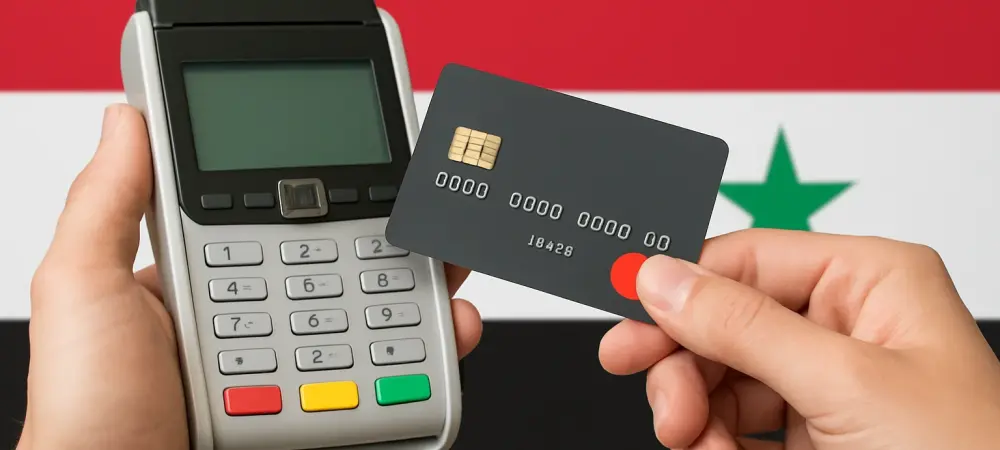
In a world where digital transactions are increasingly becoming the backbone of global economies, a groundbreaking development has emerged from an unexpected corner of the globe. Syria, a nation long grappling with economic challenges and infrastructural setbacks, has taken a bold step toward financial modernization through a landmark memorandum of understanding (MoU) with Mastercard. This partnership, forged with the Central Bank of Syria, aims to lay the foundation for a national digital payments ecosystem. It signals not just a technological upgrade but a transformative shift that could redefine access to financial services for millions of Syrians. By prioritizing innovation and inclusion, this collaboration stands as a beacon of hope for economic empowerment in a region eager to rebuild and reconnect with the global market. The implications of this alliance stretch far beyond mere transactions, promising to reshape daily life and business operations in profound ways.
Building a Digital Financial Future
Laying the Groundwork for Innovation
The essence of the MoU between Mastercard and the Central Bank of Syria revolves around creating a robust framework for digital payments that aligns with international standards. This initiative is not merely about introducing new technology but about fundamentally transforming how financial services are accessed and utilized across the nation. A key component involves integrating local banks and financial institutions into a cohesive system that supports seamless transactions. This step is critical for ensuring that both urban and rural populations can benefit from modern payment solutions. Moreover, the partnership emphasizes adherence to global best practices, which will help in building trust and reliability in the system. By focusing on interoperability among various financial entities, the collaboration seeks to eliminate barriers that have historically hindered economic participation for many Syrians, paving the way for a more connected and efficient financial landscape that can support growth and stability in the long term.
Fostering Expertise Through Collaboration
Another pivotal aspect of this partnership is the commitment to knowledge transfer and capacity building within Syria’s financial sector. Through dedicated training programs and technical exchanges, Mastercard aims to equip local professionals with the skills needed to manage and innovate within a digital payments ecosystem. This focus on education is designed to create a sustainable foundation where local expertise can drive future advancements without constant external dependency. The transfer of know-how is expected to cover a wide range of topics, from cybersecurity measures to the implementation of cutting-edge payment technologies. Such efforts are vital for ensuring that the infrastructure being developed is not only modern but also resilient against potential challenges. By investing in human capital, this collaboration underscores a long-term vision of empowering Syrians to take ownership of their financial future, fostering a sense of agency and resilience in a sector poised for significant evolution.
Driving Economic Inclusion and Global Connectivity
Empowering Communities Through Financial Access
One of the most transformative promises of this alliance lies in its potential to enhance financial inclusion across diverse segments of Syrian society. For many individuals and small businesses, access to reliable financial services has been a persistent challenge, often limiting economic opportunities and growth. The digital payments ecosystem envisioned by Mastercard and the Central Bank of Syria aims to bridge this gap by offering accessible, user-friendly solutions tailored to local needs. This initiative could enable countless citizens to participate in the formal economy, from making everyday purchases to securing loans for entrepreneurial ventures. Stakeholders have highlighted how such access can catalyze economic empowerment, particularly for underserved communities. By reducing reliance on cash-based transactions, the system also promises to enhance security and convenience, fundamentally altering how financial interactions are conducted in daily life across the country.
Connecting Syria to the Global Payments Network
Beyond local impact, the partnership holds the potential to position Syria within the broader global financial network, a move that could redefine its economic standing on the world stage. Mastercard’s expertise in international payments offers a pathway for creating systems that serve not only domestic users but also international travelers and businesses engaging with Syria. This aspect of the collaboration was a focal point in discussions by key figures from both sides, who emphasized the importance of building a payments infrastructure that meets global standards. Such connectivity is expected to facilitate trade, tourism, and investment, opening doors that have long been closed due to economic isolation. While the MoU marks just the beginning, subsequent steps like joint initiatives and technical workshops were planned to ensure steady progress. Reflecting on these efforts, it’s clear that the groundwork laid through this alliance aims to integrate Syria into a worldwide financial framework, offering a glimpse of renewed economic possibilities.