

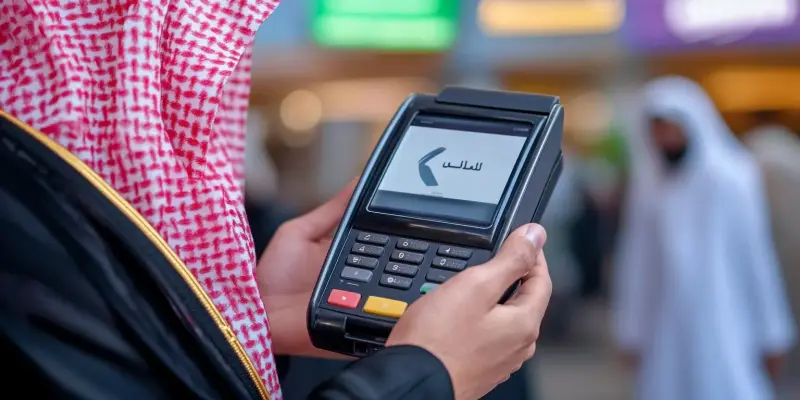
In a significant move towards modernizing Saudi Arabia’s financial infrastructure, Mastercard has joined forces with Jeel, a subsidiary of Riyad Bank, to revolutionize digital payments in the Kingdom. This strategic partnership aims to leverage advanced technologies, including artificial intelligence, to provide innovative solutions for the nation’s non-banking financial institutions (NBFI) market. By integrating Mastercard’s cutting-edge offerings such as Card-as-a-Service (CaaS) and Bank-as-a-Fintech (BaaF) propositions, the collaboration intends to drive the digital economy forward, benefiting both consumers and fintech companies alike.
Jeel’s CEO, George Harrak, expressed enthusiasm about this collaboration, highlighting the potential to empower new market segments with Mastercard’s wide array of services. These services will not only be diverse but also flexible, available through various pricing models including pay-as-you-grow subscriptions. The introduction of such dynamic financial services is expected to facilitate seamless access to Mastercard’s state-of-the-art technology, allowing NBFIs to enhance their offerings and better serve their customers while adapting to the rapidly changing digital landscape.
Gaurang Shah, Executive Vice President of Product and Engineering at Mastercard, emphasized the company’s dedication to advancing the digital economy in Saudi Arabia. According to Shah, the collaboration aims to develop responsive platforms specifically tailored to meet the evolving needs of consumers. By addressing challenges related to BIN sponsorship and providing access to Mastercard’s digital issuing assets, this partnership seeks to offer fintech companies a quicker route to market entry. This initiative not only broadens the range of digital financial products available to consumers but also strengthens the overall financial ecosystem in the country.
The partnership between Mastercard and Jeel is expected to yield substantial benefits for various stakeholders across Saudi Arabia’s financial sector. By delivering innovative products efficiently, the collaboration will foster technological advancements and drive the adoption of digital payments, contributing to the Kingdom’s broader vision of economic diversification and growth. As Saudi Arabia continues to embrace digital transformation, the combined efforts of Mastercard and Jeel will play a crucial role in shaping a more inclusive and technologically advanced financial landscape.