

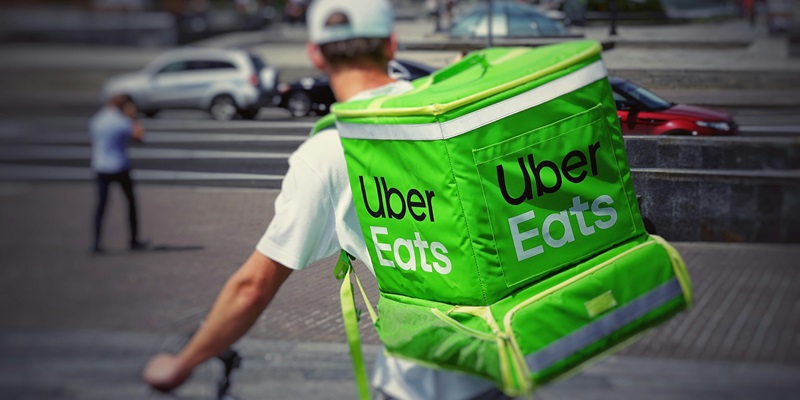
Building on a successful collaboration in the United States, Marqeta and Uber Eats are taking a significant step forward in their global partnership by extending their innovative card program. Initially focused on streamlining payments for Uber Eats’ delivery partners in the U.S., the expansion marks a pivotal stride into eight new markets which include Canada, Australia, Mexico, Brazil, Colombia, Peru, Chile, and Costa Rica. This growth underscores both companies’ commitment to investing in state-of-the-art payment solutions that are designed to enhance user experience across an international stage.
This strategic move taps into Marqeta’s powerful platform capabilities that support the rapid launch of card products across diverse markets through a single, unified integration. It paves the way for a seamless time-to-market process for Uber Eats as it continues to explore new territories and broaden its service offerings. The partnership also exemplifies how companies can leverage technology to address the complexities of scaling operations globally, providing a robust framework for business development and consumer engagement no matter the geographical constraints.
Facilitating a Seamless Global Expansion
The expanded partnership aligns with Marqeta’s global scalability mission, offering companies like Uber Eats the digital payment tools essential for adapting to diverse market demands. Marqeta’s innovative platform facilitates the introduction of digital payment infrastructures tailored to the specific needs of each region. By leveraging this technology, Uber Eats can not only expand its operational footprint but also empower its couriers, enhancing their ability to earn and providing them with greater flexibility and control over their finances.
This collaboration is not merely about extending geographic reach; it’s about embedding functionality that enables greater earning potentials for individuals and streamlining processes for merchants. The adoption of Marqeta’s payment infrastructure by Uber Eats in these new markets contributes to establishing a more inclusive financial ecosystem. It directly aligns with Uber’s strategic vision to integrate sophisticated payment solutions that advance its platform, benefiting all stakeholders from couriers to merchants, and ultimately the end consumers.
A Testament to Global Payment Innovation
Marqeta and Uber Eats are deepening their alliance by launching an advanced card program beyond the U.S. to boost payment processes for Uber Eats delivery partners. The program now reaches eight additional markets: Canada, Australia, Mexico, Brazil, Colombia, Peru, Chile, and Costa Rica. This move highlights both companies’ dedication to integrating cutting-edge payment technologies for an improved global user experience.
Leveraging Marqeta’s robust platform, this extension allows smooth deployment of card services through one integral system, streamlining Uber Eats’ international market penetration. This showcases the potential of utilizing tech to solve the challenges of global expansion and underscores a commitment to enhancing operations and user engagement, regardless of location. This strategy not only expedites Uber Eats’ growth but also demonstrates a model of scalable business development through technological innovation.