

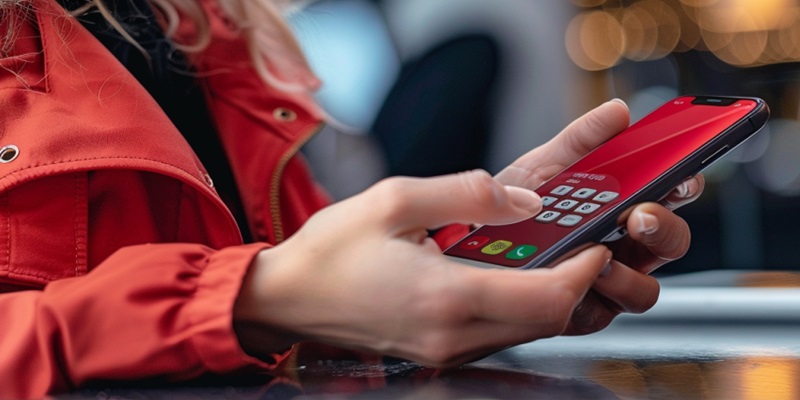
Contactless payments have been advancing rapidly, and Worldpay has initiated a transformative step with its latest offering, Tap to Pay on iPhone. This service allows merchants to accept payments using the device that has become almost an extension of ourselves – the iPhone. This leap forward is in alignment with Worldpay’s foresight in the fintech industry, recognizing the inevitable shift towards a digital-centric society. The decrepit image of clunky cash registers is fading away, and in its place rises a sleek, secure, and convenient payment solution that harnesses the ubiquitous presence of Apple’s flagship devices.
The Future of Transactions: A Digital Wallet Dominance
The Rise of Digital Wallets and Contactless Payments
Worldpay’s 2024 Global Payments Report unveils a groundbreaking prediction: by 2027, a stunning majority of point-of-sale transactions – 86%, to be exact – will be processed either through digital wallets or card payments. This estimation is not merely speculative; it mirrors the current trajectory of consumer habits and tech adoption rates globally. The introduction of Tap to Pay on iPhone is perfectly timed to ride this wave, offering a tactile example of how the payment ecosystem is reshaping itself around the predilections of the modern consumer.
The convenience of digital wallets is not lost on today’s fast-paced societies. The ability to pay with a device that doubles as a phone, a personal assistant, and a gateway to the world’s information is a testament to the efficiency that is now demanded in all facets of life. Worldpay’s innovative service seizes upon this trend, allowing merchants to meet their customers in this digital realm where interactions are becoming increasingly seamless.
Unprecedented Growth in Contactless Payment Acceptance
As contactless payment methods proliferate, it’s apparent that consumers and merchants alike seek expediency without sacrificing security. Worldpay’s Tap to Pay on iPhone caters to this demand by facilitating transactions that are as swift as a tap from a card or a phone. The technology ensures that merchants can accept payments anywhere, be it roadside markets or high-end boutiques, without the traditional barriers such as hardware costs or complex setup procedures that once stifled the mobility and adaptability of small businesses.
The marked growth in the acceptance of contactless payment methods isn’t merely a convenience; it’s an evolving standard that consumers are starting to expect as part of their shopping experience. Merchants who adopt Tap to Pay on iPhone signal to their customers a commitment to modernity and customer service – they are a business that values the present and embraces the future of transactions.
A Turnkey Solution for Today’s Businesses
Transforming iPhones into POS Systems
Decluttering retail space and simplifying transactions, Worldpay’s innovation effectively turns the familiar iPhone into a dynamic point-of-sale system. Gone are the days when additional hardware signified a serious operation. Today, with Tap to Pay on iPhone, businesses can streamline their operations, eliminating extraneous devices and focusing more on what matters – customer interaction and sales.
For small and mobile businesses, this is especially groundbreaking. Entrepreneurs on the move, like those providing in-home services or pop-up shops, can now accommodate customers’ payment preferences without the cumbersome setup of traditional POS terminals. This development is user-friendly; integrating Tap to Pay on iPhone into their existing payment systems is hardly an ordeal compared to the hassle and expense of traditional hardware-centric models.
Minimal Development and Easy Integration
In the realm of fintech, Worldpay is leading the charge with its innovative ‘Tap to Pay on iPhone’ service. This new feature enables merchants to process payments directly through their iPhones, signifying a major leap forward in convenience and efficiency. Gone are the days of bulky registers, as this modern solution leverages the widespread popularity of Apple’s smartphones to offer a streamlined and secure transaction experience.