

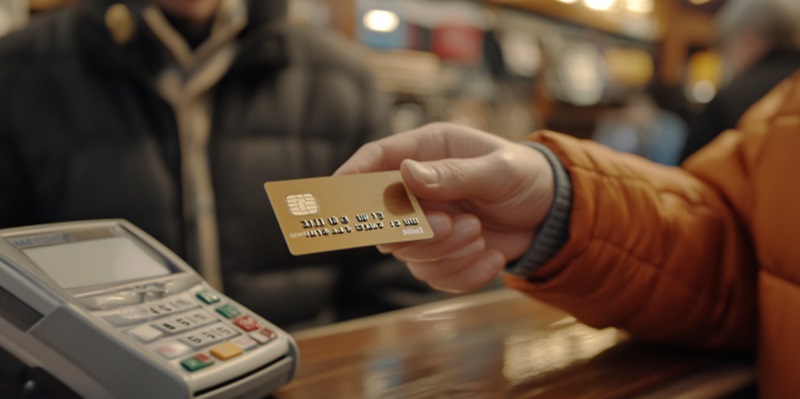
In an era where security concerns are escalating across the globe, Zwipe, a renowned global entity specializing in biometric authentication technology for access control, identification, and payment solutions, has taken a significant stride forward. The company recently announced that a leading international luxury and fashion retailer is evaluating its advanced biometric access cards. This evaluation marks a pivotal moment for potentially integrating Zwipe’s state-of-the-art technology within the luxury retailer’s worldwide operations, aiming to fortify security measures significantly.
Zwipe, listed on the Oslo and Stockholm stock exchanges, is widely recognized for its commitment to developing secure and innovative solutions that prioritize data privacy and user convenience. The company’s biometric access cards stand out in the market due to their robust security features, including card-based dual-authentication. By ensuring that only authorized users can activate the card using their fingerprint, these biometric cards provide a method of access control that securely contains sensitive credentials. Only the legitimate cardholder can access these credentials, making it nearly impossible for unauthorized individuals to breach security.
Robert Puskaric, President and CEO of Zwipe, underscored the critical importance of secure and reliable access control systems in the luxury retail sector. He pointed out the necessity of protecting both individuals and facilities from potential security threats. Puskaric highlighted Zwipe’s cutting-edge biometric technology as providing a secure, fast, and intuitive authentication experience tailored for access control. Expressing enthusiasm regarding the potential partnership with such a prestigious luxury retail brand, he emphasized the transformative impact this collaboration could have on enhancing global security measures in the sector.
In summary, the evaluation of Zwipe’s biometric access cards by a top luxury and fashion company underscores the escalating need for sophisticated security solutions in high-stakes sectors. This move signifies a broader industry trend towards leveraging advanced biometric technologies to protect sensitive credentials and ensure that only authorized individuals gain access to critical areas. As the luxury retailer continues its evaluation, the potential implementation of Zwipe’s technology could set new standards for security across the industry.