

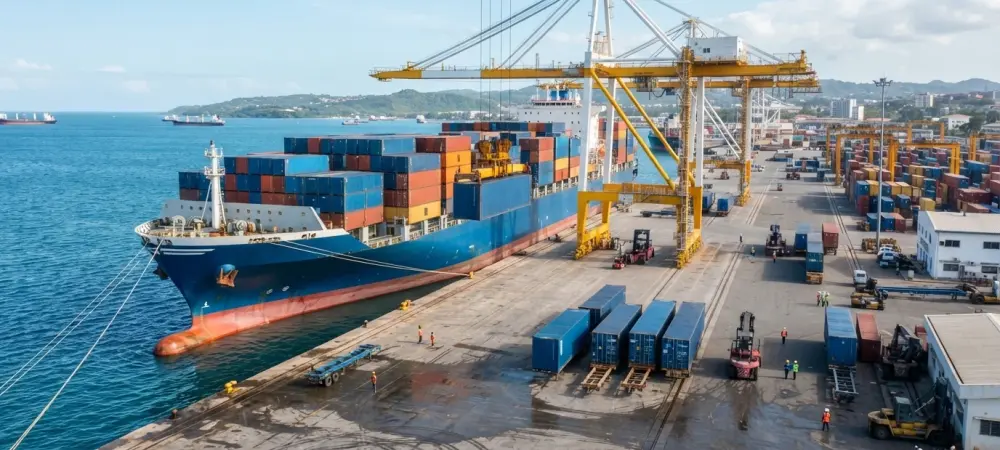
While personal effects for returning residents remain exempt, business stock imported by retailers is subject to the full rigors of the new digital marine insurance enforcement protocols. As of November 1, 2026, the Kenya Revenue Authority (KRA) has fundamentally altered the logistics landscape by mandating that all marine cargo insurance data be transmitted electronically through integrated systems. This transition implies that the traditional reliance on physical certificates has effectively vanished, replaced by a streamlined digital handshake between the Insurance Regulatory Authority and the KRA’s Integrated Customs Management System, known as iCMS. For any electronics importer or local shop owner, the immediate necessity is ensuring that their insurance records reach customs before a declaration is even lodged. The move aims to curb revenue leakage and ensure that all imported goods are covered by locally licensed underwriters, thereby supporting the domestic industry while modernizing port clearance workflows for greater global efficiency.
1. The Initial Steps: Opening Shipment and Payment
To successfully navigate this new digital landscape, importers must adhere to a strict sequence of actions that begins long before the cargo hits the docks. The process initiates when the importer or their authorized clearing agent accesses the specific shipment’s Import Declaration Form (IDF) through a portal that is directly linked to the Insurance Regulatory Authority’s platform. This is usually achieved via the insurance provider’s own digital interface. Once the IDF is retrieved, the user is required to meticulously fill in the mandatory certificate fields, ensuring every detail aligns with the physical consignment. Following this, the insurance premium must be paid through approved channels. This payment is not merely a financial transaction but a digital trigger that prepares the system for data synchronization. Without this initial step being completed accurately, the entire clearance process remains stalled, as the system will not recognize the existence of a valid policy for the incoming goods.
2. The Digital Handshake: Transmission and Verification
After the information is submitted and the premium is confirmed, the system enters the critical data transmission phase. The digital certificate is automatically uploaded to the IRA’s centralized platform, which acts as a bridge to forward the record to the KRA’s iCMS. Importers must then wait for a formal notification indicating that the digitization was successful. This confirmation is the heartbeat of the modern clearance process; it signifies that the iCMS now holds an electronic duplicate of the insurance policy, which is a prerequisite for any further customs processing. Verification of this receipt is paramount because any discrepancy between the IDF and the insurance record will lead to an immediate block by the system. Importers are encouraged to treat the digital notification as their most valuable clearance asset. Ensuring this confirmation exists in the iCMS allows the cargo to flow through the remaining customs checkpoints without the friction of manual interventions or physical audits.
3. Essential Guidelines: Coordinating with Professionals
To prevent costly bottlenecks at the port, importers should prioritize coordination with clearing agents to verify that every digital certificate precisely matches the specific shipment details. Maintaining a unified record of the IDF number, insurance certificate, and payment receipt is now essential for tracing transactions through the system. Furthermore, those utilizing freight forwarders must clarify exactly who is responsible for buying the insurance and who will monitor its receipt in the iCMS, as a simple delivery quote does not guarantee compliance. It is also vital to confirm that insurance is purchased from a domestic insurer licensed by the IRA to meet legal standards. By establishing these roles clearly and keeping meticulous records, importers ensure that their cargo moves smoothly through the automated system. This proactive approach significantly reduces the risk of administrative errors that could lead to costly delays, ensuring that all parties in the supply chain are aligned with the KRA’s strict digital requirements.
4. Troubleshooting Failure: Resolving Transmission Gaps
In instances where the digital record does not appear in the customs system despite a completed transaction, the situation must be addressed immediately as a primary barrier to clearance. Importers should not wait for the goods to arrive at the port before checking the status of their digital files. If a record is missing, the first step is to contact the insurance provider or the portal administrator to track the digital file’s path. Having the exact transaction reference and any error messages encountered during the upload process is vital for the technical support teams to pinpoint where the failure occurred—whether it was during the initial payment, the certificate issuance, or the final transmission to the iCMS. This level of proactive troubleshooting is the only way to resolve technical discrepancies in a system that offers no manual workarounds. The digital nature of the enforcement means that if the data is not visible to the KRA, the shipment essentially does not exist for clearance purposes.
5. Strategic Management: Handling Exemptions and Transit
Regarding shipments already in transit and the application of legal exemptions, the transition required clear verification to avoid delays. For goods at sea, importers successfully cleared their cargo by confirming with the KRA whether departure dates granted any reprieve from the new digital protocols. Similarly, while exemptions existed for the personal effects of returning residents, commercial importers were reminded that business stock for retail never qualified for such waivers. Success in this new era was achieved by those who built a robust verification step into every shipping instruction, confirming digital transmission before goods even left the port of origin. They transitioned away from foreign underwriters and established deep technical integration with local, IRA-licensed insurers. Moving forward, the most effective strategy involved a total digital audit of the supply chain, ensuring that every partner understood that the electronic insurance record had become the most critical document in the customs process.