

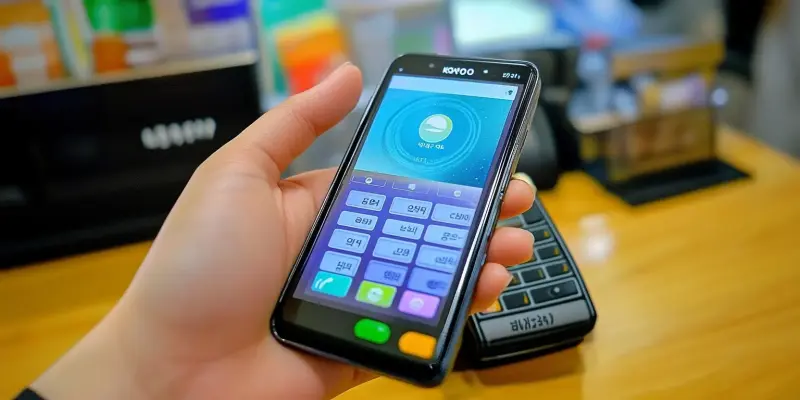
Kakao Pay, a renowned player in the online payment industry, has strategically ventured into offline payments, marking a pivotal shift in its operational focus. In 2024, the company noted an impressive 125% increase in offline payment usage compared to the previous year. The uptick wasn’t limited to a single quarter; both the number of transactions and users witnessed growth of 33% and 18%, respectively. Notably, the fourth quarter recorded a substantial surge in usage, particularly in convenience stores and retail distribution sectors, leading to a 138% increase year-on-year. This growth can be attributed to the company’s innovative approach and strategic partnerships, reflecting Kakao Pay’s successful entry into the offline payment domain.
Strategic Partnerships and Expanding Offline Presence
The growth driven by Kakao Pay’s expansion into offline payments can be attributed to its strategic partnerships, notably with Samsung Pay and Zero Pay. These alliances have significantly broadened the range of offline locations accepting Kakao Pay, adding about 3 million new destinations and some 1.1 million Zero Pay-affiliated merchants. As a result, by the fourth quarter last year, domestic affiliates hit 1.13 million, a significant 14% increase from the previous year. This included numerous new partners in the restaurant industry and the addition of 68,000 new merchants following the acquisition of a payment service company for academies and hospitals.
Such extensive growth in the number of merchants accepting Kakao Pay underscores the platform’s increased versatility and acceptance. The new partners have not only boosted the number of transactions but also diversified the types of services that users can pay for using Kakao Pay. This variety has enhanced customer convenience, making Kakao Pay a more attractive and widely accepted payment option for consumers. Additionally, Kakao Pay’s attempts to reach different sectors by integrating with essential services such as hospitals and educational institutions further solidify its foothold in the offline market.
Prepaid Recharge Market Dominance
Kakao Pay is not just making waves in offline payments; its dominance in the prepaid recharge market is also noteworthy. The proportion of payments made using Kakao Pay money has surged to the late 50% range, and it boasts the largest prepaid recharge balance among fintech companies. By December last year, the balance stood at an impressive 583.5 billion won, a 12% increase from the previous year. This significantly outstrips the balances held by major competitors Naver Pay and Viva Republic’s Toss Pay, which reported balances of 155.3 billion won and 126.6 billion won, respectively.
The size of this prepaid recharge balance reflects Kakao Pay’s loyal customer base. Users are more inclined to reuse the service if they have leftover balances, indicating growing trust and dependency on the platform. Despite the option to remit unused balances back to their accounts, the increasing number of users retaining these balances suggests a heightened level of customer loyalty and confidence in Kakao Pay. This aspect of the business not only demonstrates the platform’s current success but also points to the potential for sustained growth as more users opt to keep their funds within the ecosystem.
Kakao Pay’s ability to blend online expertise with offline expansion has opened new revenue channels and market opportunities, positioning Kakao Pay as a versatile player in the digital and physical payment landscapes.