

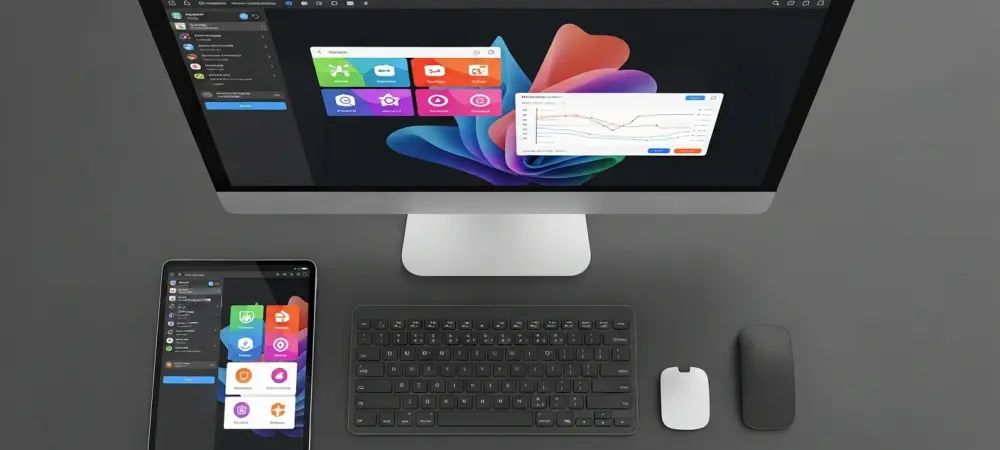
The persistent tension between visual modernism and functional utility has become a defining characteristic of the modern operating system landscape as users navigate increasingly complex digital environments. While the introduction of the Fluent Design System and the Mica material effect brought a much-needed aesthetic refresh to the aging desktop environment, many professionals found that these layers of polish often obscured or even removed granular controls essential for high-velocity workflows. Statistics from recent user satisfaction surveys indicate that while first-time users appreciate the simplified, tablet-friendly aesthetic, long-term power users frequently report a decrease in productivity due to hidden menus and the relocation of critical system tools. This shift suggests a philosophical move away from the workstation identity of the PC toward a more consumption-oriented interface. The challenge now lies in determining whether a sleek exterior can truly compensate for a perceived decline in the efficiency that defined earlier iterations.
The Evolution of Minimalism and Functional Friction
The decision to simplify the shell context menu serves as a primary example of where aesthetic goals and user efficiency frequently collide in the current ecosystem. By hiding legacy commands behind a “Show more options” button, the interface requires an additional click for tasks that were previously instantaneous, effectively adding unnecessary latency to thousands of daily interactions for developers and system administrators. Furthermore, the slow migration of features from the legacy Control Panel to the modern Settings app has resulted in a fragmented experience where users must navigate two entirely different design paradigms to manage hardware or network configurations. This architectural split suggests that the pursuit of a unified, clean look has outpaced the actual engineering required to unify the system core functionality. While the centered taskbar and rounded corners provide a cohesive visual identity, the underlying lack of customization for taskbar alignment or icon behavior continues to alienate users who rely on specific spatial layouts for cognitive efficiency.
Cultivating a Symbiotic Relationship Between Form and Function
To resolve these persistent discrepancies, a more modular approach to the user interface was necessary, allowing for a distinction between casual consumption and professional production modes. Developers focused on implementing a dynamic density feature that adjusted the spacing and complexity of UI elements based on the connected peripherals or the active software environment. Instead of forcing a simplified view on all segments, the system began to prioritize the restoration of granular taskbar controls and the native integration of advanced shell extensions without the need for secondary menus. Providing users with the ability to toggle between a streamlined view and a productivity-focused layout mitigated the friction caused by the initial design overhaul. Ultimately, the software evolution from 2026 to 2028 proved that an operating system did not have to sacrifice its heritage of power for contemporary aesthetics. Engineers realigned the development roadmap to ensure every visual update served a specific purpose, reinforcing the platform’s status as a tool for technical management.