

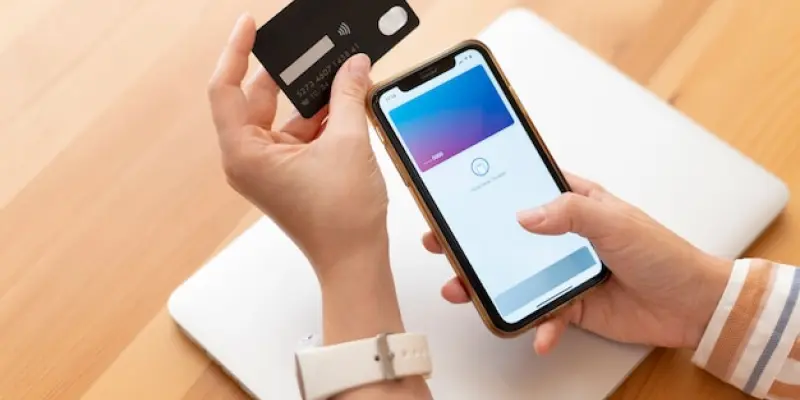
In the rapidly advancing landscape of mobile payments, Samsung’s “Tap to Transfer” feature has emerged as a notable innovation, promising to alter the way users conduct peer-to-peer transactions. Integrated within Samsung Wallet, this functionality employs Near Field Communication (NFC) technology, enabling users to transfer money by merely tapping their devices together. The introduction of Tap to Transfer in the United States marks a significant step forward, aiming to enhance the convenience and speed of digital transactions. However, this promising development is accompanied by certain limitations and challenges that may influence its adoption and long-term efficacy.
Initial Constraints and Integration Efforts
User Limitations and Compatibility Challenges
Samsung’s Tap to Transfer is primarily restricted to users with specific debit cards, namely Visa and Mastercard, issued by American financial institutions and registered with Samsung Wallet. This limitation inherently confines the feature’s accessibility, potentially impacting user adoption. However, Samsung has strategically allowed interoperability with other digital wallets, such as Google Wallet and Apple Wallet, which might expand its reach. Moreover, compatibility is restricted to devices operating on Android 12 or newer, necessitating updates for some users, thus shaping the initial user base.
The decision to incorporate service fees and transaction caps further characterizes the feature’s deployment. Although service fees are temporarily waived, each transfer is limited to $500 per transaction and daily. This structured approach presents both operational clarity and potential hurdles to users engaging in multiple or larger transactions. These constraints illustrate the balance Samsung seeks, maintaining a robust initial framework while moderating potential regulatory and logistical complexities.
Strategic Deployment and Market Positioning
Samsung’s deliberate rollout strategy underscores the company’s commitment to incremental but impactful innovation within its ecosystem. The staggered deployment of Tap to Transfer reflects both ambition and caution, allowing Samsung to manage technical challenges and user feedback effectively. This calculated pace may encourage early adopters to acclimate gradually, ensuring a smoother integration with existing digital transaction habits.
Furthermore, Samsung’s positioning of Tap to Transfer as part of its broader digital offering, alongside significant documents storage capabilities in Samsung Wallet, highlights its intent to create a comprehensive digital experience. This initiative not only strengthens Samsung’s market presence but also signals its ongoing pursuit of enhancing everyday digital interactions. By focusing on building a cohesive digital platform, Samsung aims to leverage Tap to Transfer as a cornerstone of future innovations in mobile payments.
Future Implications and Market Dynamics
Potential for Long-Term Adoption
The introduction of Tap to Transfer raises pertinent questions about the future trajectory of mobile payment solutions and their integration into everyday life. While the feature presents an innovative approach to peer-to-peer transactions, the extent of its impact ultimately hinges on user adoption and how quickly Samsung can expand compatibility beyond its current limitations. The integration with other digital wallets signifies an effort to broaden usability, catering to a diverse user base accustomed to varying platforms.
The evolution of digital payment methods suggests that Samsung’s initiative could spur further technological exploration. As users grow more comfortable with NFC technology, Tap to Transfer could become a competitive catalyst within the broader mobile payments landscape. The feature’s success will likely influence industry trends, prompting both incumbents and new entrants to explore similar solutions, fostering an environment of continuous innovation and consumer-centric improvements.
Evaluating Broader Market Impact
In the rapidly evolving world of mobile payments, Samsung has introduced a significant innovation with its “Tap to Transfer” feature, set to change how individuals engage in peer-to-peer transactions. This feature is integrated into Samsung Wallet and utilizes Near Field Communication (NFC) technology, allowing users to simply tap their devices together to transfer money quickly and effortlessly. The launch of Tap to Transfer in the United States signifies a substantial advancement, aimed at enhancing both the convenience and speed of digital transactions. Despite its promising nature and potential to streamline financial interactions, there are certain limitations and challenges that accompany this development. These challenges could potentially affect its widespread adoption and long-term effectiveness. Issues such as security concerns, compatibility with different devices, and user familiarity with NFC technology are essential considerations. Moreover, the adoption rate may depend on user trust and the integration of this technology into everyday financial routines.