

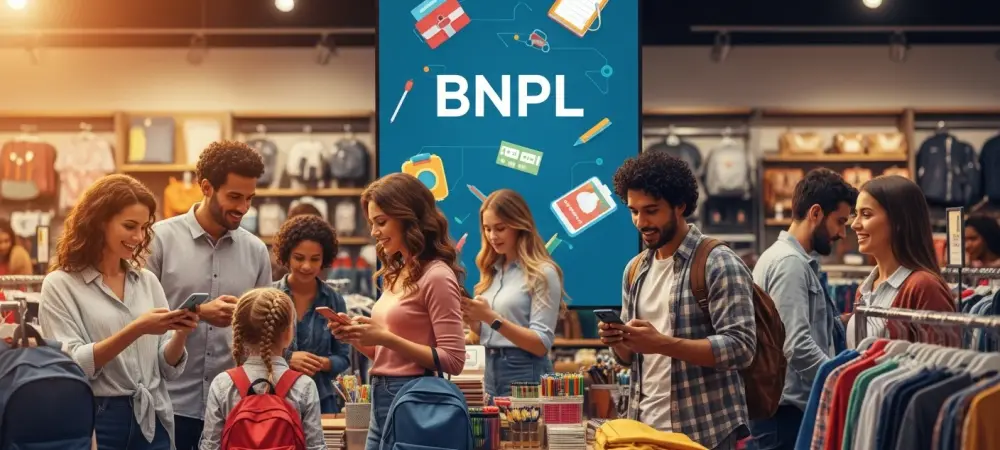
The once simple task of browsing aisles for backpacks and binders has transformed into a high-stakes financial negotiation where the checkout screen acts as a final gatekeeper for academic success. For many American families, the annual ritual of stocking up for the classroom has shifted away from simple cash transactions toward complex financing. The choice is now stark: either drain a checking account in a single afternoon or split the burden into manageable installments over several months.
This shift marks a significant departure from traditional shopping habits, signaling a new era where debt serves as a primary tool for academic preparation. As the price tag for basic classroom essentials continues to climb, the question is no longer just about what is on the list, but how many paychecks it will take to clear the balance. This fiscal reality has fundamentally altered how parents approach the beginning of the school year.
The High Cost of the First Bell
The rising cost of pencils, notebooks, and gym clothes has forced a radical change in consumer behavior, moving the focus from brand names to interest rates. For many, the ability to provide a child with the necessary tools for the school year now depends on the availability of short-term credit. This trend highlights a growing gap between the cost of educational requirements and the immediate liquidity of the average household.
As basic supplies become more expensive, the psychological weight of the back-to-school season has intensified. Shopping trips that were once characterized by excitement are now dominated by careful calculation and the weighing of various financing options. This transition suggests that the traditional “one-and-done” shopping trip is becoming a relic of the past, replaced by a prolonged cycle of debt repayment.
Why Household Budgets Are Reaching a Breaking Point
The reliance on “Buy Now, Pay Later” (BNPL) services is not merely a trend of convenience but a direct response to a tightening economic vise. While many consumers previously viewed these services as tools for luxury splurges or fashion hauls, they have increasingly become a lifeline for purchasing non-discretionary items. Families now use these platforms to secure school uniforms and mandatory laptops that are essential for student participation in a digital-first curriculum.
Stagnant household incomes have struggled to keep pace with the rising costs of apparel and electronics, creating a gap that traditional savings can no longer bridge. This financial friction has turned the back-to-school season into a high-stakes budgeting challenge that impacts nearly every demographic. When the cost of a single graphing calculator or a durable backpack rivals the weekly grocery bill, the pressure to find alternative funding becomes immense.
Analyzing the Shift Toward Installment-Based School Shopping
Recent data indicates that nearly 45% of households intend to use BNPL for their school-related purchases, representing a significant climb from the 39% recorded during the previous year. This transition is further reflected in the scale of the debt, with one in three families expecting to finance more than half of their entire shopping list. Such widespread adoption suggests that installment-based shopping is no longer an edge case but the centerpiece of the modern retail experience.
To mitigate this, major retailers have introduced aggressive “price freezing” strategies, offering supplies for under a dollar to lure price-sensitive shoppers. Despite these competitive efforts, the sheer volume of required goods often exceeds the available cash on hand. Consequently, parents are forced to make difficult trade-offs, such as cutting back on entertainment or depleting emergency funds just to ensure a child has the necessary supplies.
What the Research Says About Consumer Financial Anxiety
A recent survey provides a window into the current mindset of the American consumer, revealing that 40% of parents feel significantly more financial pressure than they did just one year ago. The statistics are stark: roughly 44% of families anticipate their total costs exceeding $500, while a substantial 20% expect to spend over $1,000. These numbers reflect a landscape where the cost of entry for education is outstripping middle-class liquidity. Experts suggest that this trend toward credit-based shopping is a symptom of a larger lack of flexibility in modern household budgets. When a single shopping season can consume an entire month’s discretionary income, alternative financing moves from being an option to a necessity for maintaining a child’s educational standards. This anxiety is not limited to lower-income brackets but extends into households that previously felt financially secure.
Strategies for Navigating the Modern Back-to-School Marketplace
Families who successfully navigated the financial strain of the academic year utilized a proactive and tiered approach to spending. They prioritized retailers that committed to “frozen” pricing on essentials to maximize the purchasing power of every dollar. When these households turned to BNPL services, it was essential that they mapped out the payment schedule against future income to prevent installments from overlapping with winter utility costs.
By combining aggressive bargain hunting for sub-dollar items with a disciplined use of short-term financing, many parents managed to equip their students without causing permanent damage to their long-term financial health. This trend toward installment-based shopping reflected a broader adaptation to a landscape where cash liquidity was increasingly limited. These strategies offered a viable path forward for maintaining educational standards during a period of significant economic transition.