

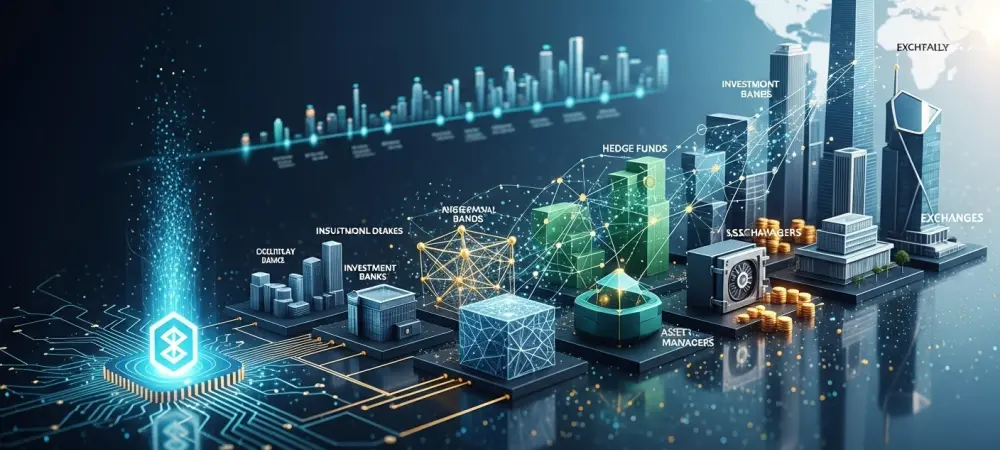
The metamorphosis of the digital asset landscape from a fringe experimental playground into a cornerstone of the global financial architecture represents a monumental shift in how institutional capital perceives decentralized technology. This review explores the technological maturation and the sophisticated frameworks that now define the market, moving beyond retail speculation toward a phase of structured, multi-billion-dollar integration. By analyzing current mechanisms and utility-driven deployments, a clearer picture emerges of how blockchain is permanently reshaping the international financial sector.
The Paradigm Shift Toward Institutional Integration
The transition of digital assets into a recognized institutional asset class signifies a maturing ecosystem where price volatility is gradually being countered by professional participation. Central to this evolution is the emergence of regulated investment vehicles, which have successfully bridged the gap between traditional finance and blockchain protocols. These instruments provide the necessary transparency and compliance required for large-scale capital entry, allowing fiduciaries to engage with digital assets without the operational risks associated with direct wallet management.
This shift has effectively standardized the framework for market participation, moving away from the “wild west” era of unregulated exchanges. The integration of high-level custodianship and institutional-grade security protocols has transformed digital assets into a viable component of diversified portfolios. By aligning blockchain technology with existing regulatory standards, the industry has established a level of stability and trust that was previously unattainable, creating a resilient foundation for the next decade of financial innovation.
Core Mechanisms of the Current Market Cycle
The technical sophistication of the current market cycle is driven by the professionalization of liquidity provision and the synchronization of global capital flows. Unlike previous cycles that relied on individual sentiment, the current landscape is governed by algorithmic execution and systematic accumulation strategies. This maturity is evident in the way market participants now prioritize structural integrity and regulatory clarity over short-term price movements, leading to a more predictable and sustainable growth trajectory.
The Rise of Spot Bitcoin ETFs and Regulated Capital Inflow
The unprecedented scale of institutional engagement is best illustrated by the massive success of spot Bitcoin Exchange-Traded Funds, such as BlackRock’s IBIT. These vehicles serve as the primary conduits for regulated capital, allowing massive inflows to reach the market through familiar brokerage accounts. This mechanism has fundamentally altered the liquidity profile of the asset class, as these funds systematically absorb available supply, acting as a buffer against retail-driven fluctuations and establishing a robust baseline for market valuation.
The Dynamics of Supply-Demand Imbalance
A critical feature of the contemporary market is the widening gap between the production of new digital assets and the rate of institutional absorption. When ETFs and corporate treasuries consume assets at a rate significantly higher than the daily minting by miners, a profound supply crunch occurs. This imbalance changes the fundamental nature of price discovery, as the reduction of circulating supply on traditional exchanges creates a scarcity-driven environment. This structural shift suggests that the market is no longer solely dependent on demand spikes but is increasingly defined by a tightening supply side.
Emerging Trends and Investor Behavior
Contemporary investor behavior reflects a strategic pivot toward assets that demonstrate long-term utility and infrastructure significance. There is a noticeable rotation of capital from foundational assets like Bitcoin into high-potential ecosystem tokens as investors seek to balance stability with growth. This trend signifies a move away from purely speculative meme-culture toward a “utility-first” mindset, where projects are evaluated based on their ability to solve real-world problems or provide essential services to the decentralized web.
Real-World Applications and Sector Deployments
The expansion of blockchain technology into diverse sectors highlights its versatility as more than just a medium of exchange. Real-world applications are now targeting specific inefficiencies in data management, computing, and decentralized finance. These deployments are creating a secondary layer of value that is independent of market sentiment, focusing instead on the tangible benefits provided to developers, businesses, and end-users within the broader digital economy.
Decentralized Oracle Networks and Data Integrity
The implementation of Chainlink as an essential infrastructure layer has become critical for the expansion of the DeFi sector. By providing decentralized oracles that deliver real-world data to smart contracts, the network ensures that automated financial protocols remain accurate and secure. This bridge between off-chain information and on-chain execution is the bedrock of modern decentralized finance, allowing complex instruments like insurance and lending to function with total transparency and without the need for central intermediaries.
Distributed GPU Computing for the AI Revolution
In the realm of high-performance computing, Render has emerged as a decentralized alternative to centralized data centers, specifically catering to the global demand for AI and rendering workloads. By utilizing blockchain technology to distribute computing tasks across a global network of GPUs, the platform offers film studios and developers a more efficient and scalable way to process complex graphics. This deployment showcases how decentralized infrastructure can compete with traditional tech giants by lowering costs and increasing accessibility to vital hardware resources.
DeFi Utility in the Meme Token Ecosystem
Even within the more speculative corners of the market, there is a distinct move toward functional utility, as seen in the development of the Pepeto ecosystem. By integrating zero-fee decentralized exchanges and contract risk scorers, the project provides actual value and security to its users. This “meme-with-utility” approach attempts to solve the issues of high transaction costs and contract vulnerabilities that often plague early-stage tokens, proving that even brand-driven assets can contribute to the technological advancement of the DeFi space.
Technical Challenges and Market Obstacles
Despite the rapid progress, the market faces significant hurdles, including the persistent volatility of presale phases and the technical complexity of maintaining decentralized networks. Ensuring the security of smart contracts remains a top priority, as even audited protocols can be subject to sophisticated exploits. Furthermore, regulatory uncertainty continues to cast a shadow over many jurisdictions, forcing projects to navigate a fragmented legal landscape while attempting to maintain the borderless and decentralized nature of the technology.
Future Trajectory and Long-Term Impact
The maturation of the cryptocurrency market points toward a future where the wealth generated from institutional holdings will likely cascade into the broader token economy. This trajectory suggests a more bifurcated market where verified security and structural utility become the primary benchmarks for success. As institutional guardrails continue to strengthen, the long-term impact will be a more efficient global financial system where blockchain technology serves as the invisible plumbing for digital value transfer and decentralized infrastructure.
Summary and Overall Assessment
The institutionalization of digital assets successfully bridged the gap between speculative experimentation and global financial integration. This period provided a standardized framework for capital entry through regulated vehicles, which fundamentally altered the supply-demand dynamics of the entire market. Investors who navigated this era by focusing on infrastructure-heavy assets like decentralized oracles and GPU networks saw the benefits of moving beyond pure sentiment. Ultimately, the maturation of the ecosystem demonstrated that the strategic balance between institutional stability and high-utility innovation was the primary driver of the technology’s long-term success.