

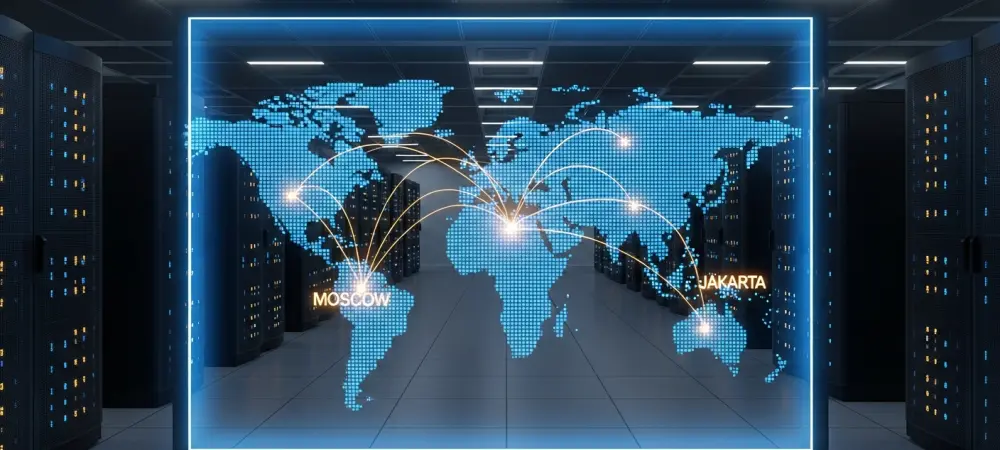
The global financial landscape is undergoing a profound transformation as traditional cross-border barriers begin to dissolve through localized digital innovations. Starting in July 2026, Indonesia and Russia are set to launch a sophisticated digital payment bridge that promises to fundamentally redefine bilateral financial connectivity between the two nations. This ambitious initiative directly links Indonesia’s domestic mobile payment systems with the Russian Mir network, effectively removing the logistical friction that has complicated travel and commerce for years. By streamlining transactions for essential services such as accommodation and local transportation, both governments are prioritizing a modern, integrated digital economy over cumbersome traditional currency exchange. This shift not only simplifies the experience for thousands of visitors but also signals a broader commitment to technological autonomy in an increasingly fragmented global banking environment where speed and reliability are now seen as the primary drivers of sustainable growth and regional stability.
Institutional Ties: Strengthening Financial Foundations
PT Mana Indonesia Group is spearheading the technical implementation of this project, acting as the lead architect for an interoperable gateway that bridges two distinct financial cultures. This effort is not a solitary venture but rather a coordinated movement backed by substantial institutional support from various Russian trade and regional development organizations. By creating this specialized corridor, the project successfully establishes a frictionless environment for commerce that reflects a deeper shift toward bilateral economic independence. These organizations provide the necessary regulatory framework and credit guarantees required to ensure that the transition from a concept to a functional reality remains smooth and efficient. The collaboration highlights a sophisticated understanding of how national interests can align through shared technological infrastructure, ultimately fostering a new era of cooperation that transcends traditional diplomatic channels by focusing on practical, day-to-day financial utility.
A critical component of this institutional alignment involves the deliberate decision to bypass complex international banking intermediaries that often introduce delays and high transaction costs. By establishing a direct link between the Russian Federation and Southeast Asia, the project allows capital to flow more freely, ensuring that merchants receive payments faster and travelers avoid the high fees associated with multi-currency conversions. This streamlined approach significantly reduces the overhead for financial institutions on both sides, making the entire ecosystem more resilient against external economic shocks. Furthermore, the removal of third-party clearing houses strengthens the direct bilateral relationship, allowing for more precise data sharing and economic planning between Jakarta and Moscow. As this financial architecture matures, it provides a blueprint for how mid-sized economies can leverage digital sovereignty to protect their domestic markets while still participating in the global economy on their own specific terms.
Technical Framework: Advanced Security Standards
The underlying architecture of the new payment gateway is designed to utilize existing mobile ecosystems rather than forcing the adoption of expensive or proprietary hardware solutions. This strategic choice ensures that local merchants can accept payments using devices they already own, significantly lowering the barrier to entry for small businesses in remote tourist areas. To maintain the highest levels of security and compliance with stringent local regulations, the system mandates that international travelers register a local SIM card immediately upon arrival. This mobile-based authentication process serves as a digital anchor, connecting each transaction to a verified user and providing a transparent audit trail for financial regulators. This level of traceability is essential for maintaining trust in the system, as it effectively mitigates the risks of fraud and ensures that every digital payment is backed by a verifiable identity within the network, creating a secure environment for all participants. To maintain long-term economic stability and prevent the sudden disruption of local currency markets, the integrated system incorporates specific spending caps specifically tailored for the tourism sector. Users are currently limited to a maximum expenditure of approximately $2,200 USD per month, an amount carefully calculated to cover high-end hotel stays, premium dining, and various retail needs without inviting unregulated capital flight. This controlled environment ensures that the influx of foreign funds remains manageable for both the Indonesian and Russian financial systems, preventing the inflationary pressures that can sometimes accompany rapid surges in digital liquidity. These fiscal guardrails provide a sense of security for national central banks, allowing them to monitor the velocity of money within the corridor in real-time. By balancing ease of use with rigorous financial oversight, the architects of the system have created a sustainable model that encourages healthy economic exchange while protecting the integrity of the domestic monetary supply.
Strategic Implementation: Future Considerations
To ensure a successful transition, financial institutions in both regions prioritized the education of local merchants on the nuances of the new digital interface. Businesses that updated their point-of-sale systems early were able to capture a larger share of the initial wave of travelers, demonstrating the clear competitive advantage of early technological adoption. Furthermore, the establishment of dedicated support centers helped resolve technical discrepancies that appeared during the initial testing phase, ensuring that the user experience remained consistently high. These proactive measures allowed for a smoother integration process, proving that technical infrastructure must be accompanied by robust human support systems. By focusing on merchant readiness and consumer education, the architects of this corridor successfully avoided the common pitfalls associated with large-scale digital rollouts. This careful preparation ensured that the system was not just a theoretical improvement but a practical tool that provided immediate value to the marketplace upon its activation. Looking ahead, the success of the Indonesia-Russia payment bridge served as a compelling case study for other nations seeking to enhance their financial autonomy through bilateral cooperation. Analysts observed that the project provided a clear template for how to balance open trade with rigorous national security standards, particularly in the realm of data privacy and financial oversight. The implementation of real-time monitoring tools allowed regulators to detect and respond to unusual transaction patterns with unprecedented speed, setting a new standard for international fintech collaboration. As more countries explored similar digital corridors, the lessons learned from this initiative became invaluable for shaping the next generation of global financial infrastructure. The project ultimately demonstrated that regional sovereignty and international connectivity are not mutually exclusive but can instead reinforce one another through well-designed technological solutions. This evolution marked a significant step toward a more multipolar financial world where innovation is driven by local needs rather than centralized global mandates.