

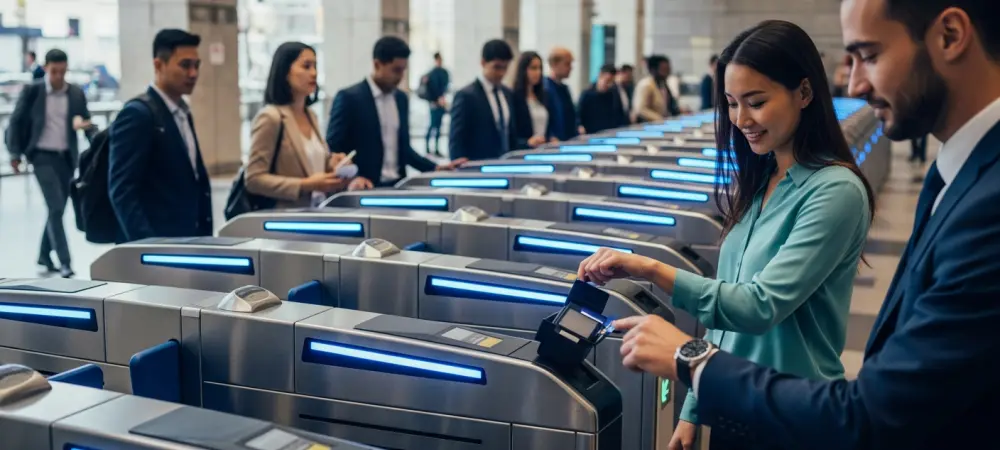
International travelers arriving in modern metropolitan hubs today expect an immediate and frictionless transition from their arrival gate to the city center, facilitated entirely through their preferred mobile interfaces. The ability to pay for a high-speed rail ticket, a street-side snack, or a luxury hotel stay using a single digital wallet has moved from being a convenience to a primary factor in destination selection. Travelers now prioritize regions where financial hurdles are minimized and currency exchange becomes an invisible background process. This evolution reflects a broader trend where the physical presence of cash has become a relic of the past, replaced by sophisticated encrypted tokens and real-time biometric verification systems. As nations compete for a larger share of the global travel market, the robustness of their digital payment infrastructure serves as a silent but powerful indicator of their readiness to host the modern explorer. Those who have lagged in this technological race find themselves struggling to attract high-spending demographics.
Transforming Global Mobility Through Financial Technology
Interoperability: Bridging the Gap Between Borders
The seamless nature of modern travel relies heavily on the back-end interoperability of diverse financial networks that allow for instantaneous currency conversion at the point of sale. Regional alliances have successfully integrated local payment systems, enabling a tourist from Southeast Asia to use a home-grown mobile application at a boutique cafe in Southern Europe without encountering rejection or exorbitant fees. This level of connectivity was achieved through the standardization of application programming interfaces and the widespread adoption of unified QR code protocols. By removing the traditional barriers of physical currency exchange and credit card processing delays, destinations have significantly increased the velocity of money within their local tourism sectors. This technical synergy ensures that every transaction is settled in milliseconds, providing merchants with immediate liquidity while offering travelers a sense of security and familiarity. The expansion of these networks continues to decrease the reliance on legacy banking.
Enhancing Small-Scale Tourism: The Digital Inclusion Factor
Digital payment adoption has fundamentally democratized the tourism landscape by bringing small-scale vendors and remote artisanal communities into the formal global economy. Previously, many local merchants were excluded from the windfall of international tourism because they lacked the infrastructure to process foreign credit cards or manage complex cash handling risks. Today, however, even the most isolated craft markets utilize low-cost mobile terminals and decentralized payment gateways to accept secure digital transfers from international visitors. This shift has not only boosted the revenue of individual entrepreneurs but has also encouraged tourists to explore areas beyond traditional high-traffic zones, knowing they can transact safely anywhere. Furthermore, the transparency inherent in digital ledgers helps reduce the prevalence of overcharging and informal scams, which historically deterred cautious travelers from engaging with street-level commerce. By providing a secure and verifiable means of exchange, digital payments have effectively turned culture into a resilient asset.
Strategic Implementation and Economic Resilience
Security Architectures: Building Trust in the Digital Realm
Ensuring the integrity of financial data remains a cornerstone of maintaining a competitive edge in the global tourism sector, particularly as cyber threats become more sophisticated. Advanced tokenization methods now replace sensitive cardholder data with unique digital identifiers, ensuring that even if a transaction is intercepted, the underlying financial information remains useless to malicious actors. Many leading destinations have further bolstered traveler confidence by integrating biometric authentication, such as facial recognition or fingerprint scanning, directly into the payment process at transit hubs and major attractions. This multi-layered security approach has drastically reduced the incidence of identity theft and fraudulent charges, which were once common pitfalls of international travel. Moreover, the use of artificial intelligence to monitor transaction patterns in real-time allows for the immediate identification of suspicious activity, providing an extra layer of protection for both the consumer and the merchant.
Future-Proofing Destinations: Practical Next Steps
Successful nations recognized that the integration of digital payments was not merely a technical upgrade but a strategic imperative for long-term economic stability. They prioritized the creation of open-banking frameworks that encouraged competition among fintech providers, which in turn drove down transaction costs for both tourists and local businesses. Governments also invested heavily in digital literacy programs to ensure that even the most traditional sectors of the economy could navigate the transition away from cash-based systems. These stakeholders focused on establishing cross-border regulatory sandboxes where new payment technologies were tested for safety and efficiency before being scaled globally. By adopting a proactive stance toward financial innovation, these regions secured their positions as preferred destinations for the next generation of global citizens. Ultimately, the move toward total digital integration provided a roadmap for building a more resilient, transparent, and accessible global tourism market.