

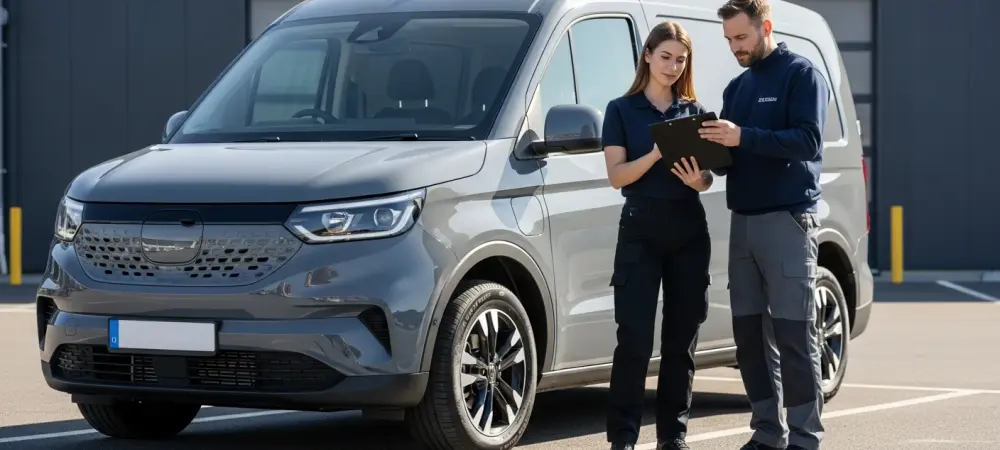
The traditional model of fleet insurance has long relied on historical data and generalized risk profiles that often fail to reflect the actual minute-by-minute behavior of vehicles on the road today. By integrating Admiral’s substantial capital and underwriting heritage with Flock’s advanced real-time risk engine, the industry is witnessing a pivot toward a more granular and responsive coverage model. This strategic move signifies a shift from stagnant annual premiums toward a dynamic environment where telematics data dictates costs based on actual driving performance and environmental factors. Modern fleets now operate in a digital ecosystem where every acceleration, hard braking event, and route choice becomes a data point for risk assessment. As these two organizations align, the emphasis moves away from merely paying out claims toward actively preventing them through continuous monitoring and behavioral feedback. This evolution is particularly relevant for the burgeoning gig economy where vehicle usage patterns are highly variable and traditional insurance products often prove inadequate or expensive for small operators.
The Shift to Data-Driven Risk Mitigation
Integrating high-frequency data streams into the underwriting process allows for a level of transparency that was previously unattainable for large-scale commercial operations. The partnership utilizes sophisticated sensors and GPS data to identify high-risk areas and specific times of day when accidents are statistically more likely to occur for a given fleet. Instead of waiting for a quarterly review, fleet managers receive immediate insights that enable them to coach drivers on safer habits or reroute vehicles to avoid hazardous conditions. This proactive approach naturally leads to a reduction in the frequency and severity of claims, which in turn stabilizes the insurance market for commercial transit. Furthermore, the use of proprietary algorithms helps in calculating safe driving scores that directly correlate with premium adjustments, providing a financial incentive for safety. This system transforms insurance from a passive administrative burden into a strategic tool for operational efficiency and safety management throughout the delivery lifecycle.
Future Implications for the Logistics Ecosystem
Looking ahead to the period from 2026 to 2030, the adoption of connected vehicle technology was projected to become the standard requirement for securing competitive fleet coverage. Companies that embraced these integrated solutions early secured a significant competitive advantage by reducing their total cost of ownership and improving driver retention through safety-based reward programs. It became clear that the legacy approach of set and forget insurance was no longer viable in a high-speed, data-rich economy. To maintain resilience, operators prioritized investments in onboard diagnostic tools and cloud-based management platforms that synced directly with their insurance providers. Decision-makers were encouraged to audit their existing telemetry capabilities to ensure compatibility with real-time underwriting requirements. They also focused on transparency with their workforce to ensure that data collection was perceived as a safety benefit rather than an intrusive surveillance measure. Ultimately, those who bridged the gap between operational data and financial risk management established a more sustainable framework for the years ahead.