

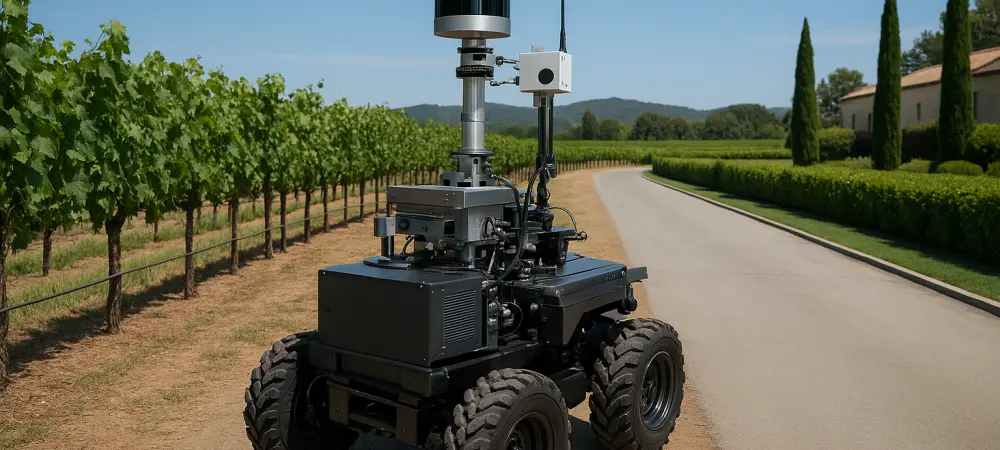
A specialized insurtech firm is deploying an autonomous rover named Rosebud to provide high-resolution property assessments that traditional data sources frequently overlook. This technological leap comes as RockRose Risk recently secured a $12.5 million Series A funding round led by Crosslink Capital and Congruent Ventures, signaling a significant shift in investor confidence. Instead of focusing solely on financial transfers, the insurance industry is pivoting toward a comprehensive ecosystem that prioritizes the physical hardening of homes and businesses. This strategy aims to stabilize markets currently plagued by soaring premiums and frequent non-renewals across the Western United States. By merging insurance brokerage with hands-on risk reduction, the firm is attempting to rebuild a foundation for regional economic stability and property safety. This shift ensures that property owners are no longer left to navigate the complexities of mitigation alone while facing a volatile environment.
Transforming Brokerage into a Vertical Risk Platform
Integrating Physical Mitigation within the Insurance Ecosystem
The company’s strategy centers on a vertically integrated platform that combines advanced risk analysis with the actual labor needed to protect homes and businesses. Unlike standard brokers, RockRose plans to acquire service businesses such as tree trimming and roofing companies to ensure property improvements meet strict insurer standards. This hands-on approach addresses the long-standing disconnect between a property owner’s investment in safety and the subsequent recognition of those efforts by insurance carriers, effectively creating a one-stop shop for fortification and coverage. By owning the supply chain of mitigation, the firm can guarantee the quality of work performed, which in turn provides insurance carriers with the confidence needed to issue policies in high-risk areas. This model essentially transforms the broker from a simple middleman into a primary facilitator of property resilience, ensuring that every dollar spent on upgrades translates into tangible benefits.
Utilizing Autonomous Robotics for Site-Specific Data
At the heart of this operational shift is the use of proprietary technology, including the Rosebud autonomous rover, to conduct high-resolution property assessments. This granular data allows for precise property-level underwriting, moving the industry away from generalized, zip-code-based risk models that often lead to inaccurate pricing. By providing insurers with verified, site-specific data, RockRose helps properties transition out of state-funded “last resort” plans and back into the more stable private insurance market. The rover can identify specific vulnerabilities, such as ember-susceptible vents or excessive fuel loads near structures, that satellite imagery often misses. This level of detail allows for a more nuanced understanding of risk, where two adjacent properties can be priced differently based on their individual defense strategies. Consequently, this creates a fairer marketplace where proactive homeowners are rewarded for their efforts rather than penalized by broad data.
Restoring Stability to Fractured Insurance Markets
Navigating Institutional Demand and Climate Volatility
This innovative model arrives at a critical time as wildfire activity intensifies, with current seasons already proving to be more destructive than previous years. The demand for specialized risk management spans from individual homeowners in California and Nevada to massive commercial portfolios managed by institutional investors like Nuveen Real Estate. This cross-sector interest highlights a growing necessity for specialized solutions that can handle the unique challenges of wineries, hotel groups, and large-scale residential associations in fire-prone regions. Institutional investors are particularly keen on these solutions, as they need to protect massive assets against the dual threats of physical damage and declining market liquidity. As fire seasons become longer and more unpredictable, the ability to demonstrate a proactive defense strategy has become a prerequisite for securing capital and maintaining property values across the entire Western United States.
Establishing Long-Term Resilience through Data Transparency
To address the persistent instability in wildfire-exposed regions, stakeholders recognized that merging physical labor with financial products was the most effective path forward. The implementation of autonomous sensing and direct contracting allowed for a level of transparency that previously existed only in theory. Insurance carriers found that site-specific data provided a much clearer picture of actual liability, which encouraged them to return to markets they had once deemed too risky. Moving forward, homeowners and commercial operators should consider prioritizing vertical risk solutions that offer both mitigation and brokerage to ensure they remain insurable. Developers and urban planners would also benefit from integrating these autonomous assessment tools during the initial phases of construction to bake resilience into the landscape. By shifting the focus from post-disaster payouts to pre-emptive defense, the industry established a new standard for surviving in a changing world.