

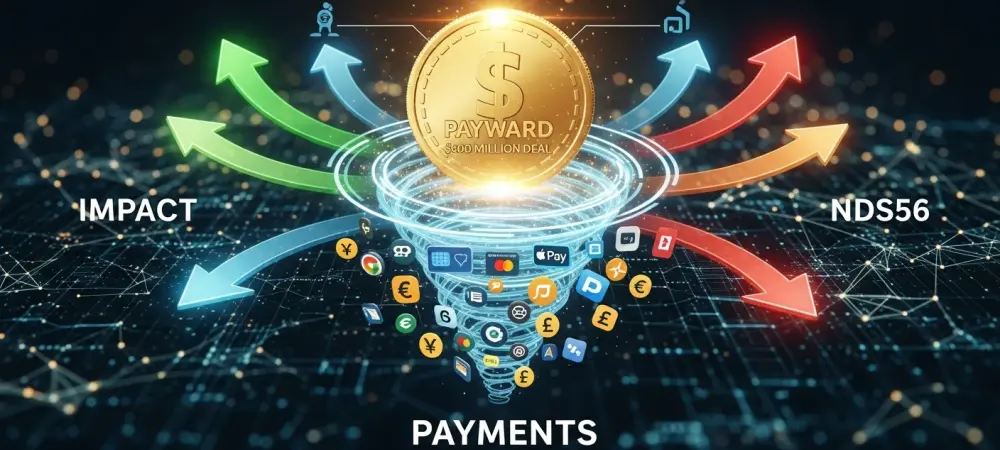
The rapid convergence of traditional financial systems and decentralized blockchain technology has created a high-stakes environment where only the most integrated platforms can expect to survive the current decade. Payward, the prominent parent entity of the Kraken cryptocurrency exchange, recently solidified its position in this evolving landscape by entering into a definitive agreement to acquire Reap, a Hong Kong-based provider of stablecoin and payments infrastructure. This transaction, which was valued at approximately $600 million through a strategic combination of cash and equity, highlighted a significant trend of consolidation within the digital asset industry. As major players sought to bridge the gap between legacy banking and on-chain liquidity, this deal represented a fundamental shift toward creating a singular, comprehensive financial stack. By absorbing Reap’s specialized B2B toolset, Payward signaled an intent to move beyond simple exchange services into the realm of enterprise-grade payment solutions that satisfy the demands of modern global commerce.
Expanding Operational Footprints through Regulatory Synergy
Established in 2018, Reap carved out a specific niche by offering stablecoin-powered business accounts, corporate cards, and sophisticated cross-border payment solutions tailored for modern enterprises. The acquisition was meticulously designed to facilitate mutual geographic and regulatory expansion across several high-growth jurisdictions. For Reap, the partnership provided a direct pathway into the United States and European markets by leveraging Payward’s existing regulatory licenses and established trust with Western financial authorities. Conversely, Payward utilized Reap’s localized infrastructure and deep-seated industry connections to solidify its presence across the Asia-Pacific region and the Americas. This symbiotic relationship allowed both entities to bypass the lengthy and often arduous process of securing individual licenses in new territories. By integrating these capabilities, the combined entity streamlined the movement of capital across borders, reducing the friction typically associated with traditional wire transfers.
Navigating the Future of Integrated Global Financial Stacks
The integration process ensured that Reap continued to operate as an independent organization under its original leadership, preserving the agile corporate culture that initially fueled its growth. Clients within the Reap ecosystem gained immediate access to Payward’s deep global liquidity and institutional-grade custody solutions, while Payward’s partners adopted advanced card-issuing capabilities without the need for external vendors. This acquisition followed the $550 million purchase of Bitnomial, demonstrating a clear pattern of aggressive expansion and vertical integration. Financial institutions and tech-forward corporations should have closely monitored these developments to understand how localized payments can be scaled globally through stablecoin rails. Organizations that prioritized the adoption of hybrid payment systems positioned themselves to benefit from lower transaction costs and faster settlement times. The move suggested that the future of global finance relied on the seamless merger of regulated digital assets and traditional merchant services.