

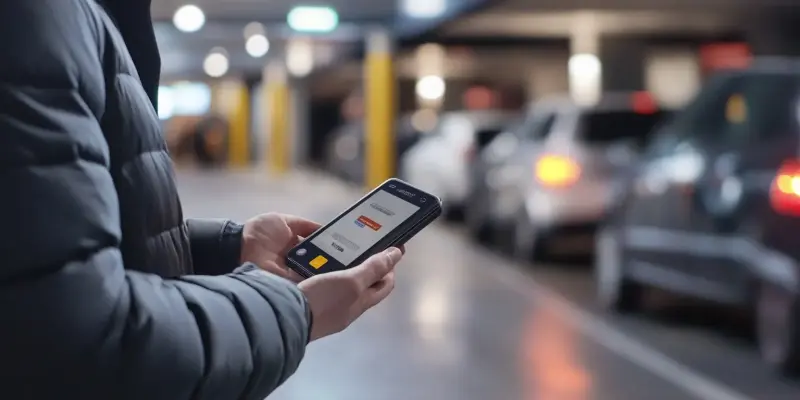
Baltimore is taking a significant step towards modernizing its urban infrastructure by introducing PayByPhone, a leading global provider of mobile parking payments. PayByPhone is set to revolutionize the parking landscape for both residents and visitors, providing a seamless and efficient solution for one of the most common urban hassles. With the Parking Authority of Baltimore City appointing PayByPhone, parking in City-owned lots and on-street metered spaces in Downtown Baltimore, including the Central Business District, will be transformed. This initiative aims to extend to other popular areas such as Fells Point, Federal Hill, Camden Yards, and the Inner Harbor, ensuring wider accessibility and convenience.
Streamlining the Parking Experience
A Simple and Efficient System
Using PayByPhone allows users to engage in a streamlined process to initiate and complete a parking session, significantly cutting down on time and effort often associated with traditional parking methods. The system involves three simple steps: entering the location number of the parking spot, selecting the duration for which parking is needed, and making the payment through the app. This process eliminates the need for cash transactions or physical visits to payment kiosks, presenting a modern, hassle-free parking experience. Furthermore, with the ability to handle the entire transaction from a mobile device, drivers can seamlessly adjust their plans without worrying about parking tickets or the need to feed a meter.
One of the standout features is the provision for extending parking remotely. This is accomplished either through the PayByPhone app or via wearable devices like the Apple Watch, allowing users the flexibility to extend their parking without returning to their vehicle or finding a nearby payment machine. This convenience is particularly beneficial for busy professionals and tourists who may have unpredictable schedules. By promoting a cashless transaction environment and integrating advanced technology into everyday activities, Baltimore is positioning itself as a forward-thinking city that values efficiency and resident comfort.
Enhanced User Experience with Advanced Features
To further enhance user experience, the PayByPhone service offers additional functionalities. The app’s Maps feature allows users to find parking spaces effortlessly and even pin their vehicle’s location on the map, preventing the all-too-common scenario of forgetting where the car is parked. This is crucial for those navigating unfamiliar areas or large events where parking spreads across vast areas. Adding to this, the Nearby Parking feature instantly provides the closest PayByPhone location number, thereby saving time and effort in locating available parking spots.
The PayByPhone app is designed to be inclusive and accessible, accommodating Baltimore’s diverse demographic makeup. It supports 11 languages, including Spanish and Italian, making it user-friendly for non-English speakers and thereby broadening its reach. Additionally, users receive text message reminders to avoid parking citations, addressing a common concern for urban drivers. By amalgamating these varied features into a single, intuitive platform, PayByPhone not only simplifies the parking process but also significantly reduces the likelihood of minor infractions that lead to citations and fines.
Positive Impact on Urban Mobility and Infrastructure
Aligning with Smart City Initiatives
Baltimore’s embrace of PayByPhone is part of a broader trend of adopting smart city solutions aimed at improving urban mobility and infrastructure. By substituting traditional payment methods and infrastructure with a sophisticated, mobile-first approach, the city aligns itself with global standards of urban modernization. These technological advancements contribute to more efficient, environment-friendly urban management by reducing the need for physical meters and paper receipts. Overall, such initiatives help in cutting down on urban congestion and reducing carbon footprints, both critical aspects of sustainable urban planning.
Peter Little, Executive Director of the Parking Authority of Baltimore City, underscored the multiple benefits that come with this modernized system. Not only does it offer flexibility to drivers, but it also improves overall user satisfaction. By providing a more intuitive and adaptable service, the city can expect a noticeable decline in parking-related grievances and complaints. Moreover, covering popular and densely populated areas like Camden Yards and the Inner Harbor ensures that the benefits of smart parking are extended to high-traffic zones, which are critical for tourism and local businesses.
Future Considerations and Expanded Reach
Baltimore’s introduction of PayByPhone marks a significant advancement in updating its urban infrastructure, offering a seamless and efficient solution to one of the city’s most common urban problems. The Parking Authority of Baltimore City has appointed PayByPhone to manage parking in City-owned lots and on-street metered spaces in Downtown Baltimore, particularly in the Central Business District. The initiative is also planned to expand to other popular locations such as Fells Point, Federal Hill, Camden Yards, and the Inner Harbor. This expansion aims to ensure greater accessibility and convenience, making it simpler for individuals to find and pay for parking. The adoption of PayByPhone represents a step towards smarter city living, leveraging technology to streamline daily activities and improve the overall quality of urban life.