

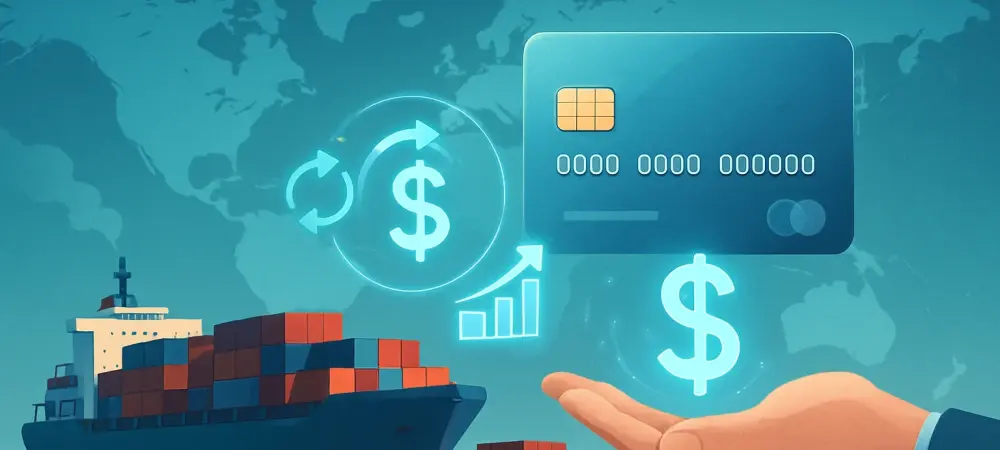
What happens when the gears of global trade grind to a halt due to slow, costly payment systems? For countless businesses, delays in cross-border transactions mean missed opportunities, strained cash flows, and frustrated partners. In 2025, a seismic shift is underway as DP World, a heavyweight in global logistics, and PayPal, a pioneer in digital payments, unite to tackle these persistent challenges. This alliance promises to redefine how money moves across borders, offering a glimpse into a future where trade payments are swift, transparent, and accessible to all.
The Urgency of Reinventing Cross-Border Transactions
The importance of this collaboration cannot be overstated in an era where global trade underpins economic stability. With international commerce generating trillions annually, inefficiencies in payment systems create ripple effects—small businesses struggle to compete, supply chains falter, and consumer prices rise due to hidden costs. The partnership between DP World and PayPal emerges as a critical response to these issues, aiming to dismantle barriers that have long plagued merchants and shippers.
This initiative is not merely a technological upgrade; it represents a lifeline for enterprises navigating the complexities of globalization. As e-commerce continues to surge, with cross-border online sales projected to grow by 15% annually from 2025 to 2027 according to industry forecasts, the demand for seamless payment solutions intensifies. By addressing this need, the collaboration sets out to empower businesses of every size to thrive in a connected marketplace.
Unveiling a Bold Partnership for Commerce
At the heart of this transformative effort lies a Memorandum of Understanding between DP World and PayPal, forging a digital payments platform tailored for international trade. The goal is clear: slash settlement times from days to minutes by harnessing PayPal’s robust payment infrastructure alongside DP World’s unparalleled supply chain network. For a small exporter in Latin America shipping goods to North America, this could mean receiving funds almost instantly, a game-changer for reinvestment and growth.
Beyond speed, the partnership targets the hefty fees that often burden global transactions. Traditional banking systems can charge up to 5% per transfer, as reported by financial studies, while this new solution aims to significantly reduce such costs. This affordability opens doors for smaller players who previously found international trade prohibitive, leveling the competitive landscape.
Security and transparency also stand as pillars of this initiative. With fraud costing global businesses billions each year, the platform prioritizes traceable transactions and stringent safeguards. Merchants can track payments in real time, building trust with partners across continents and reducing disputes that often arise from opaque processes.
Leadership Perspectives on a Shared Vision
The architects of this alliance are vocal about its potential to reshape the trade landscape. Sultan Ahmed bin Sulayem, Group Chairman and CEO of DP World, emphasizes the broader impact: “Streamlining payments goes beyond convenience; it fuels economic growth by making supply chains more resilient.” His words reflect a commitment to practical, impactful change.
Similarly, Alex Chriss, President and CEO of PayPal, underscores the urgency of innovation in this space. “When payments are fast and secure, global trade flourishes.” Their aligned vision highlights a mutual drive to eliminate friction, fostering confidence among merchants navigating international markets.
This shared optimism is grounded in a clear strategy to address real pain points. Both leaders recognize that modernizing payment systems is not just about technology but about creating an ecosystem where businesses can operate with certainty and efficiency, no matter their location or scale.
Tangible Benefits for Businesses Worldwide
The implications of this collaboration extend directly to companies engaged in cross-border trade, offering immediate, actionable advantages as the platform rolls out. Businesses can prepare for accelerated cash flows by optimizing internal processes to handle rapid settlements, enabling quicker reinvestment or debt reduction. This agility is crucial for staying competitive in fast-paced markets.
Cost savings present another significant opportunity. With transaction fees expected to drop under this new system, companies can redirect funds previously tied up in overhead toward innovation or market expansion. A mid-sized importer, for instance, could reinvest savings into scaling operations, gaining an edge over competitors still grappling with traditional costs.
Finally, the enhanced transparency of the platform strengthens partnerships across borders. By providing clear, trackable payment records, businesses can build trust with international clients, reducing misunderstandings and fostering long-term relationships. Adopting these tools positions firms—whether small marketplaces or large exporters—to excel in an evolving global economy.
Reflecting on a Milestone in Trade Innovation
Looking back, the alliance between DP World and PayPal stood as a turning point in addressing the inefficiencies that once hindered cross-border trade payments. It delivered on the promise of speed, slashing settlement times, while cutting costs that had burdened businesses for decades. The transparency it introduced rebuilt trust in international transactions, creating stronger ties among global partners.
As the industry moved forward, the challenge remained for businesses to fully embrace these advancements by integrating digital tools into their operations. Stakeholders were encouraged to explore how such platforms could be tailored to specific needs, ensuring that the benefits of this innovation reached every corner of the market. The path ahead pointed toward continued collaboration and adaptation, with the potential to further revolutionize how trade connected the world.