

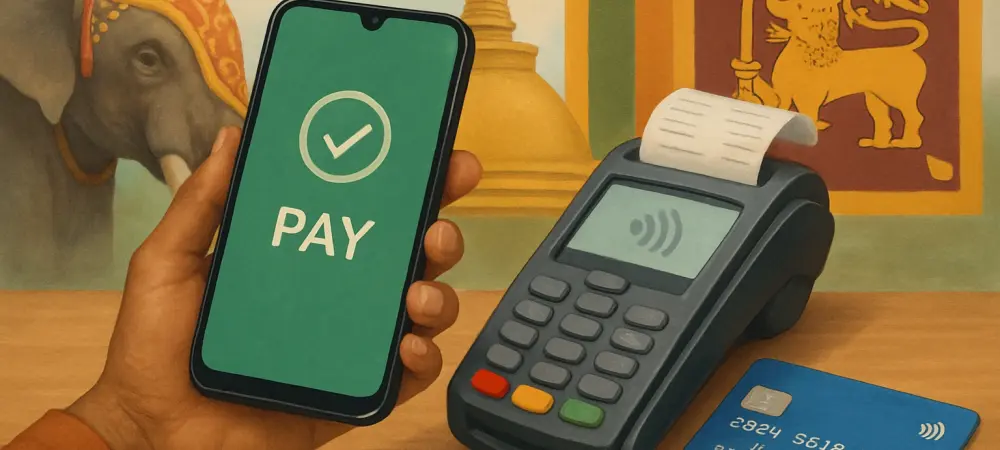
Today, we’re thrilled to sit down with a leading expert in e-commerce and digital payment systems, who has deep insights into the evolving landscape of online shopping in Sri Lanka. With years of experience in analyzing market trends and technological advancements in emerging economies, our guest offers a unique perspective on how digital payments are reshaping the way businesses and consumers interact in this vibrant market. In this interview, we’ll explore the rapid growth of e-commerce in Sri Lanka, the cultural shift from cash on delivery to digital transactions, the challenges and opportunities for businesses, and the role of innovative payment methods in driving global expansion.
Can you walk us through the recent growth of e-commerce in Sri Lanka and what trends stand out to you?
Absolutely. E-commerce in Sri Lanka has seen explosive growth over the past few years, with online transactions climbing steadily. More people are shopping online due to increased internet access and smartphone penetration. What’s really striking is the shift in consumer behavior—there’s a growing comfort with digital platforms, especially among younger generations. Local businesses are adapting by setting up online stores, and we’re seeing a surge in sectors like fashion, electronics, and even groceries going digital. This boom is creating a ripple effect, pushing companies to prioritize user-friendly websites and reliable delivery systems to keep up with demand.
What made cash on delivery such a dominant payment method in Sri Lanka for so long?
Cash on delivery, or COD, became the go-to option largely because of trust and accessibility issues. Many Sri Lankans, especially those without bank accounts or credit cards, felt safer paying only after inspecting their purchases. There was a general skepticism about online transactions—people worried about fraud or receiving the wrong items. Plus, limited access to banking services in rural areas made COD a practical choice. It bridged the gap for those hesitant about digital payments, allowing e-commerce to take root even in a cash-heavy economy.
What’s driving the transition from cash on delivery to digital payments in the Sri Lankan market?
Several factors are fueling this shift. First, consumer confidence in digital systems has grown as more people get familiar with online shopping. The rise in smartphone usage has also made digital wallets and banking apps more accessible. Data from the Central Bank of Sri Lanka shows a significant jump—e-commerce transaction values hit over US $4.61 billion in 2024, with card payments alone rising by more than 27%. This reflects a broader acceptance of digital methods. Additionally, businesses are pushing for prepaid options to avoid the headaches of COD, like returns and delayed payments, which is nudging customers toward digital alternatives.
How does cash on delivery create challenges for businesses trying to scale in Sri Lanka?
COD poses several hurdles for businesses, especially those looking to grow. High return rates are a big issue—customers often refuse deliveries, leaving sellers with unsold inventory and wasted shipping costs. It also messes with cash flow since payments are delayed until delivery, sometimes taking weeks to reconcile. On top of that, there are added costs for processing and managing cash transactions, not to mention the security risks for delivery teams handling cash. These inefficiencies make COD unsustainable, particularly for businesses eyeing international markets where prepaid systems are the norm.
In what ways are digital payments opening doors for Sri Lankan businesses, especially on a global scale?
Digital payments are a game-changer for Sri Lankan businesses. They speed up transactions, cutting down the wait time for funds to clear, which is critical for maintaining cash flow. Security features in digital systems also reduce fraud, building trust with customers. For global expansion, digital payments are essential—they integrate seamlessly with international platforms, allowing businesses to accept payments in multiple currencies and reach customers worldwide. This creates a smoother checkout experience, which is key to competing in global markets and establishing credibility with overseas shoppers.
What digital payment methods are gaining traction in Sri Lanka right now, and how are they being used?
We’re seeing a mix of options taking hold. Credit and debit cards are widely used, especially for online purchases, due to their familiarity and global acceptance. Mobile wallets and QR-based payments, like those supported by LankaQR, are also popular, particularly among younger users and in urban areas, because they’re fast and don’t always require a bank account. International gateways like PayPal and Stripe are critical for businesses targeting overseas customers, as they handle cross-border payments and offer fraud protection. Each method caters to different needs, but together, they’re broadening the reach of e-commerce in Sri Lanka.
What are the advantages and drawbacks of using credit and debit cards for online shopping in Sri Lanka?
Cards have a lot going for them—they’re trusted by global shoppers and enable instant transactions, which is a huge plus for both buyers and sellers. They also support multi-currency payments, making international shopping easier. However, merchants often grapple with transaction fees, which can eat into profits, especially for smaller businesses. There’s also a dependency on banking infrastructure, which isn’t always robust in rural areas, limiting access for some customers. Despite these challenges, cards remain a cornerstone of e-commerce growth due to their widespread recognition.
How do mobile wallets and QR-based payments help include more people in Sri Lanka’s e-commerce ecosystem?
Mobile wallets and QR payments are incredibly inclusive, especially for the unbanked population. They allow people without traditional bank accounts to shop online using just a smartphone and a prepaid balance, which is a huge step forward in rural or underserved areas. Initiatives like LankaQR simplify payments by letting users scan codes for quick transactions. However, adoption isn’t uniform—rural regions often lack reliable internet, and these methods have limited use for international purchases. Still, they’re a vital tool for expanding e-commerce to a broader demographic locally.
What are some of the key obstacles Sri Lankan businesses face when adopting digital payment systems?
There are a few significant barriers. Gateway fees and integration costs can be a deterrent, especially for small businesses with tight budgets—every transaction fee cuts into their margins. Cybersecurity is another concern; both merchants and customers worry about data breaches or fraud, which can erode trust. Then there’s the issue of infrastructure—rural areas often lack stable internet or access to digital banking, creating a divide in adoption. Overcoming these requires a mix of affordable solutions, better security measures, and efforts to educate consumers on safe digital practices.
What’s your forecast for the future of digital payments and e-commerce in Sri Lanka over the next decade?
I’m optimistic about the trajectory. Over the next decade, I expect digital payments to become the default for e-commerce in Sri Lanka, with cash on delivery fading into the background. Fintech innovations will likely drive more accessible and secure payment options, especially for rural communities. We’ll see greater integration of global payment systems, enabling even small businesses to tap into international markets. Pairing this with improved logistics and delivery transparency will be key—businesses that combine secure payments with reliable shipping will build lasting trust and dominate the market. It’s an exciting time for Sri Lanka’s digital economy.