

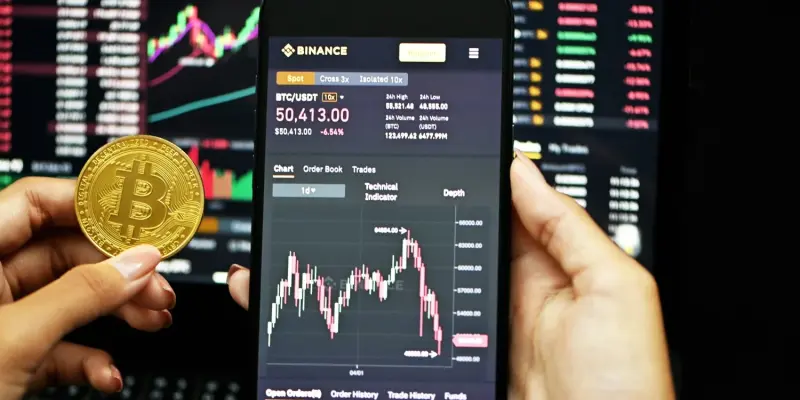
Binance has unveiled a new initiative through its exclusive Binance Alpha platform, launching an airdrop and trading competition centered around Open Loot (OL) tokens. This initiative allows users with 233 Alpha points to claim 1,836 OL tokens, valued at approximately $82. The trading competition boasts a large prize pool of 16 million OL tokens, equating to about $700,000 given the current market fluctuations. This move aims to introduce early-stage and promising projects like Open Loot to Binance’s user base, allowing participants opportunities before their official main exchange listing. However, despite the excitement generated, this initiative has already impacted OL’s market value, leading to a marked 15.3% decline. The volatility and inherent risks of such digital assets become apparent with these dynamics. This new effort from Binance highlights both the potential rewards and caveats in the ever-shifting cryptocurrency landscape.
Unpacking Binance’s Strategy with Open Loot
The launch of the Open Loot airdrop and trading competition underscores Binance’s focus on integrating new, advantageous projects into its ecosystem. Positioning these tokens within the exclusive Binance Alpha platform before a broader main exchange listing leverages the firm’s substantial user base, fostering an early adoption environment. The initiative is aimed not only at engaging its users with potential financial incentives but also at aligning with Binance’s broader goal of supporting emergent digital currency ventures. This approach reflects a calculated willingness to deepen user engagement while strategically introducing Binance’s participants to novel blockchain projects. Despite the promising allure, this move comes with its associated challenges. The notable drop in OL’s market value poses questions about the volatility of such assets. This sharp dip serves as a reminder of the narrow, often unpredictable path crypto assets navigate. As Binance aligns itself to back these projects, it reaffirms the dynamic interplay between its strategic directives and the crypto market’s inherent uncertainties.
Navigating the cryptocurrency market demands a nuanced understanding of both the opportunities and potential drawbacks involved in similar initiatives. Binance’s user engagement strategy with Open Loot shines a spotlight on the innovative tactics employed to sustain interest in new projects. However, stakeholders within this sphere must weigh the tempting allure of substantial token rewards against the unpredictable nature of market value fluctuations. With a reported prize pool translating to approximately $700,000 in OL tokens, the sizable financial incentive stands poised to encourage participation among seasoned traders while attracting newcomers. This approach, however, necessitates a discerning analysis to ensure participation aligns with individual risk appetites and investment goals. It is imperative for investors to conduct independent verifications and exercise cautious approaches when participating in such ventures. The intrinsic volatility of digital assets often poses unpredictable challenges, emphasizing the need for a well-rounded investment approach grounded in informed decision-making processes.
Implications for Cryptocurrency Markets
The introduction of the Open Loot airdrop and trading competition highlights Binance’s dedication to incorporating innovative projects into its ecosystem. By presenting these tokens on the Binance Alpha platform before a full exchange listing, Binance exploits its vast user base to foster early adoption of fresh blockchain ventures. This strategy targets user engagement through financial incentives and aligns with Binance’s goal of nurturing emerging digital currencies. While promising, this tactic isn’t without challenges. OL’s significant drop in market value raises questions about asset volatility, reminding us of the unpredictable nature of crypto markets. As Binance supports these ventures, it underscores the relationship between strategic goals and market unpredictability. Understanding the cryptocurrency arena involves balancing the allure of rewards against market risks. With $700,000 in OL tokens, Binance aims to attract traders. Users must cautiously assess risks and rewards. The volatile nature of digital assets requires informed investment choices for successful participation in such ventures.