

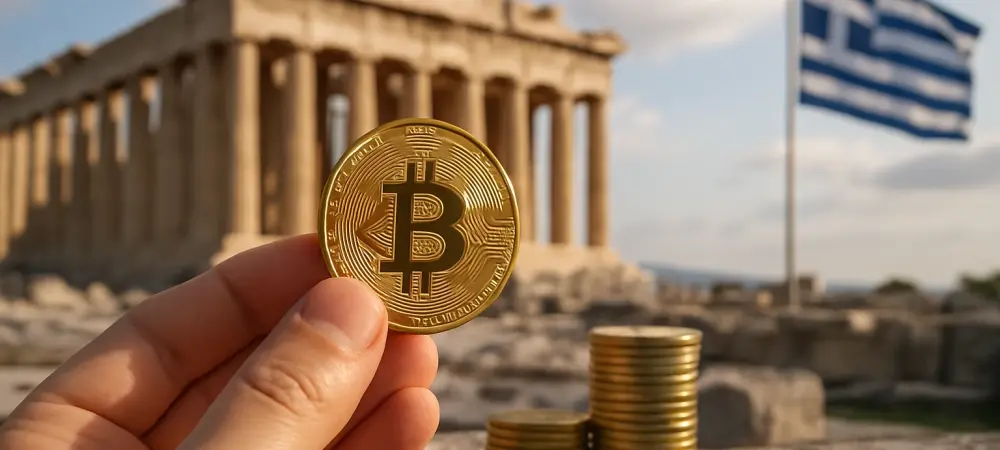
Diving into the world of cryptocurrency in Greece, I had the privilege of speaking with a seasoned expert in the field. With years of experience navigating the complexities of digital assets and a deep understanding of both the local market and European regulations, our guest offers invaluable insights for beginners and seasoned investors alike. In this interview, we explore the growing popularity of cryptocurrencies in Greece, the legal landscape shaped by EU frameworks, the practicalities of choosing platforms and payment methods, and essential strategies for safe and smart investing. Join us as we uncover the nuances of entering the crypto space in Greece with confidence.
How would you describe the current popularity of cryptocurrencies in Greece, and what’s fueling this trend?
Cryptocurrencies have really taken off in Greece over the past few years. More people are curious about digital assets like Bitcoin and Ethereum, partly due to the economic challenges we’ve faced. Many see crypto as a way to diversify their investments or hedge against traditional financial systems. Plus, the younger generation is tech-savvy and eager to explore new financial tools. Social media and global news about crypto’s potential have also played a big role in sparking interest. It’s not just a niche anymore; it’s becoming a serious conversation at dinner tables across the country.
What unique hurdles do beginners in Greece face when stepping into the crypto market?
For starters, there’s a learning curve. Many Greeks aren’t familiar with blockchain or wallets, so the technical side can feel overwhelming. Then there’s the language barrier—while some platforms offer Greek support, many don’t, which can make navigation tricky. Another challenge is trust. After past financial crises, people are cautious about where they put their money, and stories of crypto scams don’t help. Lastly, access to reliable information is key; without it, beginners might jump in without understanding the risks like volatility or security threats.
Can you break down how Greece aligns with European Union regulations for cryptocurrencies?
Greece operates under the broader EU framework, which prioritizes investor protection and market stability. This means crypto platforms here must comply with strict guidelines on transparency and security. The EU’s influence ensures that Greek users deal with licensed providers who follow standardized practices, like verifying identities and safeguarding data. It’s a double-edged sword—while it adds layers of safety, it also means more steps like documentation before you can trade. But overall, it creates a more trustworthy environment for everyone involved.
What exactly is MiCA, and how does it impact someone buying crypto in Greece?
MiCA, or Markets in Crypto Assets, is the EU’s comprehensive regulation for digital assets, rolled out to standardize rules across member states. For someone in Greece, it means that any platform they use must meet specific criteria, like clear pricing, robust security, and proper licensing. It’s designed to protect consumers from fraud and ensure fair practices. Practically, it might mean a bit more paperwork or waiting time for approvals, but it also reduces the risk of dealing with shady operators. MiCA is a game-changer for building confidence in the market.
Why is KYC verification such a critical step for Greek crypto users?
Know Your Customer, or KYC, is non-negotiable under EU rules, and it’s crucial for safety. In Greece, platforms require users to submit IDs or proof of address to confirm their identity. This helps prevent fraud, money laundering, and other illegal activities. For users, it might feel like a hassle, but it’s a layer of protection—both for them and the platform. It ensures that the ecosystem isn’t misused and builds trust. Without KYC, you’re more exposed to risks like dealing with unregulated or fraudulent services.
What should someone new to crypto in Greece consider when selecting a platform to buy digital assets?
First, look for a platform that’s regulated and complies with EU standards—that’s a must for safety. Then, consider ease of use, especially if you’re a beginner; a simple interface can make a huge difference. Check the fees—trading costs, deposit charges, and spreads can eat into your investment if you’re not careful. Also, see what payment methods they support; in Greece, options like SEPA transfers are often cheaper than cards. Finally, look at security features like two-factor authentication and how they store funds. A little research upfront saves a lot of headaches later.
How do payment methods like SEPA transfers compare to credit cards for buying crypto in Greece?
SEPA transfers are a popular choice in Greece because they’re usually low-cost or even free on many platforms. They’re ideal for larger or regular purchases, though they can take a day or two to process. Credit cards, on the other hand, offer instant transactions, which is great for quick buys, but they often come with higher fees—sometimes 2-3% per purchase. Plus, some banks might limit card transactions for crypto due to risk concerns. So, it’s a trade-off between speed and cost, depending on your needs.
Can you walk us through the basic process of buying cryptocurrency for the first time in Greece?
Absolutely. Start by choosing a reputable platform that’s regulated under EU rules. Sign up with your email, then complete the KYC process by uploading your ID and maybe a utility bill for address proof—this can take a few hours to a day. Next, deposit euros using a method like SEPA transfer or a card. Once your account is funded, search for the crypto you want, like Bitcoin, and place a market order to buy at the current price. After the purchase, transfer your coins to a private wallet for safety. It’s straightforward once you get the hang of it, but double-check every step to avoid mistakes.
What are some common fees beginners in Greece should be aware of when buying crypto?
Beginners often overlook the full cost of a transaction. There are trading fees, usually a small percentage like 0.1% to 0.5% per buy or sell. Then there’s the spread—the difference between buying and selling prices—which can be significant on some platforms or ATMs. Deposit and withdrawal fees vary; SEPA might be free, but card deposits often aren’t. Lastly, if you move your crypto to a wallet, you’ll pay network fees, which fluctuate based on blockchain activity. Always calculate the total cost before hitting ‘buy’ to avoid surprises.
What’s your forecast for the future of cryptocurrency adoption in Greece over the next few years?
I’m optimistic about crypto adoption in Greece. With economic uncertainties lingering, more people will likely turn to digital assets as an alternative investment. The younger demographic is already driving growth, and as education around crypto improves, I expect even broader acceptance. EU regulations like MiCA will also play a big role by making the market safer and more accessible, encouraging hesitant investors to jump in. If infrastructure like local platforms and payment options keeps expanding, we could see crypto become a mainstream financial tool here within the next five to ten years.