

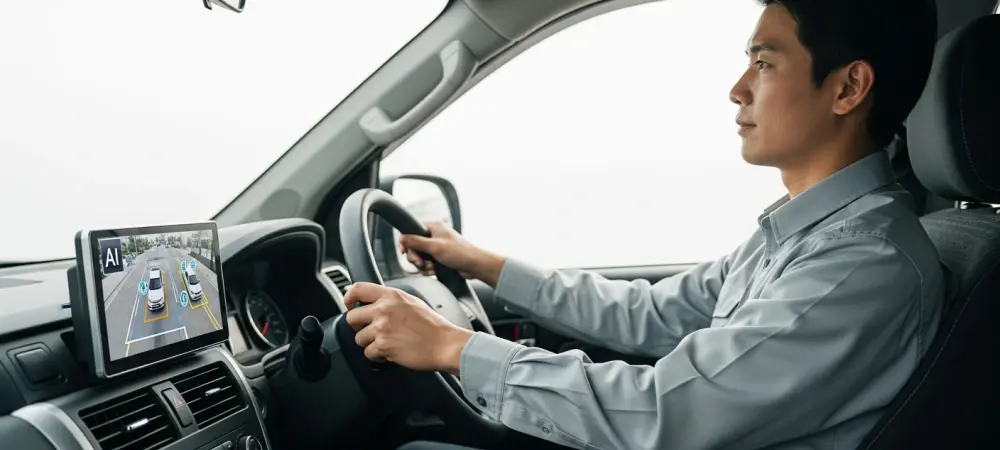
Commercial fleets across the United States have undergone a radical shift in how they manage liability and safety by moving beyond basic GPS tracking to sophisticated vision-based intelligence systems. In the current landscape of 2026, the reliance on post-accident reports has been replaced by real-time visual context that identifies risks before they manifest into costly collisions or legal disputes. This transformation is largely driven by the convergence of high-definition cameras, artificial intelligence at the edge, and high-speed data transmission that allows fleet managers to see exactly what their drivers encounter on the road. Rather than guessing why a sudden braking event occurred, organizations now possess the clarity needed to distinguish between a reckless maneuver and a life-saving evasive action. This level of granularity is not just a safety feature but a fundamental reassessment of how risk is quantified and managed within the transportation sector. The ability to capture, interpret, and act upon visual data has become the gold standard for operational efficiency and insurance compliance in modern logistics.
Evolution of Telematics through Computer Vision
Shifting from Reactive to Proactive Detection
Traditional telematics once focused primarily on simple metrics like speed, location, and g-force triggers, but these data points often lacked the necessary nuance to provide a complete picture of operational risk. With the integration of Video AI, the emphasis has shifted toward environmental awareness, where algorithms can detect lane departures, tailgating, and pedestrian proximity with remarkable accuracy. By analyzing the external environment in real-time, these systems provide drivers with immediate feedback, effectively acting as an extra set of eyes that never tires or loses focus. This proactive approach significantly reduces the frequency of minor accidents that typically plague delivery and long-haul fleets. Furthermore, the ability to document external factors such as poor weather or road construction allows companies to contextualize performance metrics, ensuring that drivers are evaluated based on the actual complexity of their routes. This shift from raw numbers to situational intelligence is redefining the standard of care for commercial fleets.
The granularity provided by modern computer vision allows for the detection of subtle patterns that preceding technologies simply could not capture. For instance, the system can identify a driver’s tendency to brake hard specifically when approaching yellow lights, suggesting a pattern of aggressive timing rather than just a one-off incident. This allows for far more specific interventions where managers can address root causes of behavior rather than just the symptoms shown on a spreadsheet. By creating a continuous loop of detection and correction, fleets are witnessing a substantial decrease in the severity of road incidents. Moreover, the integration of mapping data with visual recognition ensures that speed limits and traffic signs are cross-referenced with actual driver behavior, providing an irrefutable record of compliance. This level of oversight has become a cornerstone of safety culture, where transparency is used to empower drivers through objective feedback. The result is a more resilient and predictable operational environment that benefits both the company and the public.
Improving Driver Behavior with Edge Computing
The efficiency of these safety systems is heavily reliant on edge computing, which allows the AI to process visual data directly on the dashcam hardware rather than sending everything to the cloud. This localized processing ensures that critical alerts are delivered with sub-second latency, providing the immediate warning necessary to avoid a collision in fast-moving traffic. In the current 2026 technological environment, the processing power of these edge devices has reached a level where they can run multiple neural networks simultaneously without overheating or draining vehicle power. This capability means that the system can filter out irrelevant footage, such as shadow movements or harmless roadside debris, and only upload clips that truly represent a safety risk. This selective data transmission reduces bandwidth costs and ensures that fleet managers are not overwhelmed by hours of useless video footage. Consequently, the management focus remains on high-impact events that require immediate intervention or coaching.
Beyond immediate safety, the implementation of edge-based AI creates a transparent record of professional conduct that serves to protect drivers from unfair blame. In many urban environments, commercial vehicles are often targeted by opportunistic lawsuits or crash-for-cash scams where non-commercial drivers intentionally cause accidents. Video AI provides the irrefutable evidence needed to exonerate drivers who followed all traffic laws and maintained safe distances, potentially saving millions in legal fees and settlement costs. This protection has fostered a higher degree of trust between drivers and management, as the technology is increasingly viewed as a shield against external liabilities rather than just a surveillance tool. When drivers know that the system is there to prove their innocence in a complex situation, they are more likely to embrace the technology and adhere to the safety standards it monitors. This cultural shift is essential for the long-term success of any fleet-wide technology adoption.
Transforming Insurance Models and Claims
Accelerated First Notice of Loss Processing
The insurance industry has undergone a massive shift in its claims handling processes due to the availability of instant, high-quality video evidence from the scene of an accident. When a collision occurs, the Video AI system automatically triggers a First Notice of Loss alert, sending the relevant video clip and telemetry data to the insurance carrier within seconds. This immediate transparency allows adjusters to begin the investigation almost instantly, often before the driver has even left the scene of the incident. By removing the delays associated with manual reporting and conflicting witness testimonies, insurance companies can significantly reduce the time it takes to settle a claim. This speed is beneficial for all parties involved, as it allows for quicker vehicle repairs and reduces the administrative burden on the fleet operator. In a world where operational downtime translates directly to lost revenue, the ability to resolve claims in days rather than months represents a major competitive advantage for fleets.
Furthermore, the precision of AI-driven analysis allows for a more accurate assessment of damage and liability, which helps in preventing insurance fraud and reducing loss ratios. The software can automatically identify the speed of impact, the angle of the collision, and the status of traffic signals, providing an objective data set that overrides subjective human memory. This technical clarity is particularly useful in complex multi-vehicle accidents where determining fault can otherwise be a protracted and expensive legal battle. Insurance carriers are increasingly using this data to build more sophisticated actuarial models that reflect the lower risk profile of fleets equipped with Video AI. This shift has led to more favorable terms for operators who can demonstrate a commitment to safety through continuous monitoring and data sharing. As the correlation between video documentation and reduced claims costs becomes more established, the adoption of these systems is moving from an optional luxury to an industry-wide requirement.
Precision Pricing for Commercial Premiums
The move toward usage-based insurance and behavioral pricing has been greatly accelerated by the granular insights provided by advanced video telematics. Instead of relying on static factors like historical loss runs or vehicle age, insurers can now price premiums based on the actual, real-time risk profile of the fleet and its individual drivers. This precision pricing model rewards fleets that maintain high safety scores and active coaching programs, creating a direct financial incentive for operational excellence. For example, a company that operates primarily in high-density urban areas might see higher base rates, but these can be offset by proving that their drivers consistently practice defensive driving techniques. This dynamic approach to insurance creates a more equitable system where safe operators are no longer forced to subsidize the losses of riskier competitors. It also provides fleet managers with a clear roadmap for reducing their fixed costs by focusing on driver habits.
Long-term data aggregation from Video AI is also enabling the development of predictive risk models that can forecast the likelihood of future accidents based on near-miss frequency. By analyzing patterns of aggressive braking or frequent lane departures, insurers and fleet managers can identify at-risk drivers before a serious incident occurs. This shift from historical analysis to predictive modeling marks a new era in risk management, where the goal is to eliminate the conditions that lead to accidents rather than just managing the aftermath. As these models become more refined, the industry is seeing a move toward more personalized and flexible insurance products that can be adjusted on a monthly or even weekly basis. This flexibility allows fleet operators to manage their cash flow more effectively and ensures that their insurance costs are always aligned with their current risk exposure. The ultimate result is a more resilient transportation industry that leverages technology to protect its human assets.
Organizations that embraced Video AI successfully integrated these systems into their daily workflows to foster a culture of safety and financial accountability. The transition required a strategic focus on data privacy and driver communication to ensure that the technology was perceived as a constructive tool for professional development. Moving forward, fleet operators should prioritize the selection of hardware that offers scalable AI capabilities and seamless integration with existing management software. It was found that firms implementing these technologies realized significant reductions in both accident frequency and insurance premiums within the first year of deployment. Continuous monitoring and iterative training programs emerged as the most effective ways to sustain these gains over the long term. Stakeholders in the logistics and insurance sectors recognized that visual intelligence was no longer an optional add-on but a core component of risk mitigation. The focus shifted toward leveraging these insights to build safer roads.