

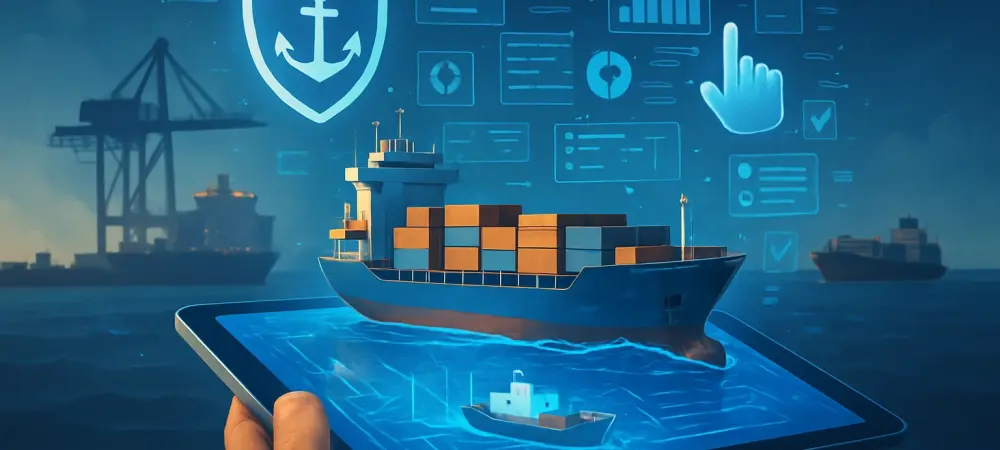
What happens when an industry as old as global trade meets the cutting edge of technology? Marine insurance, a backbone of international commerce, is undergoing a seismic shift, with Generali Global Corporate and Commercial (Generali GC&C) steering the ship. Picture a world where cargo delays and paperwork bottlenecks are relics of the past, replaced by streamlined digital processes that keep goods—and profits—moving. This transformation, fueled by innovative tools, promises to reshape how insurers manage risk across oceans and borders, captivating anyone tied to the pulse of global trade.
The importance of this shift cannot be overstated. With over 90% of the world’s trade transported by sea, according to the International Chamber of Shipping, inefficiencies in marine insurance can ripple through economies, delaying shipments and inflating costs. Generali GC&C, in partnership with Insurity, a leading provider of cloud-based insurance solutions, is tackling these challenges head-on with the Insurity Marine Suite. This story isn’t just about technology; it’s about ensuring that businesses, from small exporters to multinational corporations, can rely on faster, smarter insurance solutions in a hyper-connected market.
Why Marine Insurance Craves a Digital Overhaul
Marine insurance has long grappled with outdated systems that struggle to keep pace with the speed of modern trade. Manual processes, such as generating certificates through brokers, often lead to errors and delays, frustrating clients who expect real-time updates. In an era where a single delayed shipment can cost millions, the industry faces mounting pressure to evolve and meet the demands of a digital-first world.
This urgency is amplified by the sheer scale of global logistics. With cargo moving across more than 180 countries, insurers must juggle diverse regulations, languages, and risks, from natural disasters to geopolitical tensions. Technology offers a lifeline, promising to simplify these complexities and deliver transparency at every step, a necessity for companies like Generali GC&C aiming to maintain trust and competitiveness on a worldwide stage.
The stakes are not merely operational but also strategic. As client expectations rise, insurers lagging in digital adoption risk losing market share to more agile competitors. Embracing technology isn’t just about efficiency—it’s about survival in a landscape where speed and accuracy define success, setting the stage for innovative players to lead the charge.
The Global Impact of Upgrading Cargo Coverage
Modernizing marine insurance transcends internal benefits; it’s a critical cog in the machinery of global commerce. Delays or errors in insurance processes can halt supply chains, leaving goods stranded at ports and businesses facing financial strain. For an industry that underpins trillions in annual trade, even small hiccups can have outsized consequences, impacting everything from consumer prices to corporate bottom lines.
Generali GC&C recognizes this interconnected reality. Operating in a vast network of countries, the insurer faces the daunting task of managing diverse risks while ensuring seamless service. Advanced technology becomes not just a tool but a strategic asset, enabling the company to anticipate client needs and respond swiftly to disruptions, whether caused by storms or customs delays.
Moreover, the push for modernization aligns with broader economic trends. As digital transformation sweeps through industries, clients expect insurers to match the efficiency of e-commerce giants or logistics innovators. By investing in technology, Generali GC&C positions itself as a partner in progress, ready to support businesses navigating the complexities of international trade with confidence and clarity.
Inside the Insurity Marine Suite’s Game-Changing Features
At the heart of Generali GC&C’s transformation lies the Insurity Marine Suite, a platform designed to overhaul cargo insurance operations. One of its standout capabilities is centralizing visibility into shipments and certificates, allowing teams to monitor status updates in real time. This eliminates the guesswork that often plagues traditional systems, ensuring that every stakeholder stays informed without endless back-and-forth communication.
Automation is another cornerstone of the suite’s impact. Tasks like rating, quoting, and binding—once time-intensive and prone to human error—are now handled with precision and speed. Additionally, the elimination of manual, broker-driven certificate generation reduces bottlenecks, freeing up resources for more strategic, client-focused work. These efficiencies translate directly into faster service for clients spread across the globe.
Seamless integration with internal and external systems further amplifies the platform’s value. By connecting disparate tools into a unified ecosystem, the suite ensures a smoother experience for both insurers and clients. For instance, real-time data sharing can expedite claims processing during a crisis, such as a ship caught in a storm, minimizing downtime and financial loss. This level of connectivity underscores how technology can scale operations without sacrificing quality.
Expert Perspectives on a Digital Revolution
Industry leaders provide compelling insights into this technological leap. Redwan Lkhaoua, GC&C Head of Marine, emphasizes the practical benefits of the Insurity Marine Suite, noting that it “cuts through operational bottlenecks with remarkable efficiency, allowing a sharper focus on delivering tailored solutions to clients.” This perspective highlights how technology empowers insurers to prioritize relationships over paperwork.
On the other side of the partnership, Sylvester Mathis, Chief Insurance and Chief Revenue Officer at Insurity, underscores the broader implications. “This suite isn’t just about streamlining processes; it’s about redefining cargo insurance for a digital age, fostering innovation that benefits the entire market,” Mathis states. His view reflects a shared commitment to pushing boundaries and setting new standards for the industry.
These voices collectively paint a picture of transformation grounded in collaboration. The alignment between Generali GC&C’s client-centric goals and Insurity’s technological expertise suggests a model for how partnerships can drive progress. Their insights lend weight to the idea that digital tools are not mere conveniences but essential catalysts for growth in a competitive landscape.
Actionable Lessons for Navigating Tech in Marine Insurance
The journey of Generali GC&C offers valuable lessons for others in the marine insurance sector. Investing in scalable platforms that automate repetitive tasks, such as policy configuration or shipment validation, can significantly reduce errors and free up time for strategic decision-making. This approach ensures that operations remain agile even as business volume grows.
Prioritizing system integration stands out as another key takeaway. A seamless flow of data across platforms—whether internal databases or client-facing portals—eliminates silos and enhances transparency. For insurers or brokers, this means quicker access to critical information, enabling faster responses to client inquiries or unexpected disruptions in the supply chain.
Finally, user-friendly tools should not be overlooked. Technology that simplifies interactions, from quoting to claims, can transform the client experience, building loyalty in a crowded market. By focusing on intuitive design and accessibility, businesses can mirror Generali GC&C’s success in balancing innovation with practicality, ensuring that technology serves as a bridge rather than a barrier in marine insurance.
Reflecting on a Milestone in Marine Insurance
Looking back, the collaboration between Generali GC&C and Insurity marked a turning point for cargo insurance, demonstrating how technology could dismantle long-standing inefficiencies. The Insurity Marine Suite proved its worth by automating critical processes and fostering connectivity, allowing the insurer to serve clients with unprecedented speed and precision. This partnership set a benchmark for what digital transformation could achieve in a traditional field.
For the future, the industry was encouraged to build on this momentum by exploring emerging tools like artificial intelligence or blockchain to further enhance transparency and security in marine insurance. Insurers and stakeholders were urged to collaborate, sharing best practices to tackle evolving risks in global trade. This collective effort promised to keep the sector resilient and responsive.
Beyond immediate gains, the broader vision was to create a landscape where technology and human expertise worked in tandem. Businesses were advised to stay proactive, investing in training and infrastructure to adapt to rapid advancements. By doing so, the marine insurance sector positioned itself to not only meet current demands but also anticipate the challenges of tomorrow, ensuring sustained growth and relevance.