

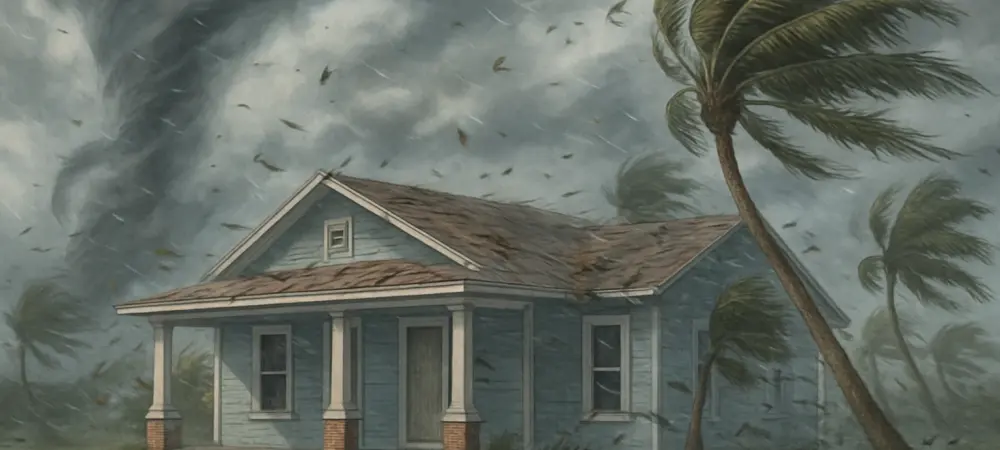
Florida’s hurricane season, spanning June to November, brings a relentless threat to homeowners across the state, with storms capable of unleashing devastating winds and flooding. The financial toll can be staggering—FEMA reports that just one inch of floodwater can cause up to $25,000 in damage. As homeowners brace for these annual challenges, securing the right insurance coverage becomes paramount. This roundup gathers insights and strategies from various industry experts, insurance agents, and disaster preparedness organizations to highlight five critical home insurance tips. The goal is to equip Florida residents with actionable advice to protect their homes and finances before the next storm strikes.
Why Home Insurance Is Non-Negotiable in Florida
Hurricanes are a defining feature of life in the Sunshine State, with their potential to destroy property through high winds, torrential rain, and storm surges. Experts from disaster response agencies emphasize that many homeowners remain unprepared, often underinsured or unaware of critical policy gaps. Without adequate protection, families risk losing everything in a single catastrophic event.
Insurance professionals point out that standard policies often exclude damage from flooding, leaving many to face unexpected out-of-pocket costs. A consensus among industry voices is clear: proactive planning with the right coverage can mean the difference between recovery and ruin. This roundup compiles diverse perspectives to offer a comprehensive guide for navigating these turbulent months.
Expert Strategies for Bolstering Your Insurance Coverage
Unpacking Policy Details for Hidden Gaps
A recurring theme among insurance advisors is the need to meticulously review home insurance policies well before hurricane season intensifies. Many stress that exclusions for flood damage and high hurricane deductibles often catch homeowners off guard during claims. One industry insight highlights that understanding these fine-print details can prevent costly surprises when filing for damages.
Data from federal emergency agencies reinforces the urgency, noting that even minor flooding can lead to significant financial burdens. Some insurance consultants caution against assuming comprehensive coverage without verification, as policy language can be dense and misleading. Their collective advice is to sit down with an agent to clarify terms, ensuring no aspect of protection is overlooked. Agents also recommend focusing on specific clauses like windstorm damage definitions and personal property limits. This step, though time-consuming, is frequently described as essential to avoid disputes post-disaster. The shared perspective is that knowledge of one’s policy forms the foundation of effective hurricane preparedness.
Securing Flood Insurance Beyond Coastal Zones
Flood insurance emerges as a critical topic across multiple sources, with experts unanimously agreeing that it’s a must-have, even for those not in designated high-risk areas. Inland flooding from heavy rains or overwhelmed drainage systems during hurricanes poses a real threat, as noted by disaster planning specialists. Their view is that no Florida homeowner can afford to skip this separate coverage. Practical guidance from insurance providers includes enrolling in the National Flood Insurance Program (NFIP) or exploring private options, while being mindful of the typical 30-day waiting period before policies activate. Real-world cases of unexpected flood damage in suburban areas are often cited to drive home the unpredictability of water-related risks. The consensus is to act early rather than gamble on location-based assumptions.
Financial analysts weigh in on the cost-benefit balance, pointing out that while premiums may seem burdensome, the potential loss from flooding far outweighs the expense. This shared viewpoint underscores peace of mind as a key motivator for securing flood protection. Experts encourage homeowners to evaluate their property’s unique vulnerabilities when making this decision.
Harnessing Wind Mitigation for Cost and Protection
Wind mitigation inspections receive strong endorsements from both insurers and building code specialists as a dual-purpose strategy for Florida homes. These assessments evaluate a property’s ability to withstand hurricane-force winds, often leading to substantial premium discounts. Coastal and inland variations in building standards are frequently discussed, with experts noting that tailored reinforcements can make a significant difference.
Some professionals highlight emerging trends in hurricane-resistant construction, such as impact-resistant windows and reinforced roofing, as investments that pay off in safety and savings. There’s a common push to dispel the myth that such inspections are an unnecessary cost, with many pointing to long-term benefits. Their advice often includes actionable steps like hiring certified inspectors to identify weaknesses.
Insurance industry voices also stress the importance of submitting inspection reports to providers to unlock discounts. This process, while sometimes overlooked, is seen as a practical way to reduce financial strain while enhancing structural resilience. The collective opinion leans toward viewing wind mitigation as a proactive measure with immediate and future rewards.
Crafting a Home Inventory for Efficient Claims
A well-documented home inventory is championed by claims adjusters and emergency preparedness advocates as a logistical lifeline after a hurricane. The process of cataloging possessions ensures faster, more accurate claims, reducing stress during recovery. This perspective is widely shared, with many emphasizing its role in preventing under-claiming on valuable items.
Recommendations often include leveraging modern tools like digital photos and cloud storage to create and safeguard records. Some sources compare the practicality of digital backups to traditional paper lists, especially during evacuations when physical documents might be lost. The advice centers on thoroughness, capturing details like serial numbers and receipts for high-value belongings.
Disaster recovery experts add that a detailed inventory can bridge communication gaps with insurers, ensuring fair compensation. This step is often described as a simple yet powerful way to maintain control over the claims process. Across opinions, there’s agreement that preparation in this area directly correlates with smoother post-storm outcomes.
Actionable Steps to Integrate Insurance into Hurricane Readiness
Synthesizing the insights gathered, a clear set of priorities emerges for Florida homeowners facing hurricane season. Reviewing policy exclusions, obtaining flood insurance, pursuing wind mitigation discounts, compiling a home inventory, and understanding temporary living expense coverage form a robust framework. Each tip, backed by expert input, addresses a unique facet of financial protection.
A practical checklist includes contacting insurance agents for clarity on terms, scheduling wind inspections, and digitally securing important records. Physical home preparations, such as clearing gutters and securing outdoor objects, are also recommended by preparedness organizations to complement insurance strategies. These combined actions create a holistic defense against storm impacts.
The broader consensus among sources is to weave these insurance measures into an overarching hurricane readiness plan. Regular policy updates and ongoing home maintenance are often cited as critical to staying ahead of evolving risks. This integrated approach, supported by diverse perspectives, aims to empower homeowners with confidence and security.
Reflecting on Collective Wisdom for Storm Preparedness
Looking back on the insights shared by insurance professionals, disaster experts, and recovery specialists, a unified message resonates: preparation through informed insurance choices is the cornerstone of resilience for Florida homeowners during hurricane season. The varied tips, from policy deep dives to flood coverage necessities, paint a comprehensive picture of how to safeguard against nature’s fury. Moving forward, homeowners are encouraged to take immediate action by selecting one key step—whether reviewing their current coverage or initiating a wind mitigation inspection—to strengthen their defenses. Exploring additional resources through local insurance agencies or federal disaster programs is also advised as a way to deepen understanding and customize protection plans for the unique challenges of future seasons.