

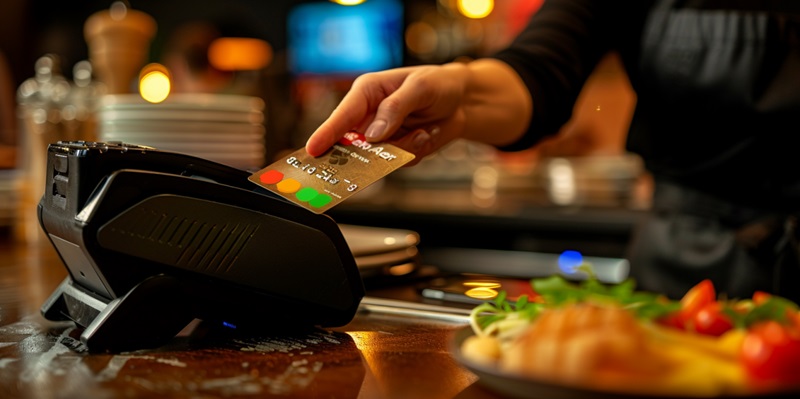
The restaurant industry is ripe for technological innovation, particularly in streamlining customer transactions and enhancing overall dining experiences. The recent announcement by NCR Voyix, a leader in the field of digital commerce solutions, has unveiled a groundbreaking step in this direction. Teaming up with the young startup Sunday, their new system, Aloha Pay-At-Table, signifies a leap towards modernizing the restaurant payment landscape.
The Breakthrough of Aloha Pay-At-Table
Embracing Consumer Convenience
The new system unveiled by NCR Voyix, known as Aloha Pay-At-Table, embodies a remarkable integration of convenience and efficiency into the dining experience. Through the remarkable synergy between an established Point of Sale (POS) system and cutting-edge technology, customers at participating restaurants can now use their smartphones to effortlessly scan a QR code located right at their table. Once scanned, they’re presented immediately with their check, itemized for full transparency.
With this game-changing approach, dining patrons are offered a wealth of convenient features. They have the ability to quickly review their order, calculate and designate the amount for each party in case of splitting the bill, generously add tips from suggested pre-calculated options, and conclude the payment, all within a mere ten seconds. This swift transactional capability translates not only to quicker service delivery but also to an unprecedented level of control and flexibility for the customers. The shift towards this kind of autonomy in settling bills enhances guest satisfaction, as it fits perfectly into the pace of our striving towards faster, seamless service encounters.
Impact and Efficiency in the Restaurant Sector
Integrating Aloha Pay-At-Table is rapidly proving to be a transformative move within the restaurant sector. The convenience of this innovative payment method is mirrored in tangible improvements, such as the noticeable increase in the average order size. This uptick can be attributed to the subtle psychological boost customers experience from the reduced pressure during the payment process, allowing more focus on their dining choices.
Server efficiency also sees a dramatic improvement, with the system shaving off an estimated 15 minutes per table by diminishing the need for servers to engage in repeated trips for payment-related purposes. This saving of time affords servers the opportunity to concentrate on enhancing the quality of service, thereby potentially increasing customer satisfaction and the likelihood of return visits. Moreover, servers are benefiting from an average increase of 10% in tips, a direct result of the precalculated tipping feature. With this feature, customers are furnished with suggested gratuity amounts, streamlining the tipping process and often leading to more generous tips due to the convenience and reduced “tip anxiety.”
The Collaborative Success Story
From European Safety Initiative to Worldwide Trend
The story of Aloha Pay-At-Table traces back to the height of the global pandemic in 2021, when the need for contactless payment solutions was more urgent than ever. Sunday, a startup, originally implemented a QR code-based payment method across 23 locations in Europe as part of a health and safety initiative. The encouraging response to this pilot project was characterized by increased guest counts and average order sizes, signaling a wider opportunity for this technology.
Capturing the attention of both diners and industry professionals, the success of the initial rollout propelled the widespread adoption of the system. Currently, over 2,000 restaurants harness Aloha Pay-At-Table to bring efficiency and convenience to 50 million guests annually. This rapid expansion not only demonstrates the system’s viability but also indicates a significant behavioral shift in dining payment preferences; a shift towards embracing digital transformation in the food and beverage industry.
Strengthening Service and Operations
The restaurant sector is on the cusp of a technology revolution, aiming to enhance the way diners interact financially and improve their overall experience. NCR Voyix, a prominent player in digital commerce, along with the up-and-coming startup Sunday, is at the forefront of this transformation. They have introduced a trailblazing payment system called Aloha Pay-At-Table. This collaboration marks a significant stride in advancing the way payments are made in restaurants. By integrating cutting-edge technology, Aloha Pay-At-Table is set to simplify transactions, making them more efficient and customer-friendly. This is a clear indicator that the dining industry is moving towards a more tech-forward, streamlined service model that can benefit both restaurant operators and customers alike, providing an indicator of future dining trends and the growing role technology will play in our eating establishments.