

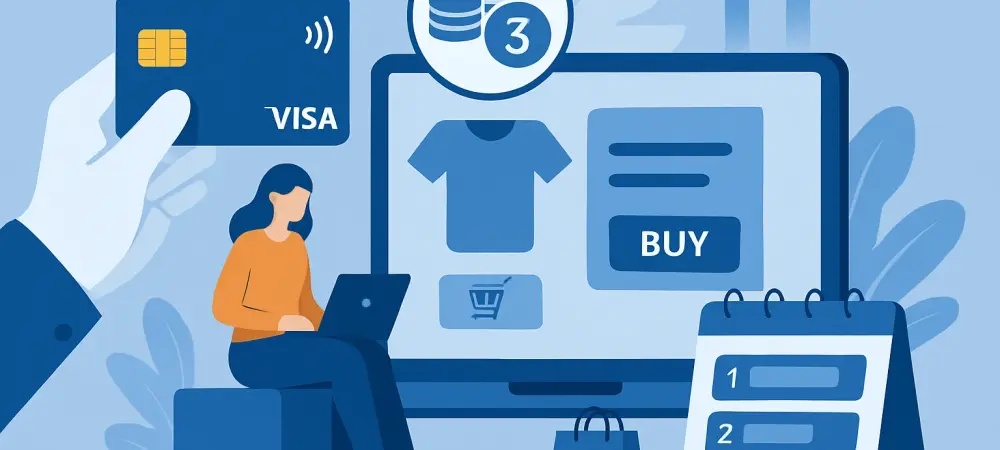
In 2025, the e-commerce landscape features numerous advancements that reshape how consumers and merchants engage with digital transactions. A significant innovation within this realm is the integration of Visa Installments, which allows consumers to split purchases into manageable payments using their existing Visa credit cards. This development is pivotal, blending convenience with strategic financial planning opportunities. This market analysis uncovers how Visa Installments transform e-commerce payments, emphasizing its impact on consumer behavior, merchant strategy, and future potential within the digital marketplace.
Evolving Payment Systems: From Cash to Digital Transformation
Understanding the emergence of Visa Installments necessitates exploring the journey of payment systems. Historically, e-commerce payments progressed from physical methods like cash and checks to electronic alternatives heralded by credit cards. The introduction of digital wallets and Buy Now Pay Later (BNPL) services further reflects an industry leaning toward flexibility and accessibility. The pattern in this evolution highlights Visa Installments as a crucial next step, leveraging existing credit infrastructures and expanding the options available to consumers.
Examining Visa Installments’ Market Influence
Enhancing Consumer Financial Management
Visa Installments caters to consumer needs for financial flexibility by utilizing existing credit lines without complex application processes. This innovation has been particularly transformative in sectors with high-value transactions, such as travel and luxury goods. Consumers show increased willingness to commit to larger purchases, driven by the seamless experience Visa Installments offers, reinforcing confidence in financial decision-making. However, it also presents challenges in educating customers on leveraging this option effectively in their personal finance routines.
Influencing Merchant Strategies for Higher Engagement
Merchants increasingly embrace Visa Installments as a tool to boost conversion rates and elevate customer engagement. The platform’s integration supports businesses in accommodating buyer preferences for staggered payments, effectively increasing average order values. This aspect allows merchants to enter the thriving BNPL market strategically. However, integrating Visa Installments requires businesses to address potential difficulties, including delayed payments, while ensuring a streamlined checkout experience for users.
Global Variations in Adoption and Strategy
Diverse regional and sectorial contexts impact Visa Installments’ adoption rates and implementation strategies. In areas with a strong penchant for credit-based transactions, swift integration is more likely. Businesses must craft localized strategies, respecting consumer behaviors and regulations, to harness this tool’s full potential. This nuanced approach dispels misconceptions about BNPL promoting debt dependence and instead positions Visa Installments as a driver of inclusive financial solutions.
Projecting the Future of E-Commerce Payments
Visa Installments is a pivotal component within a broader, rapidly evolving payment ecosystem. As technologies advance, anticipated changes in areas such as AI-driven payment processes and blockchain technology could further redefine consumer experiences. Additionally, evolving regulations around financial data security will influence how these systems develop. The expectation is for payment methods to become increasingly personalized, secure, and capable of building consumer trust.
Strategic Guideline Based on Market Insights
For businesses, the insights gleaned from this analysis underscore the importance of adopting best practices when incorporating Visa Installments. Recommendations include customer education initiatives and the optimization of checkout processes to capitalize on this trend. Consumers benefit by understanding the nuanced options at their disposal, allowing for informed purchasing decisions and better financial planning. The implications for market players are profound, necessitating strategic foresight in operations.
Reflecting on the Path Forward in E-Commerce
The influence of Visa Installments within the e-commerce sphere extends beyond transactional dynamics, representing a shift toward consumer-centric financial innovation. As the digital marketplace continues to evolve, mastering and implementing such dynamic payment solutions will be fundamental for competitive advantage. Innovations like Visa Installments have not only diversified payment methods but also symbolized a broader trend toward empowering consumers and enhancing merchant success. The ongoing challenge lies in navigating this changing landscape thoughtfully and efficiently.