

The rapid widespread adoption of contactless payment technology has redefined the speed of the modern economy, replacing traditional physical currency with a seamless “tap-to-pay” experience that emphasizes efficiency. While these systems utilize sophisticated tokenization to encrypt sensitive financial data, they are not immune to the psychological manipulation inherent in social engineering. Legitimate charitable organizations rarely pressure individuals to make immediate on-the-spot donations using third-party payment apps like Venmo or Cash App. These established groups generally provide comprehensive literature and multiple avenues for contribution through verified, official channels that do not necessitate an instantaneous digital transfer on a public sidewalk. When a solicitor creates a manufactured sense of frantic urgency, they are frequently capitalizing on a bystander’s inherent desire to be helpful while simultaneously obscuring the specific details of the financial request. This intersection of genuine altruism and high-tech convenience has forged a new frontier for fraudulent activity, where a simple gesture of goodwill can lead to an unexpected and significant financial drain if the transaction is not scrutinized with the same rigor as a formal retail purchase.
The mechanism of this fraud relies on the victim’s misplaced trust in the technology and the environment. Scammers often operate in high-traffic areas, posing as representatives of urgent causes such as disaster relief or local youth programs. They leverage the fact that most people are distracted while walking and are likely to agree to a small, five-dollar donation just to be polite. However, by the time the smartphone or credit card is brought near the reader, the fraudster has already keyed in a significantly higher amount. Because the process is so fast, the victim often walks away before the bank notification even hits their lock screen, leaving the scammer with a high-value payout and no easy way for the victim to recover the funds once they have left the scene. Understanding the specific steps to prevent this type of financial exploitation is essential for anyone navigating the digital payment landscape of 2026.
1. Defensive Physical Habits: Protecting the Device and Validating Totals
Retaining absolute physical possession of a mobile device is the primary defense against sophisticated street-level payment fraud. A frequent tactic employed by scammers involves the claim of a technical malfunction or a “weak signal” that supposedly requires them to hold the donor’s smartphone to better align it with the payment terminal. Once an unlocked device is in the hands of a stranger, the risk profile shifts from a simple payment error to a total account compromise. Within seconds, a malicious actor can navigate away from the payment screen to access banking apps, change security settings, or view sensitive personal information. If a transaction appears to fail or requires multiple attempts, the user must maintain control of their hardware and perform any necessary troubleshooting themselves. Refusing to hand over a device is not a sign of rudeness but a fundamental security protocol that prevents a temporary lapse in judgment from becoming a systemic financial breach.
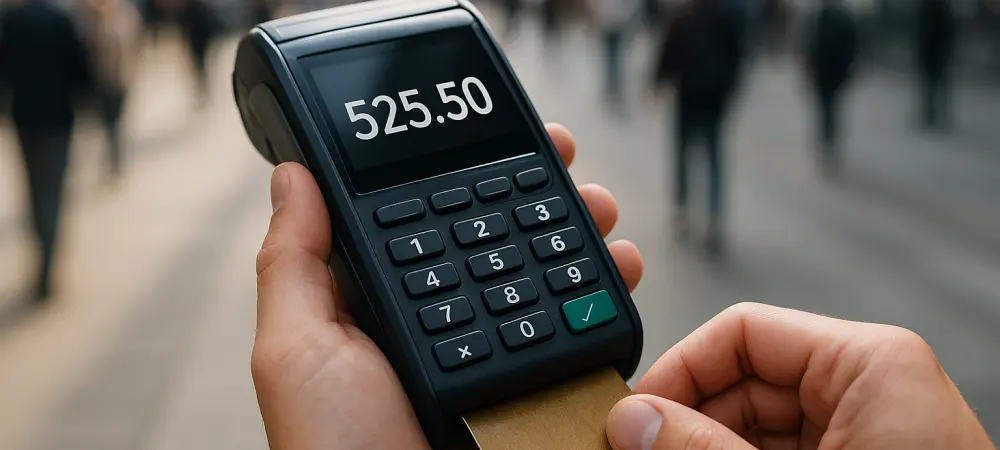
The second critical habit involves the active and deliberate verification of the dollar amount displayed on a payment reader before any contact occurs. Scammers often exploit the “invisible” nature of modern transactions by entering a figure such as $1,500.00 while verbally requesting a mere $15.00 contribution. They rely on the donor’s lack of focus in a busy or loud environment to complete the transaction before the true cost is realized. By taking a brief pause to visually confirm the numerical value on the terminal screen, an individual can immediately identify an inflated charge. If the terminal screen is intentionally obscured, angled away from the user, or appears broken, the transaction should be terminated immediately. This manual verification acts as a necessary human audit of an automated process, ensuring that the technology is serving the user’s intent rather than a scammer’s greed.
2. Institutional Verification: Resisting Pressure and Conducting Research
Resisting high-pressure sales tactics is essential when dealing with unsolicited requests for money in public spaces. Fraudulent solicitors are trained to create a “false emergency,” suggesting that a specific goal must be met within minutes or that the opportunity to help a victim will expire if the donation is not processed immediately. This psychological pressure is designed to bypass the logical centers of the brain that would otherwise question the validity of the solicitor. Legitimate non-profit organizations recognize that major donors and even small contributors often need time to consider their financial decisions and will never penalize a person for wanting to conduct due diligence. Walking away from a high-pressure situation is often the most effective way to protect one’s assets, as it removes the emotional weight of the encounter and allows for a clearer assessment of the solicitor’s claims and credentials.
Conducting independent research is the only definitive way to ensure that a charitable contribution reaches its intended destination. Rather than trusting a QR code provided on a flyer or a website URL dictated by a solicitor, a prospective donor should use their own device to search for the organization on official registration databases or charity oversight websites. These platforms provide insights into how much of a donation actually goes to the cause versus administrative overhead, and they flag organizations with a history of fraudulent activity. If the solicitor represents a local group that is not listed on major platforms, the donor should ask for a business card or official literature to review at home. Taking the time to verify the non-profit status and the reputation of the organization ensures that the money is used for a social good rather than funding a criminal enterprise that preys on the kindness of strangers.
3. Digital Safeguards: Official Portals and Real-Time Notifications
The use of official payment portals serves as a secondary barrier against the hardware-based manipulation found in street scams. When a person feels moved to contribute to a cause, the safest method is to visit the verified website of the charity directly through their own mobile browser. This bypasses the need for a solicitor’s mobile reader entirely, which might be running modified software designed to skim card data or bypass certain security checks. By using a secure, familiar web environment, the donor can utilize their own saved payment methods and benefit from the advanced security features of their browser and the charity’s official payment processor. This method also provides a clear digital paper trail and a legitimate receipt that can be used for tax purposes, something that is often missing or fabricated in the context of a quick tap-to-pay street scam. Enabling real-time transaction notifications through a banking or credit card application provides the immediate feedback necessary to catch fraud as it happens. In 2026, most financial institutions offer push notifications that display the exact merchant name and dollar amount the moment a charge is authorized. By setting these alerts to trigger for every transaction, regardless of size, a user can instantly see if a $10.00 donation was actually recorded as a $1,000.00 charge. This immediate awareness allows the victim to confront the scammer while still at the scene or to call their bank’s fraud department within minutes of the event. Without these alerts, a victim might not realize the extent of the theft until they review their monthly statement, at which point the scammers have long since disappeared and the funds have been moved through a series of offshore accounts.
4. Administrative Hardening: Securing Financial Applications and Credentials
Securing financial applications with multi-layered authentication is a critical step in mitigating the damage if a device is ever momentarily compromised. Beyond the standard lock screen passcode, apps like PayPal, Venmo, and mobile banking portals should be protected by biometric locks such as Face ID or fingerprint recognition. This ensures that even if a scammer manages to gain access to an unlocked phone, they are met with an additional security barrier before they can initiate transfers or view account balances. Furthermore, using distinct PINs for financial apps that are different from the main device passcode prevents a “shoulder surfer” from gaining total access to a user’s digital life. This defense-in-depth strategy ensures that a single point of failure does not lead to a total financial catastrophe, providing precious time to remotely wipe or lock the device if it is stolen.
Updating credentials and maintaining a high level of digital hygiene is necessary for long-term recovery following a suspicious encounter. If a user suspects their device was out of their sight or that a solicitor may have seen their passcode, they should immediately change the passwords for their primary email and banking accounts. Utilizing a reputable password manager can help generate and store complex, unique passwords for every service, reducing the risk of a “credential stuffing” attack where a scammer uses one compromised password to access multiple accounts. Additionally, the deployment of multi-factor authentication (MFA) using an authenticator app rather than SMS-based codes provides a more secure way to verify identity. These administrative actions form a perimeter around the user’s digital identity, making it significantly harder for criminals to exploit any information they may have gathered during a brief, high-pressure interaction.
5. Post-Incident Remediation: Reporting Fraud and Protecting Identity
The immediate notification of financial institutions proved to be the most vital step in reversing the effects of an inflated or unauthorized charge. Contacting the bank or credit card provider the moment a discrepancy was identified allowed for the initiation of a formal dispute before the transaction cleared the merchant’s processing window. Explaining that the charge was intentionally inflated by the solicitor provided the bank with the necessary context to categorize the event as fraud rather than a simple consumer error. Documenting every detail of the incident, including the precise time, the merchant’s name as it appeared on the digital receipt, and the physical description of the individual, created a robust evidence trail. These records were essential for law enforcement and internal bank investigations, ensuring that the victim’s claims were backed by concrete data rather than just a verbal account of the event.
The implementation of a proactive security posture through credit freezes and identity monitoring services established a long-term defense against further exploitation. By contacting major credit bureaus to freeze their credit files, individuals effectively prevented scammers from opening new accounts or lines of credit using stolen personal data. This move, combined with the use of data removal services to scrub personal information from public “people-search” websites, significantly reduced the victim’s visibility to criminal networks. Reporting the crime to the Federal Trade Commission (FTC) and local police departments ensured that the fraudulent activity was logged in national databases, aiding in the eventual apprehension of organized scam rings. These comprehensive recovery steps transformed a moment of vulnerability into a catalyst for a more resilient and informed approach to personal financial security.