

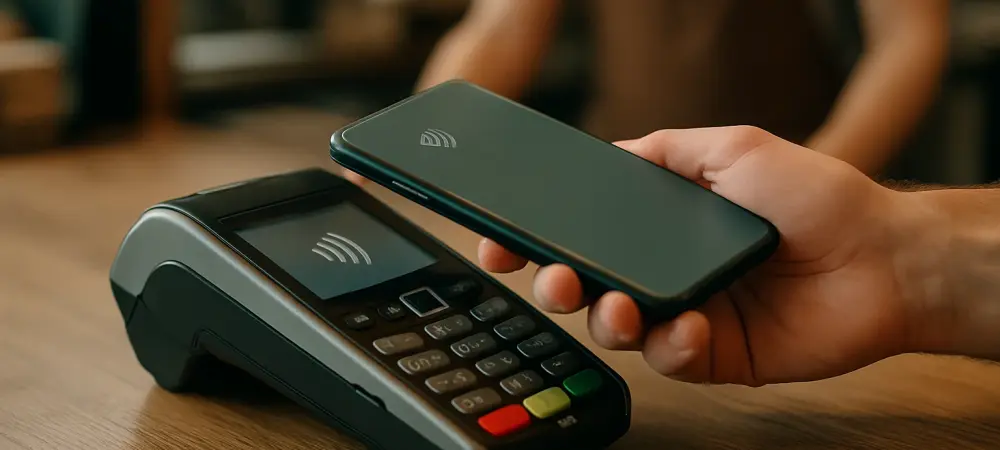
What happens when a simple tap of a card or a swipe on a phone becomes the deciding factor in whether a customer stays loyal or walks away? In today’s fast-paced, hybrid shopping world, payment preferences are no longer just a transactional detail—they’re a make-or-break element of business strategy. From contactless payments dominating in-store purchases to mobile wallets gaining traction online, the way consumers pay is reshaping how companies operate. This feature dives deep into the evolving landscape of payment trends, exploring why adapting to these shifts is critical for any business aiming to thrive.
The Stakes Behind Every Swipe
Payment choices have emerged as a pivotal battleground for customer loyalty. With 54% of in-store shoppers favoring contactless methods—a 14% jump since last year—businesses ignoring this trend risk alienating a massive chunk of their audience. Yet, it’s not just about going digital; cash still holds sway, with 56% of people carrying it as a backup. The challenge lies in balancing these diverse preferences, as failing to do so can lead to abandoned carts and lost trust. A staggering 45% of shoppers have walked away from in-store purchases due to payment glitches, highlighting how a single hiccup can tarnish a brand’s reputation.
This isn’t merely a matter of convenience; it’s about meeting expectations in a world where seamless transactions are non-negotiable. Online, the stakes are just as high, with 15% of consumers ready to ditch a purchase if their preferred digital wallet isn’t an option. For businesses, understanding and acting on these preferences isn’t optional—it’s a strategic imperative to secure sales and build lasting relationships in a competitive market.
Decoding the Payment Puzzle
Diving into the latest consumer trends reveals a complex tapestry of payment behaviors across demographics and platforms. In physical stores, contactless payments reign supreme, but cash remains a trusted fallback, especially for 66% of those over 55 who always carry it. Interestingly, even half of 18- to 24-year-olds keep cash on hand occasionally, though 52% of shoppers now find cash-only businesses a major inconvenience, a frustration that’s spiked by 20% in just one year.
Online, the landscape shifts slightly, with debit and credit cards holding a dominant 62% preference among shoppers. However, mobile wallets are surging among younger users, with 42% of 18- to 24-year-olds opting for them due to speed (52%) and ease (72%). Emerging methods like Open Banking show promise, with 52% open to using it, but hesitations linger—32% remain wary of biometric payments over security fears. These insights paint a clear picture: flexibility in payment options is no longer a luxury but a necessity to capture a broad customer base.
Voices That Matter
Experts and real-world cases bring the impact of payment preferences into sharp focus. John Clark, a seasoned Product Manager, notes, “While digital methods like mobile wallets are surging, traditional options such as cash and cards are still vital for many consumers.” This balance is crucial, especially when 72% of online shoppers actively look for trusted security symbols like Verified by Visa to feel confident during transactions. Ignoring these cues can erode customer faith faster than any marketing campaign can rebuild it.
Consider the fallout from a payment system failure at a mid-sized retailer last year. A brief downtime led to a wave of negative reviews, with shoppers not only frustrated by the inconvenience but also questioning the safety of their personal data. Such incidents reveal that payment systems are as much about trust as they are about functionality. Businesses that fail to prioritize reliability risk more than just a lost sale—they risk their reputation in an unforgiving digital age.
Strategies to Stay Ahead
Adapting to payment preferences requires actionable steps that align with customer demands. First, businesses should offer a diverse mix of options, from contactless and mobile wallets for tech-savvy users to cash and cards for traditionalists. Auditing current systems against benchmarks—like the 54% in-store preference for contactless—can pinpoint gaps to address. This approach ensures no segment of the market feels excluded, maximizing sales potential.
Security and reliability must also take center stage. With 72% of online shoppers prioritizing visible safeguards, integrating features like Mastercard SecureCode is essential. Regular system testing can prevent the 45% abandonment rate tied to technical issues, while backup plans for downtime can maintain operations under pressure. Additionally, tailoring options to demographics—such as mobile wallets for younger online shoppers and cash for older in-store customers—can fine-tune the customer experience. Finally, addressing hesitations around newer methods like biometrics through transparent communication about safety can build confidence, while piloting innovations like Open Banking can attract early adopters.
Reflecting on the Payment Evolution
Looking back, the journey of payment preferences revealed a dynamic shift in how consumers engaged with businesses. The dominance of contactless methods in stores and cards online stood alongside the surprising resilience of cash as a trusted fallback. Mobile wallets carved out a growing niche among the young, while security concerns and system reliability often dictated customer trust. Businesses that listened to these trends and diversified their payment offerings gained a clear edge in a crowded market.
Moving forward, the focus shifted to innovation balanced with accessibility. Companies needed to invest in robust systems, prioritize data protection, and stay attuned to demographic nuances to avoid losing ground. Embracing emerging methods while maintaining traditional options became the blueprint for success. As the payment landscape continued to evolve, staying adaptable proved to be the key to not just surviving but thriving in an era where every transaction counted.