

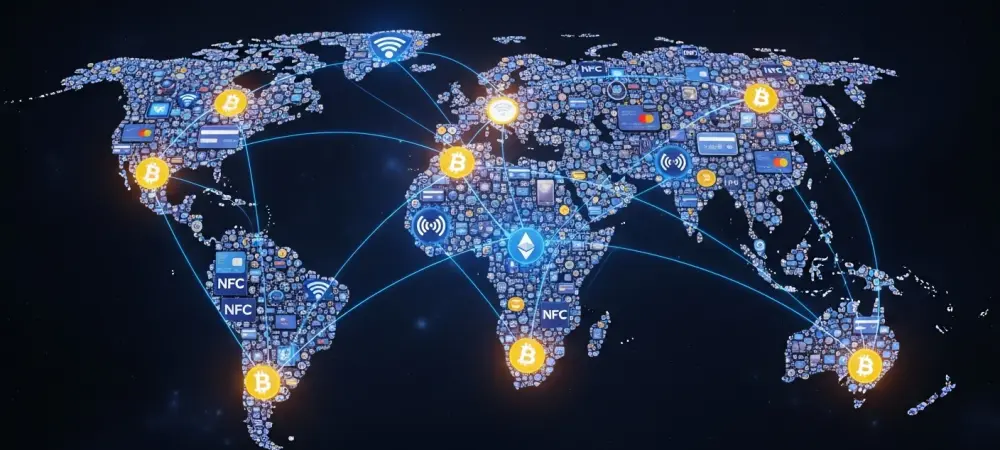
The traditional dominance of plastic cards is rapidly eroding as a massive multi-billion dollar migration toward direct account-to-account connectivity reshapes how money moves across the globe. While plastic has dictated the consumer landscape for several decades, a fundamental shift is occurring as governments and major financial institutions bypass traditional card schemes. In the United Kingdom alone, public sector infrastructure has already processed over £9 billion through these channels, signaling that account-to-account (A2A) transactions are no longer a niche alternative but a primary driver of modern commerce.
This evolution reflects a broader global movement toward reducing intermediary friction and enhancing the speed of capital flow. By removing the layers of third-party processing that have long added cost and latency, institutions are creating a more streamlined environment for digital finance. This pivot represents a major structural change in the global economy, as stakeholders prioritize direct paths between consumer bank accounts and merchant ledgers to foster a more efficient and responsive financial ecosystem.
The Multi-Billion Dollar Pivot: From Traditional Cards to Direct Bank Connectivity
The current momentum in the payments sector is driven by an urgent need for increased sovereign control over financial rails and a desire for lower transaction costs. European nations are actively seeking to reduce their heavy reliance on international card networks by developing unified, pan-European networks like the Wero initiative. This transition is not merely about convenience; it is a strategic effort to build a more resilient digital economy that can support the high volume of modern real-time transactions while maintaining strict security standards.
Building these indigenous payment systems allows nations to ensure that their financial plumbing remains under local oversight and is less susceptible to external geopolitical shifts. Furthermore, the push for modernized infrastructure is expected to lower the barriers to entry for new fintech players, fostering competition and innovation. By moving away from legacy processing models, the global financial community is laying the groundwork for a future where money moves as seamlessly as information across the internet.
Understanding the Global Push: Modernized Financial Infrastructure
The adoption of A2A technology is rapidly expanding across different layers of the economy, starting with critical public infrastructure and moving into cross-border retail markets. A significant milestone in this transition was the move of GOV.UK Pay to Adyen’s technology for managing local authority, NHS, and law enforcement transactions. This strategic partnership replaced previous systems with a more robust “pay by bank” solution, allowing public sector organizations to streamline their internal payment management while improving overall transaction efficiency for the citizen.
Beyond the public sector, the Wero instant payment solution expanded into the Austrian market through strategic shareholder agreements with major regional banks like Erste Bank and Raiffeisen. This move, alongside similar developments in Luxembourg and the Netherlands, aims to create a seamless alternative to traditional credit and debit systems. These pan-European networks are designed to offer a unified payment experience, ensuring that consumers can make instant transfers across borders with the same ease as a domestic transaction.
Scaling A2A Solutions: Public Sector Services and Pan-European Networks
As the underlying technology of global finance becomes more complex, the industry is turning to seasoned technology veterans to lead the next phase of digital transformation. The appointment of Michael Manos as Chief Information Officer at Swift reflects this trend, as he was tasked with overseeing cloud infrastructure and defending the network against sophisticated emerging security threats. Manos, who previously served at Dun & Bradstreet, succeeded Cheri McGuire to ensure that the global messaging provider remains resilient in an increasingly volatile digital landscape.
Similarly, the consumer payments platform Zilch added Microsoft President Dame Clare Barclay to its board to leverage high-level tech leadership. This move highlighted the increasing importance of technical expertise at the executive level as financial institutions prioritize cloud strategy and technology platform resilience. These strategic appointments were essential for maintaining the stability of global financial networks while navigating the challenges of modernized payment rails and the constant evolution of cyber threats.
Strengthening Institutional Resilience: Strategic Executive Appointments
The launch of the UK Payments Initiative (UKPI) framework provided a clear roadmap for scaling open banking beyond simple one-off transfers into the realm of sophisticated, automated finance. This framework utilized the UKPI structure to facilitate recurring A2A payments as a viable alternative to traditional direct debits. By allowing consumers to authorize regular transactions without the need to share sensitive card details, the initiative significantly enhanced security and offered a more flexible way to manage monthly commitments and subscription models.
Financial providers utilized these new standards to help businesses transition from one-off payment models to comprehensive, automated account connectivity. These practical applications allowed organizations to reduce churn and improve payment success rates by minimizing the issues associated with expired or cancelled plastic cards. The shift toward automated systems ensured that the financial ecosystem remained agile and secure, providing a foundation for long-term growth in the digital economy.
Leveraging the UKPI Framework: Streamlining Automated Recurring Payments
The integration of these advanced payment frameworks established a new standard for how transactions were handled on a global scale. Consumers and businesses alike benefited from the increased transparency and reduced costs associated with direct bank connectivity. As the infrastructure matured, the focus shifted toward ensuring that these disparate regional networks could interoperate smoothly, creating a truly global web of instant financial exchange.
By the time these systems reached full implementation, the reliance on legacy card schemes had diminished significantly in favor of more efficient digital alternatives. The strategic executive appointments made during this period proved vital, as they provided the leadership necessary to navigate the technical hurdles of cloud migration and platform security. Ultimately, the industry moved toward a more inclusive and resilient financial future where the speed of capital matched the pace of digital innovation.