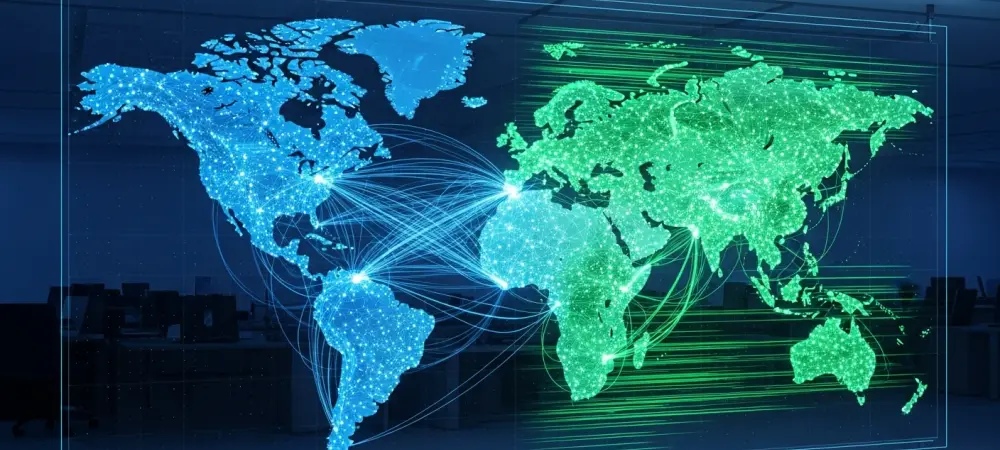
The initiative investigates how blockchain-based settlements can interact with legacy banking systems without requiring a total overhaul of existing global financial networks. This collaborative effort between Japan’s SBI XDC Network APAC, its subsidiary SBI VC Trade, and South Korea’s Shinhan
The initiative investigates how blockchain-based settlements can interact with legacy banking systems without requiring a total overhaul of existing global financial networks. This collaborative effort between Japan’s SBI XDC Network APAC, its subsidiary SBI VC Trade, and South Korea’s Shinhan

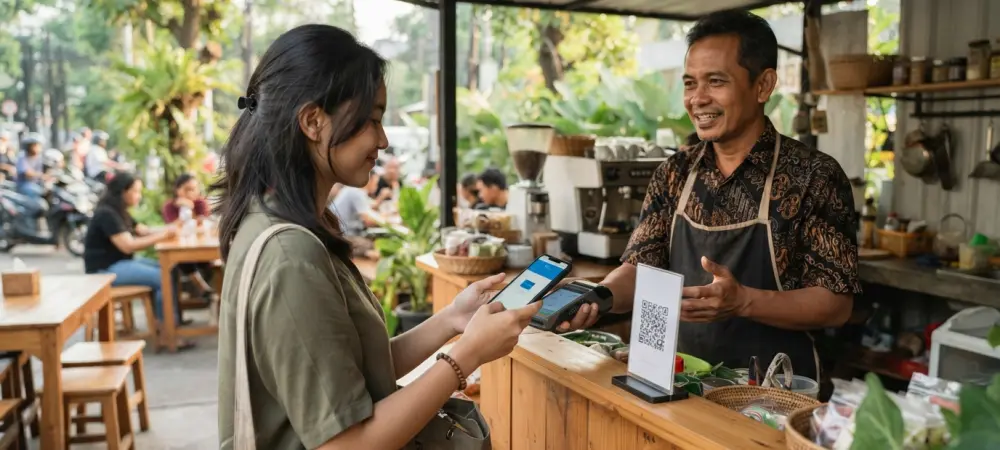





The initiative investigates how blockchain-based settlements can interact with legacy banking systems without requiring a total overhaul of existing global financial networks. This collaborative effort between Japan’s SBI XDC Network APAC, its subsidiary SBI VC Trade, and South Korea’s Shinhan
Deeper Sections Await
Financial institutions must now reconcile the requirement for immediate fund availability with the technical debt of older core banking systems that historically relied on overnight settlement. The European Union’s Instant Payments Regulation (IPR) is no longer a distant target but

The ability to receive immediate confirmation of funds provides businesses with the confidence to transact 24/7 without the ambiguity typically associated with traditional banking hours. In the current financial landscape of 2026, the industry has moved beyond the initial novelty
Browse Different Divisions
Financial institutions must now reconcile the requirement for immediate fund availability with the technical debt of older core banking systems that historically relied on overnight settlement. The European Union’s Instant Payments Regulation (IPR) is no longer a distant target but
Critics of the new regulatory mandate warn that forcing tech giants to share proprietary infrastructure could diminish the financial incentives required to invest in future hardware breakthroughs. Nevertheless, the United Kingdom’s Competition and Markets Authority has launched a definitive challenge
The rhythmic counting of paper bills is fading into the background as the Philippines undergoes one of the most rapid digital transformations in Southeast Asia. This shift represents a seismic change in the national psyche, moving from physical tangibility toward
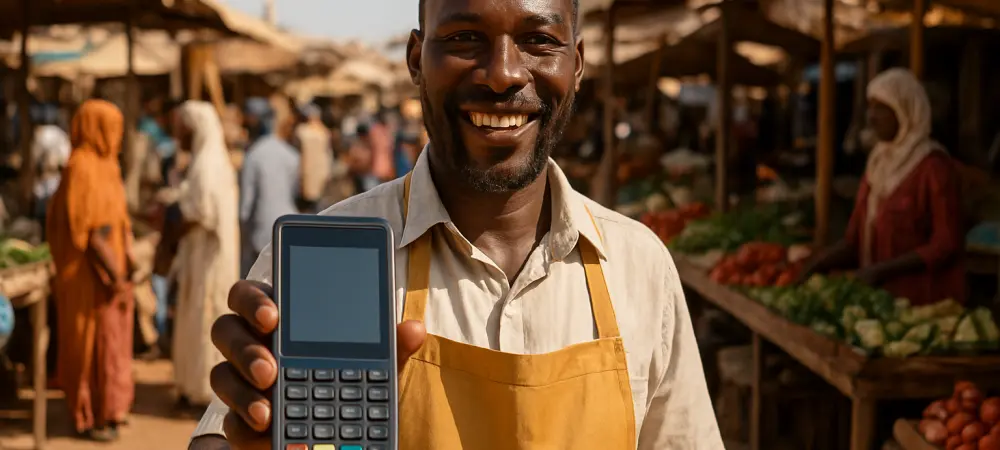
In the bustling markets of Khartoum, where cash has traditionally reigned supreme, a transformative digital alliance is now dismantling the long-standing barriers to seamless financial connectivity. Sudan faced significant hurdles in modernizing its economy due to fragmented systems and isolated

By integrating real-time payment rails directly into payroll systems, employers are finding they can significantly improve the financial health and retention of their hourly workforce. The modern financial landscape is currently undergoing a profound transformation as real-time payments evolve from
The ability to receive immediate confirmation of funds provides businesses with the confidence to transact 24/7 without the ambiguity typically associated with traditional banking hours. In the current financial landscape of 2026, the industry has moved beyond the initial novelty
Browse Different Divisions




Uncover What’s Next
B2BDaily uses cookies to personalize your experience on our website. By continuing to use this site, you agree to our Cookie Policy