

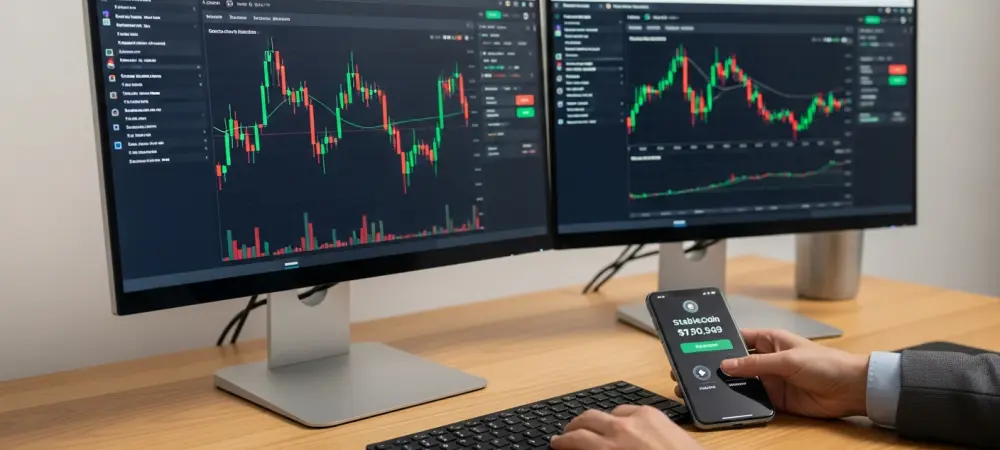
The rapid expansion of decentralized finance has created a landscape where the sheer volume of information can overwhelm even the most seasoned market participants. In this environment, navigating the complexities of digital assets requires a centralized hub that can distill millions of trading pairs into actionable insights. By acting as a vital bridge between fragmented global exchanges and individual investors, the platform has successfully democratized financial information that was previously inaccessible to the average person. This consolidation of data allows users to bypass the noise of individual exchange fluctuations and focus on a holistic view of the market. Whether a newcomer is making their first purchase or a professional trader is rebalancing a high-frequency portfolio, the ability to access real-time metrics ensures that decisions are grounded in empirical evidence rather than speculative rumors. Such transparency is essential for fostering trust in an industry that remains notoriously volatile and decentralized.
Rigorous Methodologies: Precision in Global Price Aggregation
To maintain the highest level of data integrity, a sophisticated price aggregation formula is utilized to calculate global averages across thousands of distinct platforms. This system does not simply take a basic mean of prices but instead implements a volume-weighted average price that accounts for the depth of liquidity available on various exchanges. By actively filtering out irregular data points or significant anomalies caused by technical errors and low-liquidity spikes, the platform provides a reliable benchmark that reflects the true market value of an asset. This process is particularly important in preventing flash crashes on isolated exchanges from skewing the perceived value of a cryptocurrency on a global scale. Furthermore, the inclusion of various local currencies allows investors to monitor their holdings in native denominations like AUD, CAD, or GBP. This multi-currency support eliminates the need for constant manual conversions, providing a seamless experience for a global user base that operates across different fiat economic zones.
Beyond basic price tracking, the platform utilizes market capitalization as the primary metric for determining the relative size and stability of various digital projects. By categorizing assets into distinct tiers—large-cap, mid-cap, and small-cap—it offers a standardized framework that assists in risk management and long-term investment strategy. Investors can easily distinguish between established projects with high liquidity, such as Bitcoin and Ethereum, and more speculative opportunities found in newer ventures. This hierarchical classification is crucial because it helps market participants understand the liquidity constraints and potential volatility associated with different asset classes. For instance, a large-cap asset typically offers more stability during market downturns, while small-cap tokens might present higher growth potential at the cost of increased risk. This systematic approach to valuation ensures that users can build diversified portfolios that align with their specific risk tolerances while maintaining a clear understanding of where each asset sits within the broader market ecosystem.
Security Protocols: Manual Vetting and Asset Classification
Integrity within the digital asset space is frequently challenged by the presence of fraudulent projects and inactive coins, necessitating a robust vetting process. Unlike many competitors that rely solely on automated algorithms, this platform employs a dedicated team of experts to perform manual reviews of every listed cryptocurrency. This human oversight serves as a critical filter, ensuring that only projects with legitimate development activity and transparent operational histories are included in the primary database. By maintaining a high bar for project quality, the platform effectively reduces the risk of users encountering dead coins or malicious exit scams that often plague unvetted decentralized markets. Furthermore, for those interested in the cutting edge of decentralized finance, the specialized tracking through GeckoTerminal offers a secure way to monitor assets exclusively traded on decentralized exchanges. This dual approach of manual vetting and specialized monitoring tools provides a comprehensive safety net, allowing investors to explore the furthest reaches of the blockchain world without sacrificing the reliability of the data they consume.
Understanding the functional differences between thousands of digital assets is made significantly easier through a clear and logical taxonomy of coins and tokens. The platform distinguishes between native blockchain coins, which operate on their own independent networks, and tokens that are built on top of existing infrastructures like Ethereum or Solana. This classification extends to specialized categories such as stablecoins, governance tokens, and utility tokens, helping users understand the specific economic purpose and utility of each asset. By providing this level of granular detail, the platform empowers investors to look beyond the ticker symbol and analyze the underlying technology and tokenomics of their investments. This structured organization is particularly beneficial for those trying to understand the nuances of the altcoin market, which encompasses everything from high-utility smart contract platforms to niche community-driven assets. Such a comprehensive categorization system ensures that the diverse and often confusing array of digital products is presented in a way that is both accessible to the public and technically accurate for industry experts.
Strategic Implementation: Professional Frameworks for Market Analysis
To effectively utilize the tools available, investors adopted a strategy focused on rigorous data verification and long-term asset health monitoring. By leveraging the advanced filtering options, participants identified projects with sustainable trading volumes while avoiding those characterized by wash trading or artificial inflation. The implementation of personalized alerts allowed for timely responses to market volatility without the need for constant manual oversight of every individual asset. Furthermore, the integration of on-chain data with traditional market metrics provided a more complete picture of asset distribution and whale movements. This multi-layered approach to market analysis helped in identifying early-stage trends before they became mainstream, allowing for more strategic positioning within the broader digital economy. By focusing on fundamental data rather than short-term price fluctuations, traders built more resilient portfolios that were better equipped to handle the inherent risks of the cryptocurrency market. The reliance on verified information became the cornerstone of professional-grade investment workflows, ensuring that every move was backed by the most accurate datasets currently available in the industry.
The evolution of the market necessitated a shift toward more sophisticated analytical frameworks that prioritized transparency and developer activity over simple speculative interest. Moving forward, the successful navigation of the digital asset space required the adoption of automated data feeds and the continuous education of participants regarding emerging asset classes like liquid staking tokens and real-world asset backings. Investors prioritized the use of neutral data providers to ensure that their decisions were not influenced by the hidden agendas of specific exchanges or project promoters. This commitment to data-driven decision-making served as a safeguard against the common pitfalls of emotional trading and market manipulation. As the intersection of traditional finance and blockchain technology continued to blur, the role of reliable market aggregators became even more central to the global financial architecture. Those who integrated these comprehensive data tools into their daily operations found themselves better positioned to capitalize on new opportunities while mitigating the complex risks associated with an ever-changing technological landscape. The focus remained on fostering a more transparent and accessible financial future through the consistent application of rigorous valuation standards.