

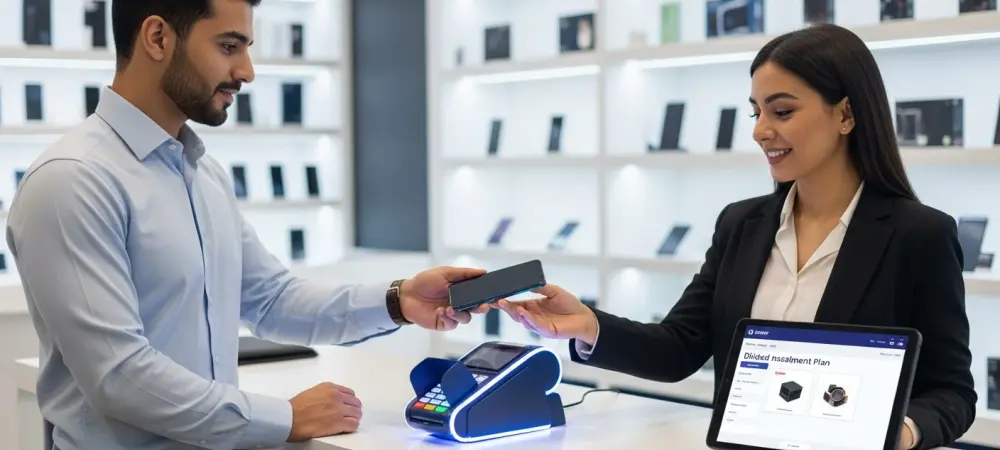
The sudden transformation of Cairo’s bustling street markets into digital-first hubs signifies a broader economic shift where traditional cash transactions are rapidly being replaced by sophisticated smartphone-driven financial ecosystems. Egypt’s financial landscape is currently witnessing a tectonic shift as the nation’s leading electronic payment provider and its most prominent fintech powerhouse bridge the gap between instant payments and flexible financing. This is not just a technical update to a mobile app; it is the strategic merging of two giants—Fawry and Valu—to redefine how millions of Egyptians handle their daily expenses and major purchases.
This collaboration represents more than a simple business deal; it is a fundamental realignment of the Egyptian consumer’s relationship with money. By embedding credit directly into the payment flow, the duo has created a feedback loop that encourages digital spending while providing the safety net of deferred payments. This shift is essential in a market where physical currency has long been the primary medium of exchange, signaling a new era of financial transparency and data-driven economic participation.
The Convergence of Credit and Convenience in the Egyptian Market
The integration of specialized financial services into a single platform marks a significant milestone in the evolution of regional commerce. By combining Fawry’s extensive payment network with Valu’s innovative installment plans, the Egyptian market is experiencing a level of accessibility previously reserved for high-income earners with traditional credit cards. This convergence allows for the immediate settlement of bills and retail purchases, ensuring that liquidity is never a barrier to essential consumption or business operations.
Beyond the technical convenience, this partnership addresses the psychological barrier of digital debt. Many consumers who were once hesitant to use credit now find the process intuitive when it is baked into the same application they use to pay for utilities or groceries. This comfort level is crucial for building a sustainable digital economy where trust in the platform is as important as the technology itself.
Why the Valu-Fawry Synergy Is a Watershed Moment for Fintech
The traditional reliance on cash in Egypt is being challenged by a younger, tech-savvy population that demands more sophisticated financial tools. As the government pushes for a cashless society, the integration of Valu’s credit facilities into the myfawry app addresses a critical market gap: the need for liquidity at the point of sale without the hurdles of traditional banking. This evolution matters because it transitions digital finance from a luxury to a functional utility for the average consumer, bridging the gap between desire and affordability.
Furthermore, this synergy serves as a catalyst for other fintech players to seek collaborative rather than competitive models. The success of this integration demonstrates that the sum of these two platforms is greater than their individual parts, providing a blueprint for how fragmented financial services can be unified. This approach reduces the complexity for the user, who no longer needs to jump between multiple apps to manage their financial life.
Redefining the Digital Ecosystem Through Strategic Integration
Valu’s flexible financing is now embedded into the existing myfawry infrastructure to create a seamless user interface for diverse transactions. This strategic integration expands consumer purchasing power by offering diversified installment plans within a unified app, helping users manage monthly budgets and mitigate the impact of inflation. Moreover, the partnership accelerates the transition toward a cashless economy by reducing friction for digital transactions and encouraging wider adoption of electronic payments among merchants and consumers alike.
By strengthening the infrastructure for financial inclusion, the combined reach of Fawry’s payment network and Valu’s consumer finance expertise brings unbanked segments into the formal economy. This movement allows previously underserved individuals to access credit facilities that were once restricted to those with established banking histories. The synergy ensures that financial resources are more equitably distributed across the demographic spectrum, fostering a more robust and technologically advanced economic landscape.
Expert Perspectives on Egypt’s Fintech Future
Industry leaders Omar Abdelhady of Valu and Heba El-Awady of Fawry envision this collaboration as the blueprint for modernizing the Egyptian market. Their shared perspective suggests that the synergy between advanced technological platforms and smart financing is the only way to establish Egypt as a regional hub for digital finance. Analysts suggest that this partnership serves as a foundation for a more integrated financial ecosystem, moving away from fragmented services toward super-app functionality that caters to every financial need.
This expert consensus points to a future where financial data becomes the primary driver of consumer empowerment. By analyzing spending and repayment patterns through a unified lens, these platforms can offer more personalized financial products, such as micro-insurance or targeted savings plans. The long-term goal is to create a self-sustaining ecosystem where the barriers to entry for financial services are virtually non-existent for any citizen with a smartphone.
Navigating the New Landscape of Integrated Finance
Users optimized their monthly cash flow by leveraging Valu’s credit facilities for essential services on myfawry without overextending their debt-to-income ratio. Security best practices became a priority, with consumers ensuring their digital transactions and credit data remained secure within the integrated platform. Small businesses and merchants capitalized on the increased purchasing power of customers who utilized these integrated fintech solutions to grow their operations. The roadmap revealed significant trends regarding automated financial management and the potential for AI-driven credit scoring. Consumers prepared for these innovations by adopting more disciplined digital spending habits and engaging with the platform’s educational tools. This transition marked a definitive step toward a more resilient and technologically integrated Egyptian economy that prioritized consumer convenience and financial security. Merchants also adapted by integrating these payment options into their physical storefronts, ensuring they did not lose out on the growing segment of digital-first shoppers.