

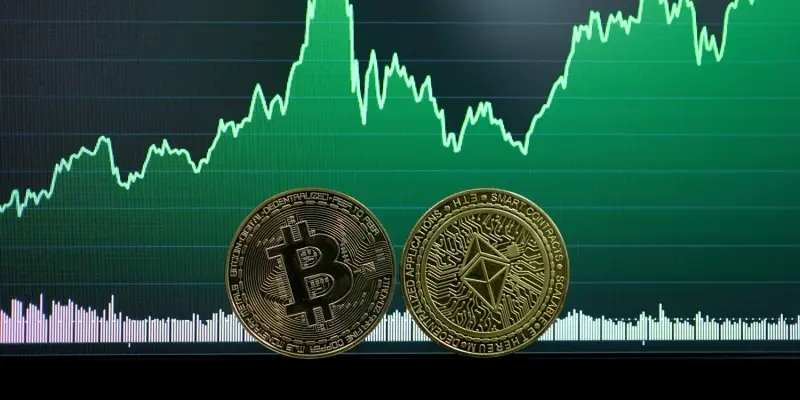
Cryptocurrency investments have stirred debate among investors, raising an intriguing question about the efficacy of smart trading strategies versus long-term holding. Both approaches demonstrate merits, though they operate under vastly different assumptions and cater to divergent investor profiles. The current landscape is fraught with volatility, creating opportunities for various investment strategies and shaping a dynamic ecosystem in which both short-term tactics and long-term beliefs coexist productively. At the forefront of these investment strategies is a constant balancing act, weighing unpredictable crypto market swings against steadfast conviction in its long-term potential.
The Impact of Market Volatility
Short-Term Strategies and Immediate Gains
Short-term strategies in the cryptocurrency market involve rapid transactions to capitalize on price movements. Traders employing these methods rely heavily on technical analysis and market sentiment, focusing on charts, patterns, and news to make quick decisions. The allure of immediate financial gains is real but comes at a risk, as market volatility can create sudden losses. In recent years, cases have shown how timely interventions can yield lucrative returns. A trader using wallet 0x2258 executed quick reversals by taking short positions when others were long and profited significantly by mirroring prominent traders’ actions in the opposite direction. The trader’s adaptability highlights how meticulous strategies can drive profits in the short term.
Short-term trading is often characterized by frequent buying and selling, capitalizing on market swings and momentary dips and peaks. This proactive stance requires constant vigilance and can result in stress, given the unpredictability associated with crypto. Traders must stay informed about regulatory changes, technological advancements, and significant investments that can immediately impact market dynamics. Being swift can result in considerable returns; however, it requires investment acumen that many find challenging. Short-term strategies are compelling for those willing to embrace risks on volatile landscapes for potentially significant rewards, provided they maintain a sharp focus on market movements to execute needed maneuvers.
Long-Term Holdings and Their Resilience
Long-term investments in cryptocurrency rest on the belief that digital assets, like Bitcoin, possess intrinsic value that will mature over time. This approach benefits from less frequent trading, often enduring market turbulence with patience, foreseeing eventual appreciation. Investors who hold their assets, observing gains over extended periods, have a broad outlook, focusing on the overall technological progress driving cryptocurrencies forward. The fascinating aspect of this strategy is its advocacy of longevity despite the crypto market’s rapid fluctuations, evident in investors continually amassing funds and maintaining resolve during challenging periods. Long-term holders often employ strategies that prioritize retention over quick trades, believing in stable expansion. For example, despite a volatile market, Bitcoin’s realized capitalization has surpassed $28 billion, a sign of enduring faith in crypto’s growth prospects. Observations by analysts, such as Ibrahim Cosar, comment on technical formations suggesting future price increases, reinforcing optimism amid uncertainties. Long-term holders remain notably resilient, often immune to the day-to-day stress of price movement while projecting future market values. They focus on developments like institutional adoption, regulatory advancements, and technological innovation strengthening blockchain ecosystems.
Analyzing Opposing Strategies
Mirroring and Anticipating Market Moves
Mirroring market moves effectively requires tactical analysis, where those observing high-profile traders might leverage opposite trades. This method involves timing positions accurately and requires a deep understanding of market mechanics and behavioral analysis focusing on others’ actions. By following trends set by prominent figures like James Wynn, traders can anticipate market reactions and execute trades accordingly, sometimes ahead of abrupt shifts. Such strategies showcase how acute awareness can lead to contrary positions with substantial financial outcomes, courtesy of timely execution grounded in agile observation. The approach revolves around deciphering cross-market implications and preemptively reacting to expected downturns or surges. Traders leverage insights into major market players’ sentiments, sometimes considering liquidation levels or speculative moves in response to broader economic factors. This method showcases diligence, mental agility, and a strategic perspective grounded in current analysis. Those effectively capturing these patterns can profit by anticipating reversal signals, offering compelling returns in short periods despite inherent risks. Being adept requires readiness to maneuver and adjust positions swiftly, a hallmark of traders able to leverage contrasting results into financial gains.
Confidence in Long-Term Growth
With confidence in crypto’s long-term growth, investors often regard cyclical volatility as mere short-term disruptions. Such attitudes stem from a belief in blockchain’s capability to reshape industries, foreseeing widespread technological adoption. The narrative around Bitcoin and similar cryptocurrencies often revolves around an anticipated maturation of value, with this perspective steadfast despite momentary declines. Long-term investors avoid panic selling during downturns, viewing their holdings as valuable assets potentially worth much more in the future.
These beliefs are strengthened by adoption rates, legislative advancements, and corporate interests steadily investing in cryptocurrency ecosystems. Long-term projections leverage global technology reliance, foreseeing a digitally integrated economy where crypto plays a pivotal role. Observers note patterns indicating robust potential, reinforced by technological innovations addressing scalability, transactions, and blockchain fortification. This outlook underscores the comprehensive vision associated with long-term accumulation, standing resilient against short-term unrest and occasionally being met with skepticism, given crypto’s nascent field juxtaposed against traditional finance.
Balancing Risk and Reward
Choosing the Right Strategy
The decision between choosing a short-term and a long-term crypto investment strategy hinges on individual risk tolerance and financial outlook. Short-term traders often revel in the thrill of high-risk, fast-paced action, while long-term investors content themselves with the potential gradual growth of their assets. Each strategy bears distinct risks and rewards, and an understanding of personal financial goals is paramount when opting for one. Short-term strategies are plagued with constant volatility, requiring adaptable maneuvers to react to market shifts swiftly. Successful traders require extensive knowledge of market patterns and decisive execution.
Conversely, the long-term hold seeks stability with growth expectations outrunning obstacles. It rewards patience but often withstands skepticism, given the turbulent dynamics of crypto markets today. Success is measured by foresight and trust in blockchain evolution toward mainstream integration. Investors make choices based on temperament—admittedly, broader economic factors, technology adoption rates, and even geopolitical events influence crypto but must be evaluated among competing narratives driving their investments. This balance shapes decisions, indicating a personalized system tailored to opportunity and palpable risk.
Future Directions for Crypto Investments
Understanding where to invest depends equally on technical literacy and market dynamics, while cryptocurrencies increasingly regulate themselves due to technological growth and legislative advances. Future viewpoints on cryptocurrency investments identify direct correlations between innovation, regulation, and the steps taken by institutions. Adaptability and a thorough grasp of shifts pertaining to currency stability and international governance will enhance preparedness against future uncertainties. Projects fostering blockchain expansion align with investor demands, showcasing the increased relevance of strategic planning where both short-term maneuvers and long-term objectives intertwine harmoniously. Individual tactics associate confidently with amplified digital finance adoption as an augmentation to financial schemes. By evaluating current methodologies alongside anticipated innovations, traders and investors pave avenues to flexibly navigate evolving landscapes, capitalizing on market developments that reinforce blockchain credibility. Practical efforts that evaluate digital commodity potential lay foundations for better investments tailored to crypto stability and expansion ambitions. Regardless, undertaking inventive yet supportive solutions that address contemporary economic demands establishes clarity within fluctuating trends, offering deliberate insights vital for future direction.
Conclusion: Understanding Risk and Opportunity
Investment in cryptocurrencies has sparked lively debate among investors, particularly regarding the effectiveness of smart trading strategies versus a long-term holding approach. Each strategy has its own set of advantages, yet they are grounded in fundamentally different assumptions and are aimed at distinct investor types. The crypto market is known for its significant volatility, which creates numerous opportunities for both short-term and long-term investment strategies. This dynamic allows for a diverse ecosystem where quick, calculated trades and enduring, unwavering convictions in the market’s potential can coexist beneficially. At the heart of choosing an investment strategy is a constant balancing act, involving the assessment of the market’s unpredictable fluctuations against a firm belief in the long-term value of cryptocurrencies. Investors must carefully weigh the risks and rewards of each approach, factoring in personal investment comfort levels and financial goals, while remaining mindful of the ever-changing digital currency landscape.