

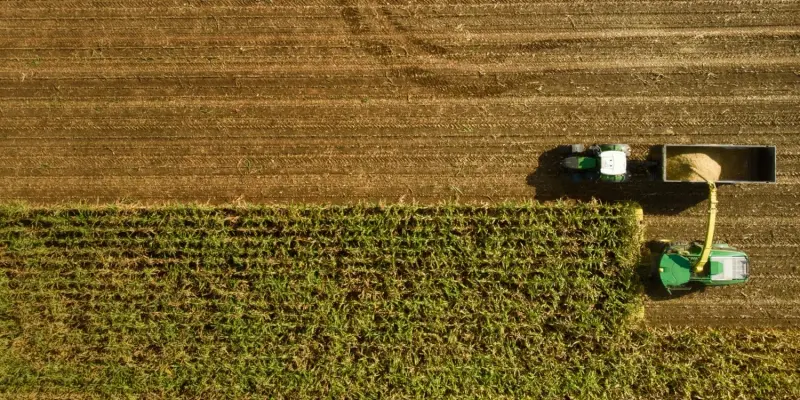
The agricultural landscape in Colombia has been undergoing significant transformations, with innovative technology at its helm. Ripple, a forefront leader in blockchain technology, has introduced an ambitious pilot project targeting smallholder farmers. This initiative, in collaboration with Mercy Corps Ventures and traceability tech firm WËIA, zeroes in on the supply chain of panela, an unrefined cane sugar crucial to Colombia’s economy. With blockchain technology at its core, this project seeks to address pressing challenges in the agricultural sector, enhancing transparency and facilitating financial access. The incorporation of these technologies is anticipated to not only revolutionize how farmers operate but also potentially uplift the socio-economic status of participants, as evidenced by the near doubling of female involvement to 46%, outpacing national averages.
Leveraging Blockchain for Enhanced Transparency
A pivotal component of this initiative is the XRP Ledger, selected for its efficient transaction speed, cost-effectiveness, and environmentally friendly operations. Key to its implementation is a system devised by WËIA that enables farmers to tag their products using QR codes. This tagging embeds credible data reflecting the production environment and conditions, responding to the escalating global demand for food supply chain sustainability. Such traceability can promote transparency throughout the supply chain, potentially leading to improved satisfaction among buyers. Empowered with the ability to verify sustainability credentials, the system might enable farmers to command higher selling prices. Moreover, as supply chain transparency increases, the possibility of strengthening relationships with retailers could also grow. This initiative illustrates how blockchain could serve as a critical tool in restructuring agricultural processes and achieving new benchmarks in sustainable farming practices.
Addressing Financial Challenges and Promoting Inclusion
The project’s innovative “Farm Now, Pay Later” system allows farmers to access seeds and inputs before harvest, postponing payment until after sales. This initiative tackles cash flow issues that commonly hinder smallholder farmers, enabling them to remain productive throughout critical growth periods. Coupling this financial model with blockchain technology, the project not only addresses financial sustainability but also advocates for gender inclusion, highlighting a dedication to extending benefits beyond economic gains to foster long-term social change. Blockchain serves as a conduit, offering insights and linking producers to financial resources and market opportunities. Ripple’s initiative emphasizes blockchain’s potential to help underserved communities, proving its technological integration as actively transformative. This project exemplifies blockchain’s ability to redefine agriculture by enhancing transparency, financial access, and sustainability, inspiring similar global initiatives to promote fair trade and ethical practices, fostering economic growth in marginalized areas.