

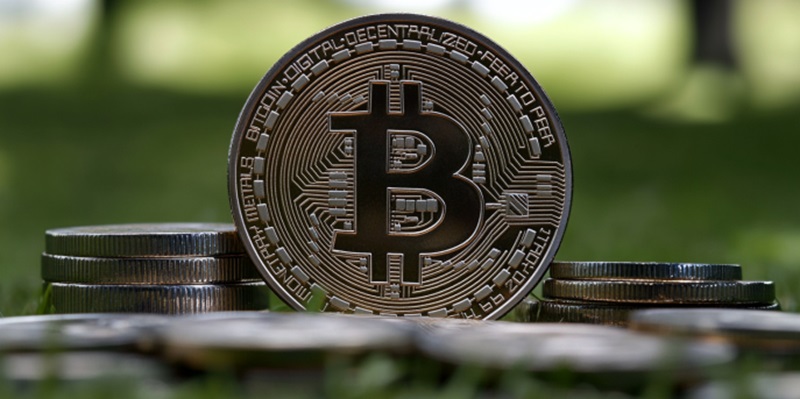
Bitcoin, the most well-known cryptocurrency, has seen a significant price surge in 2024, nearing the remarkable $100,000 milestone and currently trading at an impressive $95,649. This unprecedented value increase has ignited a fierce debate among financial experts on whether Bitcoin can continue its upward trajectory and reach a staggering $250,000 by the end of 2025. Several factors, including increased legitimization and adoption in the United States, regulatory developments, institutional investments, and technological advancements, play critical roles in shaping this projection. Despite its unpredictable volatility, Bitcoin’s potential as a decentralized asset and inflation hedge continues to captivate investors and analysts globally.
Institutional and Expert Predictions
Tom Lee from Fundstrat Global Advisors is among the notable experts who predict Bitcoin’s value could soar to $250,000 by 2025, driven by the twin engines of greater legitimization and widespread adoption. He believes that the mainstream acceptance of Bitcoin will significantly impact market dynamics in a positive way. Similarly, venture capitalist Tim Draper has revised his initial prediction and now foresees Bitcoin reaching this milestone by mid-2025. Draper’s adjustment reflects his belief in Bitcoin’s intrinsic value and utility, reinforced by growing institutional interest.
Robert Kiyosaki, another prominent financial expert, has a bolder vision. He foresees Bitcoin skyrocketing to $500,000 by 2025, attributing this optimistic outlook to insights driven by artificial intelligence. Kiyosaki’s perspective underscores the increasingly sophisticated analysis tools available today, allowing for more accurate future predictions. Nonetheless, these optimistic forecasts come with a fair share of caution. Experts consistently emphasize the need for modest portfolio allocations to cryptocurrency to mitigate the inherent volatility risks associated with such digital assets.
Institutional Adoption and Regulatory Developments
Institutional adoption is undeniably a key influence on Bitcoin’s future value. MicroStrategy’s substantial holding of 386,700 BTC exemplifies corporate confidence in the asset’s long-term potential. BlackRock’s iShares Bitcoin Trust ETF has also bolstered Bitcoin’s credibility by attracting significant institutional investments. These endorsements from established financial entities underscore a growing trust in Bitcoin’s staying power, potentially paving the way for further mainstream acceptance.
On the regulatory front, changes anticipated under President Donald Trump’s administration could foster a more favorable environment for Bitcoin. A more crypto-friendly SEC chair and the development of a strategic Bitcoin reserve are among the expected regulatory shifts. The potential resignation of SEC Chair Gary Gensler might also lead to less stringent regulations, further encouraging institutional and retail investment. These regulatory changes are critical as they could reduce uncertainty and enhance investor confidence in the cryptocurrency market.
Technological Advancements and Macroeconomic Factors
Technological advancements play a crucial role in Bitcoin’s growth trajectory. Improvements in scalability solutions aimed at enhancing transaction speeds and reducing fees are vital. These advancements directly impact Bitcoin’s usability and attractiveness as a currency. Furthermore, enhanced network security measures are essential to maintain and boost investor trust. The ongoing development in these areas demonstrates the commitment to overcoming Bitcoin’s current limitations, making it an even more viable option for investors.
Macroeconomic factors such as inflation and geopolitical instability further bolster Bitcoin’s allure. As a decentralized asset, Bitcoin offers a hedge against inflation, appealing to those seeking shelter from traditional financial market turbulence. Geographic instability often drives investors to seek safer, more stable assets, with Bitcoin emerging as an attractive option due to its independence from centralized institutions and governments. These macroeconomic conditions contribute significantly to the increasing demand and projected value growth of Bitcoin.
Conclusion and Future Projections
In 2024, Bitcoin, the most famous cryptocurrency, has experienced a substantial price increase, approaching the extraordinary $100,000 mark and presently trading at a notable $95,649. This unmatched rise in value has sparked a heated debate among financial professionals about whether Bitcoin can sustain its momentum and hit an astounding $250,000 by the close of 2025. Various factors contribute to this speculation: increased acceptance in the United States, shifts in regulations, growth in institutional investments, and technological improvements. Even though Bitcoin is known for its volatile nature, its potential as a decentralized asset and a safeguard against inflation intrigues investors and analysts worldwide. The broader adoption of Bitcoin in daily transactions and its emergence as a store of value akin to digital gold are also pivotal elements in the discussion. The future of Bitcoin remains uncertain, yet its ability to disrupt traditional financial systems continues to capture significant attention.