

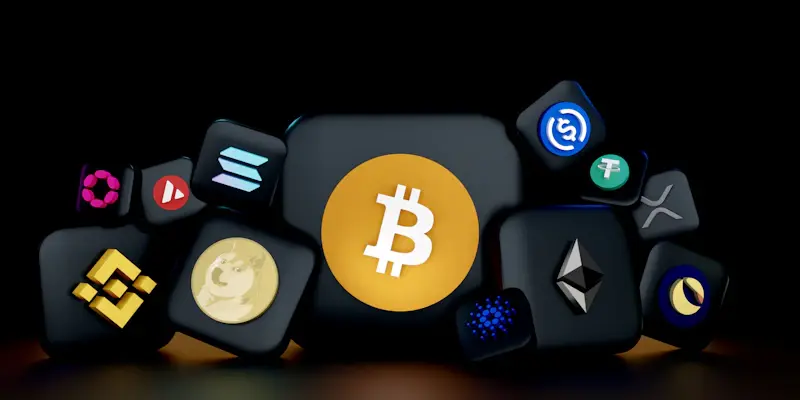
The cryptocurrency market has recently faced a substantial pullback, with major assets like Ethereum, Solana, and XRP experiencing significant declines. This downturn can be largely attributed to Federal Reserve Chair Jerome Powell’s announcement of a slower pace of interest rate cuts in 2025, which contributed to substantial losses across various cryptocurrencies. Ethereum dropped 13% to $3,213, Solana fell by 18%, and XRP plummeted by 14%. Even Bitcoin, which had briefly hit $108,000 earlier this month, slid 7.3% to settle around $94,662. Reduced liquidity before the holidays has exacerbated market volatility, leaving traders uncertain about future price directions. Amidst this turbulence, innovative projects like Aureal One are emerging as potential safe havens for crypto investors. Offering advancements in blockchain gaming and scalability, Aureal One is proving resilient and positioning itself as a significant contender for the next cryptocurrency to hit the $1 milestone.
Market Downturn and Its Causes
The cryptocurrency market’s recent slump has indeed been dramatic, with substantial declines seen across major assets like Ethereum, Solana, and XRP. Ethereum’s value dropped 13% to $3,213, Solana decreased by 18%, and XRP plummeted by 14%. Bitcoin, which had briefly touched $108,000 earlier this month, saw a 7.3% fall, settling at around $94,662. These downturns are largely linked to macroeconomic factors, particularly the policies implemented by the Federal Reserve. Investors have been spooked by Federal Reserve Chair Jerome Powell’s announcement on December 20, 2024, that indicated a slower pace of interest rate cuts in 2025.
Powell’s hawkish stance led to a significant realignment in the market, as investors reconsidered their positions amidst a tightening liquidity environment and an unpredictable regulatory landscape. The anticipated rate cuts in 2025 are now expected to be smaller and less frequent than initially expected, further dampening investor sentiment. As a result, the cryptocurrency market has reacted with increased volatility and declining asset values. For those navigating this treacherous financial landscape, finding the next stable and promising cryptocurrency has become paramount.
The Rise of Aureal One
Amidst market volatility, Aureal One is gaining attention as a potential safe haven for crypto investors. This innovative project focuses on blockchain gaming and scalability, sectors that are demonstrating resilience and growth potential despite broader market declines. Aureal One’s use of Zero-Knowledge Rollups (ZK-Rollups) technology enables low-cost and high-speed transactions, marking it as a significant contender for the next cryptocurrency to achieve the $1 milestone. Investors are increasingly recognizing the value in projects that offer practical solutions to existing blockchain challenges, and Aureal One fits this criterion perfectly.
Lucas Jensen, a seasoned 34-year-old crypto investor from Miami, epitomizes the shift in investment strategy amidst these turbulent times. Having successfully navigated the peaks and troughs of Bitcoin, Ethereum, and Solana, Lucas remains deeply attuned to the latest market trends. His background in software development and passion for cutting-edge technology heavily influences his investment decisions. He is particularly interested in the transformational potential of blockchain within the gaming and entertainment industries, viewing these areas as fertile grounds for substantial growth.
Lucas Jensen’s Investment Strategy
Lucas Jensen’s journey in the crypto investment world reflects the growing interest in projects like Aureal One. He acknowledged that a few months ago, he was concerned about the conditions of Ethereum and Solana, where he had invested a significant portion of his portfolio. However, the recent market downturn made him seek alternatives that offered more stability and growth. Lucas was determined to find projects solving real blockchain problems and not simply another crypto token without substantial backing.
Lucas identified Aureal One as a promising alternative, quickly recognizing its potential as the best cryptocurrency to buy now. Market trends encouraged him to search for something that could withstand the economic storms, and Aureal One’s utilization of ZK-Rollups technology fit the bill. This technology ensures scalability, low transaction fees, and high speed, making the platform suited for gaming and the metaverse—areas that Lucas is extremely optimistic about. He highlights that Aureal One matches the promises of Ethereum and Solana without the accompanying heavy fees and bottlenecks, reinforcing his belief in its long-term viability.
Aureal One’s Technological Edge
Aureal One distinguishes itself through its innovative application of Zero-Knowledge Rollups (ZK-Rollups) technology. This ensures fast, secure, and cost-effective transactions, enabling the platform to handle thousands of transactions per second with nearly zero gas fees. Such capabilities directly address the high fees and slow processing times that currently afflict leading cryptocurrencies like Ethereum. As the demand for decentralized applications (dApps) and metaverse gaming continues to grow, Aureal One’s ecosystem is gaining significant traction among investors and developers alike.
The platform’s focus on blockchain gaming and scalability positions it as a robust investment with a solid foundation for sustainable growth. By providing solutions to some of the most pressing issues in the cryptocurrency space, Aureal One is carving out a niche for itself in a competitive market. The adoption of ZK-Rollups technology not only enhances transaction efficiency but also boosts investor confidence in the platform’s long-term potential. As more decentralized applications and gaming projects gravitate towards such scalable solutions, Aureal One’s market presence is expected to strengthen further.
Key Projects within Aureal One Ecosystem
The potential of Aureal One is further underscored by its ecosystem’s central projects: DarkLume and Clash of Tiles. DarkLume is a decentralized metaverse platform that offers tools for creating, trading, and interacting with digital assets in a decentralized environment. It provides users with a secure and efficient platform for engaging in various metaverse activities, leveraging blockchain technology to ensure transparency and security. Clash of Tiles, on the other hand, is a strategy game that incorporates blockchain features to deliver a unique gaming experience, rewarding players based on market movements.
These projects highlight Aureal One’s robust blockchain infrastructure and its strategic focus on the gaming industry. The integration of DLUME tokens within these platforms ensures high currency demand as the adoption of gaming and metaverse applications rises. Lucas Jensen is particularly enthusiastic about Aureal One, viewing it as a solution to the scalability issues that plague other blockchains like Ethereum. He believes that the platform’s technology, vision, and team are well-positioned to drive significant growth and success in the coming years.
Future Prospects and Investor Sentiment
As the market experiences volatility, Aureal One is attracting attention as a safe haven for crypto investors. This forward-thinking project centers on blockchain gaming and scalability, areas showing resilience and growth potential even amid wider market declines. Aureal One utilizes Zero-Knowledge Rollups (ZK-Rollups) technology to facilitate low-cost, high-speed transactions, positioning it as a strong candidate to reach the $1 milestone. Investors are increasingly valuing projects that provide practical solutions to current blockchain issues, and Aureal One fits this description perfectly.
Lucas Jensen, a seasoned 34-year-old crypto investor from Miami, embodies this shift in investment strategy during turbulent times. With successful investments in Bitcoin, Ethereum, and Solana, Lucas stays keenly aware of the latest market trends. His background in software development and passion for innovative technology heavily guide his investment choices. He is particularly interested in the transformative potential of blockchain in the gaming and entertainment sectors, viewing these as promising areas for significant growth.