

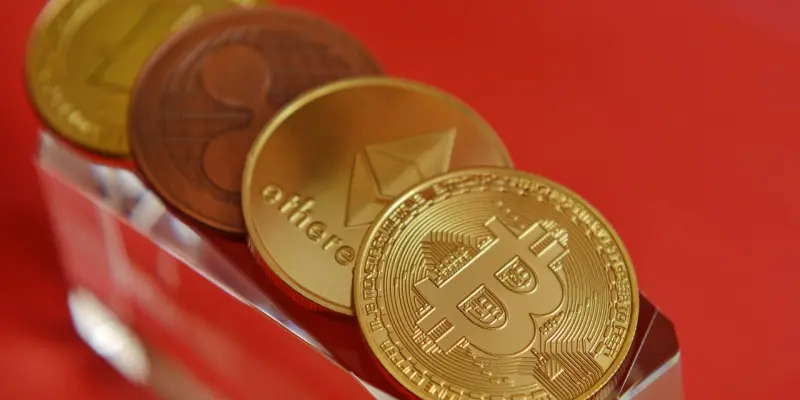
In a rapidly evolving digital landscape, the world of blockchain technology has witnessed significant strides, with Bitcoin and Ethereum emerging as leading platforms that command both attention and investment. As of now, Bitcoin holds an unparalleled market valuation, securing its position as the premier cryptocurrency. Closely trailing is Ethereum, which has not only maintained a robust market cap but is also transitioning to advanced technologies that promise to shape the future of blockchain. This article delves into the various aspects of these noteworthy blockchain projects, examining their market positions, developer activities, and what sets them apart in an increasingly competitive field.
The Reign of Bitcoin
Market Valuation and Developer Engagement
Bitcoin’s influence in the blockchain ecosystem is undeniable, cemented by its impressive market valuation of $1.7 trillion. This formidable financial stature showcases the widespread acceptance and trust investors have in Bitcoin. However, what truly sets it apart is its burgeoning developer activity, which scored an impressive 94.63 in the past month. This high level of engagement underscores developers’ dedication to enhancing Bitcoin’s capabilities, ensuring its functionality and security remain top-notch.
The robustness of Bitcoin as a decentralized currency also contributes to its dominance. It has managed to stand the test of time, proving resilient against market fluctuations and regulatory scrutiny. The vibrant development community continues to work on solutions that address scalability and energy efficiency, which are critical for Bitcoin’s sustainability. This ongoing commitment to improvement and innovation is integral to maintaining Bitcoin’s leadership in the market.
Technological Advancements and Future Prospects
Technological advancements play a pivotal role in Bitcoin’s enduring relevance. Developers are increasingly focusing on integrating solutions such as the Lightning Network, which aims to enhance transaction speed and lower costs. Such innovations are vital for Bitcoin’s scalability, supporting its growing user base and transaction volume. These improvements ensure that Bitcoin remains not only a store of value but also a practical medium of exchange.
Looking forward, Bitcoin’s future prospects appear promising, particularly as new use cases emerge. The development of decentralized finance (DeFi) applications and increased institutional adoption are likely to bolster its role in the global financial ecosystem. Regulatory clarity and increased investor confidence are also expected to drive further growth. As Bitcoin continues to evolve, its status as the leading cryptocurrency seems well-secured, bolstered by robust technological underpinnings and a committed developer community.
Ethereum’s Rising Prominence
Transition to Proof-of-Stake and Layer-2 Scalability
Ethereum’s market capitalization of $270.1 billion places it second only to Bitcoin. However, its real appeal lies in its transition towards proof-of-stake (PoS) technology. This shift is designed to enhance security, scalability, and energy efficiency, all of which are critical for long-term success. Ethereum’s developer activity score of 323.3 highlights the extensive work being done to implement PoS and various layer-2 scalability solutions. These efforts are spearheaded by a dedicated and innovative community committed to maximizing Ethereum’s potential.
Layer-2 solutions, in particular, are designed to address scalability issues by processing transactions off the main Ethereum chain and then settling them on-chain. This approach significantly reduces congestion and transaction fees, making Ethereum more accessible and practical for users and developers alike. The success of these initiatives is essential for Ethereum to remain competitive and fulfill its promise as the go-to platform for decentralized applications (DApps).
Developer Community and Application Ecosystem
The strength of Ethereum’s developer community is another critical factor in its rising prominence. This community actively contributes to various projects, including smart contracts, decentralized finance (DeFi) platforms, and non-fungible tokens (NFTs). These applications have captured the imagination of the tech world, driving innovation and fostering a vibrant ecosystem. Ethereum provides developers with a flexible and comprehensive platform, enabling them to build and deploy their projects efficiently.
Moreover, the collaborative spirit within Ethereum’s developer network facilitates continuous improvement and rapid adoption of new technologies. This collective effort ensures that Ethereum remains at the cutting edge of blockchain innovation. The extensive range of applications developed on Ethereum highlights its versatility, making it an attractive proposition for developers and investors alike. The ongoing enhancements and the dynamic nature of Ethereum’s ecosystem position it favorably for sustained growth and relevance in the expanding blockchain landscape.
Broader Blockchain Ecosystem Insights
Tether’s Widespread Adoption and Stability
Tether has carved out a significant niche within the blockchain ecosystem, primarily due to its stablecoin offering designed to maintain a stable price of $0.9996. Tether’s stablecoins have found widespread adoption across various blockchain networks, including Avalanche, Optimism, BNB, Polygon, and Arbitrum. Despite its impressive combined market capitalization of $142.36 billion, Tether’s developer activities on some of these chains, such as BNB and Optimism, have been minimal recently. This discrepancy raises questions about the level of innovation and engagement within specific platforms that support Tether.
Stablecoins like Tether are crucial for providing liquidity and stability in a volatile market. Their adoption across multiple blockchains underscores their utility in various financial applications, from trading to lending. However, the minimal recent developer activity on some chains suggests a potential challenge in maintaining momentum and continued growth. Tether’s long-term success will likely depend on revitalizing developer interest and fostering innovations that enhance its functionality and appeal.
XRP Ledger’s Efficiency and Developer Engagement
Another notable platform in the blockchain ecosystem is the XRP Ledger, which stands out due to its significant developer activity score of 111.43, aligned with its $131.94 billion market capitalization. The XRP Ledger’s robust developer engagement is indicative of its focus on improving and advancing its platform capabilities. The platform’s appeal lies in its efficient and low-cost payment processing capabilities, contributing to a 4.62% price increase over the past day.
The XRP Ledger’s efficiency is central to its adoption and use in real-world payment processing. Its ability to facilitate quick, low-cost transactions makes it an attractive option for users and developers seeking a reliable financial platform. The active participation of developers in enhancing the XRP Ledger ensures that it remains competitive and continues to meet the evolving needs of its user base. This commitment to efficiency and innovation is essential for the XRP Ledger to maintain its market position and drive future growth.
Future Considerations and Sustainability
Market Dynamics and Developer Contributions
The broader blockchain ecosystem’s dynamics are influenced heavily by market trends and developer contributions. Bitcoin EDenRich (BITBEDR), for example, maintains a substantial market capitalization of $110.91 billion yet seemingly lacks recent developer contributions. This lack of engagement raises questions about its future sustainability and relevance in a field where continuous innovation is vital. Without active development, maintaining a competitive edge becomes increasingly challenging, underscoring the importance of a committed developer community for any blockchain project.
Developer contributions are essential for addressing the inherent challenges of scalability, security, and functionality. Platforms that fail to attract and retain developer interest risk falling behind in an industry characterized by rapid technological advancements and shifting market dynamics. Ensuring sustainable growth and relevance in the blockchain market requires a proactive approach to fostering developer engagement, addressing technical challenges, and continuously evolving to meet user demands.
Sustaining Market Leadership
In an ever-changing digital environment, blockchain technology has made remarkable advancements, with Bitcoin and Ethereum standing out as the top platforms garnering both attention and investment. As of now, Bitcoin boasts an unmatched market valuation, solidifying its status as the leading cryptocurrency. Not far behind is Ethereum, which has sustained a strong market cap and is evolving toward advanced technologies poised to influence the future of blockchain. Ethereum, in particular, is noteworthy for its shift to innovative solutions such as Ethereum 2.0, aimed at enhancing scalability and security. Both projects continually attract a dedicated community of developers and investors, contributing to their sustained growth and influence in the blockchain arena. This in-depth examination reveals what keeps Bitcoin and Ethereum at the forefront, despite new contenders emerging in the field.