

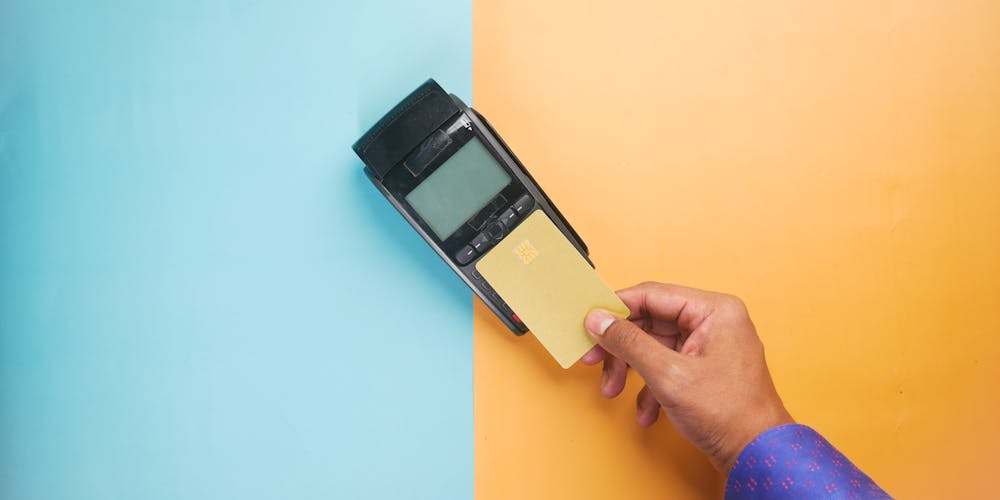
The financial landscape is witnessing a seismic shift with the rising prominence of Buy Now, Pay Later (BNPL) services. Historically rooted in installment plans from as far back as the 1840s, BNPL has evolved into a modern, consumer-friendly payment solution. The concept has resonated deeply with today’s consumers, especially younger demographics such as Gen-Z and Millennials, who prize flexibility and ease of use over traditional credit mechanisms. Banks, aiming to stay competitive, are taking note of these consumer preferences, and many are beginning to consider the integration of BNPL services into their financial offerings.
The Rise and Evolution of BNPL
BNPL services aren’t entirely new but are a contemporary iteration of installment payment plans. Historically, these plans have existed since the 1840s, when consumers sought ways to defer payments for goods. This deep-rooted consumer behavior has been adapted into the digital age, transforming how payments are made. The evolution showcases BNPL as an enduring concept, now fueled by technology and the internet, enabling instant approvals and seamless integration at the point of sale. Modern BNPL platforms utilize advanced algorithms and vast swathes of data to assess creditworthiness in real-time, making it an appealing alternative to traditional credit.
The proliferation of e-commerce and digital transactions has further accelerated the adoption of BNPL. Consumers value the instant gratification provided by these services, where they can acquire products immediately while spacing out payments over a period. Unlike traditional credit cards, BNPL plans often do not charge high interest rates if payments are made on time, making it an attractive option for budget-conscious individuals. As a result, the BNPL market has expanded rapidly, drawing attention from both consumers and financial institutions alike. Banks now find themselves at a crossroads where traditional credit models are being challenged, prompting them to innovate and integrate BNPL solutions.
Consumer Behavior and the Appeal of BNPL
The appeal of BNPL services lies in their straightforward, user-centric design. Consumers, particularly younger ones, are drawn to the easy approval processes and the absence of exorbitant interest rates often associated with credit cards. The integration of BNPL at the checkout stage in both online and physical stores further enhances this appeal, making the payment method incredibly convenient. Moreover, the transparency of BNPL solutions, which clearly outline repayment schedules and lack hidden fees, adds to their attractiveness among consumers wary of traditional credit pitfalls.
The consumer satisfaction metrics with BNPL solutions are overwhelmingly positive. Surveys highlight that users appreciate the transparency and flexibility that BNPL offers, contributing to higher adoption rates. This growing trust and reliance signify a broader shift in consumer payment preferences—all the more reason banks should integrate BNPL to stay aligned with market demands. As younger demographics, especially Gen-Z and Millennials, increasingly dominate the consumer landscape, adapting to their preferences is crucial for financial institutions. These age groups favor financial tools that promote financial literacy and offer straightforward, manageable repayment options.
Strategic Advantages for Banks in Offering BNPL
For banks, entering the BNPL market presents both an opportunity and a strategic necessity. With an evident surge in consumer preference towards BNPL, banks can capture a lucrative segment by offering these solutions. Not only does this enhance customer satisfaction and loyalty, but it also positions banks as innovative leaders in financial services, capable of adapting to evolving market conditions. Moreover, by integrating BNPL into their offerings, banks can appeal to a broader demographic, including younger customers who are less inclined to use traditional credit products.
In addition, BNPL can serve as a pipeline for cross-selling other financial products and services. By building trust through BNPL offerings, banks can introduce consumers to a wider range of credit and financial management solutions, fostering deeper customer relationships. Furthermore, the introduction of BNPL services can spur innovation across other credit offerings. This includes developing new financial products that align with the transparency and low-cost structure of BNPL, ultimately benefiting the broader financial ecosystem. Banks that adapt quickly to this shift are likely to gain substantial competitive advantages in the long term.
Approaches to Implementing BNPL Services
Banks can choose between two primary strategies to implement BNPL services: developing the solution in-house or partnering with established fintech providers. Developing in-house provides greater control over the product and its features but is resource-intensive and time-consuming. This approach may be preferred by banks with sufficient resources and a robust technological infrastructure, aiming for a custom-built and highly integrated solution. However, the longer development timelines associated with in-house solutions can delay market entry, potentially ceding ground to more agile competitors.
On the other hand, partnering with fintech companies offers expediency and resource efficiency. These collaborations allow banks to leverage the expertise and established infrastructure of fintech firms, ensuring a faster rollout. This approach enables banks to enter the BNPL market swiftly, capitalizing on the growing demand without the protracted timelines and high costs involved in developing proprietary solutions. However, this might require banks to adapt to the fintech partner’s operational methodologies and relinquish some level of control. Banks must carefully evaluate these trade-offs to determine the most strategic path forward in implementing BNPL solutions.
Designing a User-Centric BNPL Solution
Regardless of the chosen implementation path, the fundamental success of BNPL services lies in their user-centric design. Banks must ensure that their offering provides a transparent and straightforward experience. Clarity on payment timelines, associated fees, and terms of service is crucial to avoid dissatisfaction and build trust. Effective communication of these details helps manage consumer expectations and fosters positive user experiences. Ensuring transparency and ease of use will be key in driving consumer adoption and usage of BNPL services offered by banks.
Furthermore, the digital experience should be seamless and intuitive, mirroring the effortless integration witnessed in other popular BNPL solutions. This includes ensuring easy accessibility across multiple platforms—whether on mobile apps, websites, or in-store systems. A customer-focused approach will not only drive adoption but also foster long-term loyalty. Integrating feedback mechanisms and continuously refining the user interface based on consumer input can further enhance the service’s appeal. By prioritizing user experience, banks can create BNPL solutions that resonate with consumers, ultimately contributing to sustained growth and competitive positioning in the financial market.
Positioning BNPL Within the Financial Ecosystem
The financial landscape is undergoing a significant transformation with the rise of Buy Now, Pay Later (BNPL) services. These services, which trace their roots back to installment plans as early as the 1840s, have been modernized into a consumer-friendly payment solution that caters to today’s needs. BNPL has particularly struck a chord with younger generations, including Gen-Z and Millennials, who value its flexibility and ease of use compared to traditional credit options. This demographic shift is influencing the entire financial sector. To remain competitive and meet evolving consumer preferences, banks are taking notice and many are exploring ways to integrate BNPL services into their financial offerings. This integration is seen as a way to attract and retain customers who are increasingly seeking more adaptable and user-friendly financial solutions. As BNPL continues to gain traction, it is reshaping not only consumer behavior but also the strategies of financial institutions striving to meet these new demands.