

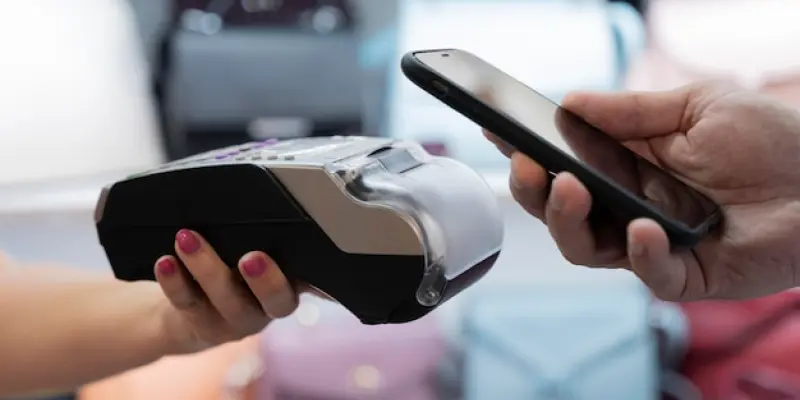
In today’s rapidly evolving financial landscape, one might assume that digital wallets have effectively phased out tangible payment methods. However, the reality diverges from this notion. Despite sweeping advancements in digital payment options, a significant number of consumers, particularly in the United Kingdom, hold onto their physical payment cards with unwavering resolve. The intriguing dynamics between digital convenience and the enduring favor for physical cards illustrate a fascinating aspect of current financial behaviors. Through an examination of this trend, it becomes clear why many continue to value physical cards as an essential component of their financial toolkit in contrast to exclusively relying on digital solutions.
Consumer Trust and Security
Sustaining Traditional Payment Methods
Understanding why consumers maintain a preference for physical cards is rooted significantly in concerns over technology failures. Many individuals feel an inherent trust in a system where transactions are anchored in tangible terms. Instances like a dead phone battery or technical malfunctions could spell disaster for those relying solely on digital wallets. Therefore, consumers see physical cards as a reliable backup when technology falters. A study from Zilch supports this claim, indicating that a substantial 66% of shoppers persist in carrying their physical cards daily, underscoring the practical attitude rooted in potential digital disruptions.
This hesitancy towards complete digitization transcends generational lines, reflecting shared consumer behavior across diverse demographics. While it might be expected that younger, tech-savvy consumers would lead the charge in digital-only payments, the data reveals otherwise. A careful look at the numbers shows that 52% of Gen Z and an impressive 77% of Baby Boomers prefer holding onto physical cards as a safety net. This collective inclination indicates that the tangible reassurance these cards provide continues to drive their popularity despite technological advances promising convenience and security.
Hybrid Solutions for Modern Consumers
Amid these behavioral patterns, payment technology firms are taking note and adapting their strategies to meet consumer needs effectively. Zilch’s move to introduce a physical card in collaboration with Visa stands as a testament to acknowledging this prevailing trend. Rather than merely pushing for a shift towards virtual payments, companies recognize the significance of giving their users the flexibility to choose their preferred mode of transaction. By offering a hybrid solution that marries digital convenience with the security of physical cards, they’re positioned to cater to various customer expectations and comfort levels.
The implementation goes beyond mere consumer satisfaction—it symbolizes an inclusive approach toward payment options. Such initiatives highlight a commitment to accommodating evolving consumer preferences while paving the way for the gradual adoption of technology without negating the assurance of traditional methods. This approach ensures that consumers remain in control, able to navigate seamlessly between physical and digital payment methods, aligning with the principle of offering choices reflective of individual preferences and circumstances.
Future Implications and Market Evolution
Evolving Financial Technology Adoption
The steadfast preference for physical cards despite the rise of digital payments provides deeper insights into the nuanced adoption of financial technology. It’s not merely about resisting change but embracing it cautiously. Consumers appear to favor a gradual transition that allows room for trust to be built with new technologies. This highlights the importance of maintaining options that blend innovation with familiar and reliable methods. Firms navigating this landscape successfully will likely be those that listen to consumer feedback, anticipate market needs, and respond proactively.
The trend also signifies an essential aspect of user perspective in technological adaptation. Understanding consumer confidence levels and pain points could foster better innovation, dictating products that truly answer these concerns. Moreover, as generations adapt to changing landscapes, one could foresee an eventual shift towards increased digital adoption, but with an assurance that traditional methods offer. As the market evolves, industry stakeholders must carefully balance technological advancement against practical consumer demand to achieve widespread acceptance.
Paving the Way Forward
In today’s fast-paced and ever-changing financial world, one might reasonably think that digital wallets have largely replaced traditional payment methods. Yet, the reality is more nuanced. Despite the rapid proliferation of digital payment options, a considerable number of consumers, especially in the United Kingdom, continue to embrace their physical payment cards with steadfast loyalty. This intriguing balance between digital ease and the longstanding popularity of physical cards sheds light on fascinating current financial behaviors. A closer look at this ongoing trend reveals why many individuals persistently view physical cards as a crucial part of their financial toolkit, rather than solely depending on digital alternatives. While digital options offer undeniable convenience, the tactile familiarity and reliability of physical cards provide reassurance to many, maintaining their place in the rapidly evolving payments landscape. This illustrates a unique duality in consumer preference, where digital innovation coexists with time-tested traditional approaches.