

The digital transformation of the Philippine financial landscape reached a significant milestone recently as the local market finally integrated one of the world’s most anticipated mobile payment systems into its daily commerce cycle. While cash has historically dominated the archipelagic nation, the rapid expansion of modern banking infrastructure in 2026 has paved the way for a more streamlined and contact-free transactional experience for millions of smartphone users. This integration does not merely offer a new way to spend money but signifies a deeper alignment with international financial standards that prioritize biometric security and tokenized data protection. As consumers look for ways to reduce friction at checkout counters, the introduction of this service provides a compelling alternative to physical cards, which are often prone to theft or loss. The arrival of such technology fundamentally alters the relationship between the consumer and their bank by turning a personal mobile device into a financial hub that operates with unparalleled speed.
1. Financial Institutions Supporting Contactless Adoption
UnionBank has emerged as a primary partner in this rollout, offering support for both credit and debit cards to ensure a broad segment of its customer base can access these new features immediately. Meanwhile, GoTyme Bank has optimized its digital-first approach by enabling its Visa debit cards for the platform, catering specifically to the growing population of mobile-savvy depositors who prefer managing their finances without visiting a physical branch. Traditional heavyweights like Metrobank and China Bank have also joined the fray, providing compatibility for their respective credit and debit offerings to ensure that established account holders are not left behind in this technological shift. These partnerships represent a calculated effort by the local banking sector to modernize the consumer experience, reducing the reliance on physical plastic while enhancing the security layers associated with every tap. This unified front among several major institutions helps create a cohesive ecosystem for digital spending across the islands.
The selection of these specific banks highlights a strategic move toward inclusivity in the digital economy, targeting both long-standing traditional banking clients and the newer generation of digital-only users. By supporting both Visa and Mastercard networks through these institutions, the payment system ensures that a wide variety of existing accounts can be transitioned into the mobile environment without the need for card replacements. The integration of debit cards is particularly significant in the local context, as a large portion of the population relies on debit for daily expenses rather than credit lines. This broad support encourages a faster adoption rate, as users do not have to apply for new financial products to enjoy the benefits of contactless payments. As more banks are expected to join the ecosystem, the initial group of four institutions serves as a blueprint for how legacy systems can effectively pivot toward modern, mobile-centric solutions that prioritize user convenience and safety.
2. Configuration Procedures for Mobile and Wearable Devices
To initiate the setup process on a compatible smartphone, a user must launch the native Wallet application and locate the plus-symbol icon situated in the upper-right corner of the interface. Upon selecting this icon, the user should pick the option for debit or credit cards and tap continue to move into the scanning phase where the camera captures the card details. If the add card option is missing, one should navigate to the general settings menu under language and region to ensure the location is set to the Philippines. Once the card information is captured, the bank requires a security verification step, typically involving a one-time password sent via text message or a brief phone call to the bank’s dedicated customer service line for identity authentication. Completing these steps ensures that the digital card is ready for immediate use. Ensuring that the operating system is updated to the latest version is also critical, as newer security patches contain the necessary drivers for local bank compatibility.
Enhancing the convenience of the payment ecosystem, the service can also be mirrored onto a wearable device to allow for truly hands-free transactions at retail locations. To begin this secondary configuration, the user must open the dedicated watch management application on the iPhone that is currently paired with their wearable hardware. Inside this app, navigating to the my watch tab will reveal the specific submenu for wallet and payment settings where the user can manage their active cards. By selecting the add card prompt, the user is given the choice to either sync a card that has already been verified on their phone or register a completely new card specifically for the watch. This process usually involves a simplified verification step similar to the phone setup, ensuring that the watch acts as a secure extension of the primary digital wallet. Once the card is successfully provisioned, it is stored locally on the watch’s secure element, allowing it to function independently even if the paired phone is not in range.
3. Transactional Mechanics and Local Merchant Acceptance
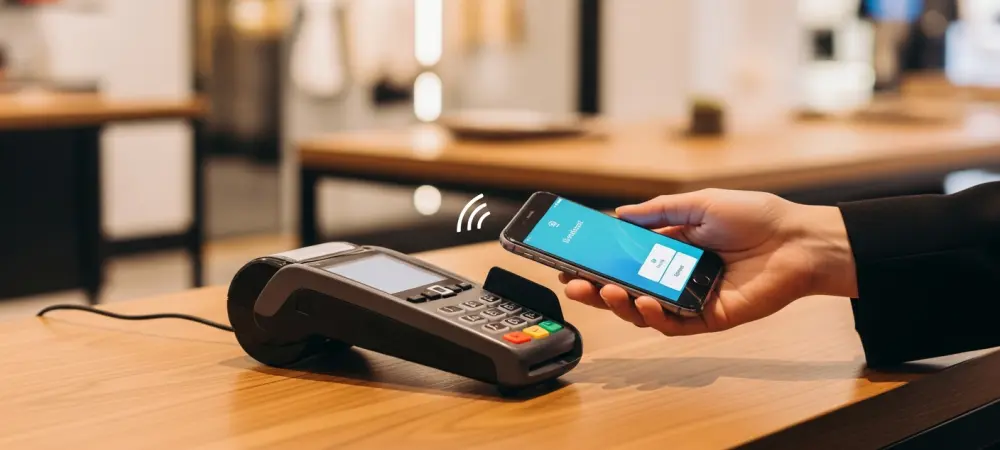
Conducting a purchase with this technology is designed to be faster than searching for physical cash or swiping a traditional plastic card at the point of sale. To trigger the default card for payment, a user simply double-taps the side button on their smartphone or wearable device, which immediately brings the wallet interface to the forefront of the screen. The next phase involves identity verification, which is handled through advanced biometric systems such as facial recognition or fingerprint scanning, or alternatively, by entering the device’s passcode for an added layer of manual security. After the identity is confirmed, the user holds the top portion of their device near the contactless reader at the checkout counter until a gentle vibration or an on-screen checkmark signifies that the transaction has been successfully processed. This method minimizes physical contact with public surfaces while ensuring that the actual card numbers are never shared with the merchant, providing a much safer environment for data exchange.
Retailers throughout the country began updating their terminal infrastructure to accommodate these contactless methods, with major chains like 7-Eleven and Starbucks leading the early adoption phase. Consumers were encouraged to check for the universal contactless symbol at any merchant to identify where their digital wallet could be used most effectively. It was recommended that users regularly reviewed their transaction history within the app to maintain better control over their monthly expenditures and security logs. Financial institutions suggested the activation of secondary authentication methods to further protect digital assets as the ecosystem continued to expand. Adopting these habits early helped users transition smoothly into a cashless environment while maximizing the benefits of localized financial technology. Future considerations included the potential for loyalty card integration to further simplify the checkout experience for the average shopper. These proactive steps ensured that the transition to a mobile-first payment economy remained secure.