Data Centres and Virtualization
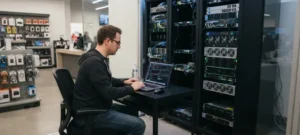
The retail giant is developing a software-driven management platform to oversee the computing systems running across more than 5,000 global stores. This strategic pivot marks a significant departure from established norms as Tesco, the leading grocery retailer in the United Kingdom, moves to modernize its vast edge computing estate. The initiative surfaced through a recent recruitment drive for a Head