

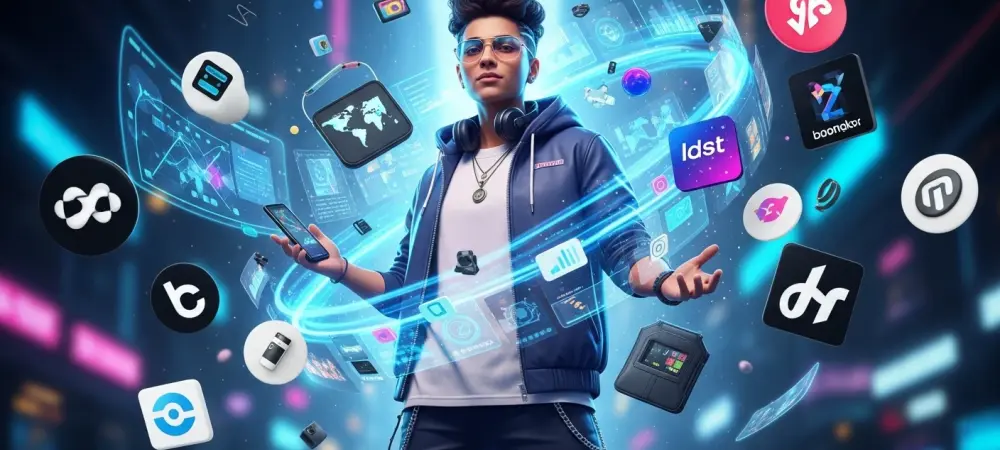
As the digital advertising landscape has matured, a fundamental transformation has solidified its place as the dominant marketing paradigm, with digital now capturing an estimated 70% of global marketing expenditure and rendering many once-guaranteed strategies obsolete. The modern consumer, navigating a world saturated with algorithmically generated content and generic brand messaging, has developed a profound skepticism and a powerful craving for authentic connection. This analysis explores the reality of the current marketing environment, which is not merely influenced by creators but fundamentally led by them. Deep, strategic, and technologically enhanced partnerships with content creators have become the most critical asset for brands, serving as the essential bridge of trust in an intensely crowded digital world.
From Influencer Tactics to Strategic Imperatives: The Evolution of Creator Marketing
The creator economy’s rise from a tactical channel to a strategic cornerstone represents a seismic and now fully realized shift. In its infancy, “influencer marketing” was often transactional—a one-off post for a flat fee, treated as a simple media buy. However, as generative AI has made it possible to produce floods of polished but soulless content, the intrinsic value of genuine human connection has skyrocketed. Consumers are no longer passively accepting brand messages; they actively seek relatable stories and trustworthy recommendations from individuals they feel they know and respect.
Creators, who have meticulously cultivated communities built on this very trust, are uniquely positioned to meet this demand. This evolution has elevated them from peripheral players in a campaign to integral, long-term partners who shape every stage of the customer journey. Their influence extends from generating initial awareness and interest to driving consideration, facilitating purchases, and fostering post-purchase loyalty. This integration marks the clear distinction between the marketing tactics of the past and the strategic imperatives of today.
The Core Pillars of the Creator-Centric Strategy
Authenticity as Currency: How Creators Build Unbreakable Trust
The foundational principle of the current marketing landscape is the authentic influence wielded by content creators. With 75% of buyers using social media to inform their purchase decisions, the voices they trust matter more than ever. A remarkable 69% of consumers trust creator recommendations, a figure that dwarfs their confidence in traditional advertising. Creators fulfill this crucial role by acting as architects of the customer journey, strategically inserting a brand’s message into a consumer’s feed at the perfect moment. Their content can guide a potential customer from the top of the funnel with an awareness-building video to the bottom with a post that drives an immediate purchase. More importantly, they serve as beacons of trust; a creator’s endorsement is perceived as a genuine recommendation from a respected peer, effectively transferring their hard-won credibility directly to the brand. This dynamic is amplified through personalized engagement, where creators answer questions in comments and direct messages, offering tailored advice. This transforms a passive ad view into an active, consultative experience that brands, despite their resources, cannot replicate at the same scale or with the same level of perceived sincerity.
Tech-Augmented Influence: AI and Mixed Reality as Creator Superpowers
Rather than making human creators obsolete, technology has become their most powerful ally. Artificial intelligence is an indispensable tool for optimizing the efficiency and impact of creator marketing. AI-powered platforms are now standard for helping both brands and creators with advanced concept ideation, providing hyper-targeted audience engagement analytics, and delivering comprehensive performance measurement that connects content directly to conversions. These tools allow for smarter budget allocation and continuous campaign optimization based on real-time data.
Simultaneously, the line between the digital and physical worlds continues to blur through immersive social experiences. Virtual Reality (VR) enables creators to host exclusive events in branded virtual worlds, offering followers unique and memorable interactions. Augmented Reality (AR) has become a key feature for commerce, allowing followers to virtually “try on” products or visualize items in their own homes through a creator’s filter or lens. These technologies do not replace the creator; instead, they provide a more dynamic and engaging stage on which to build community and showcase products.
Beyond the Campaign: The Shift to Integrated Commerce and Long-Term Ambassadorships
The final pillar of this new era is the structural change in how brands and creators collaborate. Friction is the enemy of conversion, and the rise of seamless social commerce—fully integrated within platforms like TikTok Shop and Instagram Shop—is the definitive solution. Creator-led storefronts are a dominant sales channel, transforming creators from marketers into direct points of sale and dramatically shortening the path from discovery to purchase. A consumer can watch a review, tap a product tag, and complete the purchase without ever leaving the app.
This commercial integration supports a broader strategic move away from transactional, one-off campaigns toward long-term ambassadorships. This model offers immense operational efficiency by eliminating the need to onboard new talent for every initiative. Its true value, however, lies in cultivating unmatched authenticity. When a creator consistently integrates a brand into their content over years, it ceases to be an advertisement and becomes a genuine part of their story. This sustained endorsement builds deep, credible brand loyalty among a primed and receptive audience that has grown to associate the brand with a trusted voice.
Peeking Over the Horizon: Emerging Technologies and Models Shaping the Future
Looking forward from today, the convergence of these trends will forge a marketing landscape that is even more dynamic, personalized, and human-centric. The evolution of social commerce is leading to creators becoming full-fledged media and retail hubs, curating entire ecosystems of content and products for their dedicated communities. AI will continue to advance, offering predictive insights that will allow brands and creators to anticipate consumer needs before they are even articulated, moving from reactive to proactive marketing. As mixed reality devices become more accessible and powerful over the next few years, the opportunities for immersive brand storytelling will expand exponentially. We are moving from simple AR filters to complex, persistent virtual brand experiences co-created with top-tier talent. The future belongs to brands that see creators not as a channel to be managed but as strategic co-pilots in navigating the complex digital environment.
Navigating the New ErActionable Strategies for Brand Success
To capitalize on these market realities, brands must act decisively. The first step is to educate internal teams, from the C-suite down, on the strategic importance of the creator economy, moving it from a siloed social media function to a core component of the overarching marketing mix. It is no longer a niche tactic but a central pillar of brand growth. Secondly, marketing budgets must be reallocated to prioritize high-quality, long-term creator partnerships over a high volume of short-term, tactical activations that yield diminishing returns. The focus must shift from reach to resonance and from impressions to influence. Finally, brands must invest in the necessary technological infrastructure, including advanced analytics platforms and AI-powered management software, to effectively identify, manage, and measure the impact of these sophisticated creator-led initiatives. Success in this environment is defined by a brand’s ability to build a robust and authentic creator program.
The Verdict: Why Creator-Led Was the Future, Not a Fad
The evidence was clear: the gravitational center of marketing shifted irrevocably toward the creator. What the industry witnessed was not a fleeting trend but a fundamental realignment of how brands connected with consumers in the digital age. As trust in traditional institutions and advertising continued to erode, the authentic, human-to-human connection that creators offered became the most valuable commodity in marketing. The brands that ultimately defined this era were those that abandoned the old playbook and embraced a future built on genuine partnership, shared value, and authentic storytelling. They understood that in the modern economy, influence was not just rented—it was earned through trust.