

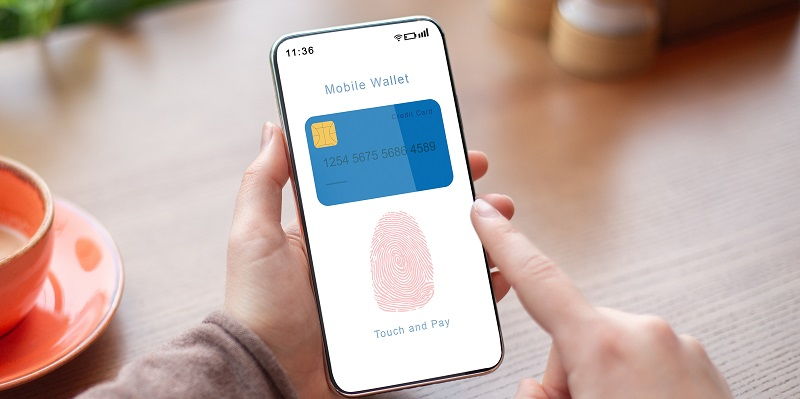
In an increasingly digital world, digital wallets have gained significant popularity among consumers. These virtual wallets provide a convenient way to store payment information and make transactions seamlessly. However, the potential of digital wallets extends far beyond just payment processing. Savvier businesses have started integrating digital wallets into their loyalty programs, recognizing the vast opportunities they offer in terms of customer engagement and retention. In this article, we will explore the untapped potential of digital wallets in loyalty programs, the primary challenges they face, and how businesses can leverage them to create successful customer loyalty initiatives.
The Potential of Digital Wallets in Loyalty Programs
Digital wallets are already being used in loyalty programs, allowing customers to store loyalty cards, redeem rewards, and receive personalized offers. However, these current approaches only scratch the surface of what digital wallets can truly achieve. They fail to fully exploit the potential of this technology to provide seamless and engaging loyalty experiences.
Primary challenges of digital loyalty programs
Implementing digital loyalty programs comes with its own set of challenges. Firstly, businesses need to consider the costs involved in developing and maintaining these programs. While digital wallets provide a cost-effective solution in terms of card production and distribution, businesses must also invest in the necessary technology and infrastructure to support these programs.
Another challenge is ensuring that digital loyalty programs are user-friendly. Customers should be able to easily access and utilize their loyalty cards within the digital wallet interface. A seamless user experience is crucial to ensure widespread adoption and satisfaction.
Additionally, security and data protection are paramount concerns in the age of increasing cyber threats. Businesses must ensure that customer data stored within digital wallets is encrypted and protected from unauthorized access or breaches. Building trust and ensuring privacy will be critical in encouraging customers to embrace digital loyalty programs.
Decreasing App Usage and the Need for Effective Loyalty Programs
According to Insider Intelligence, people are using fewer apps on a regular basis. This shift in app usage behavior highlights the need for businesses to develop innovative solutions to build customer loyalty beyond traditional mobile applications. Digital wallet integration offers a promising avenue to capture and retain customer attention, as they are already familiar with and regularly use their digital wallets for payments.
Leveraging the untapped potential of digital wallets
The true untapped potential of digital wallets lies in their ability to address the challenges faced by digital loyalty programs. Digital wallet passes, in particular, offer flexibility, easy integration, and privacy protection. These passes can be easily added or removed from customers’ digital wallets, eliminating the need for physical loyalty cards. With easy integration capabilities, businesses can quickly deploy their loyalty programs within popular digital wallets, maximizing their reach and accessibility.
Digital wallet passes provide enhanced tracking and analytics, allowing businesses to gain valuable insights into customer behavior and preferences. Through personalized engagement strategies, businesses can deliver tailored promotions and rewards to customers, increasing their loyalty and satisfaction. Furthermore, the expanded brand reach offered by digital wallet passes enables businesses to forge partnerships and collaborations, reaching a wider audience and strengthening their brand presence.
Estimating Future Growth in Digital Wallet Loyalty Programs
According to a study conducted by [research firm], the number of digital wallet users participating in loyalty programs is anticipated to reach a staggering 3.7 billion by 2025. This projection highlights the immense growth potential and the need for businesses to embrace digital wallet loyalty programs. Those who fail to adapt risk being left behind in a rapidly evolving digital landscape.
Promising use cases for digital wallet loyalty programs
Digital wallets have promising use cases across various industries. In sports, for example, digital wallet passes can serve as digital tickets, providing fans with easy access to events and exclusive rewards. In the entertainment industry, digital wallet passes can offer special access to VIP experiences, increasing customer loyalty and satisfaction. Regulated industries such as healthcare and finance can leverage digital wallets to securely store sensitive information and streamline loyalty programs.
The future of customer loyalty programs
The future of customer loyalty programs is undoubtedly digital. With the increasing popularity of digital wallets and the projected growth in participation, businesses can no longer afford to overlook this transformative trend. Adapting to digital loyalty programs will enable businesses to build stronger connections with customers, fostering loyalty and advocacy.
Benefits of embracing digital loyalty programs
Businesses that embrace digital loyalty programs are likely to see significant gains in customer engagement and retention. By leveraging the power of digital wallets, they can create seamless and personalized loyalty experiences, resulting in increased customer satisfaction and loyalty. Case studies have shown that companies who have successfully adopted digital loyalty programs have experienced higher customer spending, increased frequency of purchase, and improved customer lifetime value.
Digital wallets present an incredible opportunity for businesses to revolutionize their loyalty programs. By fully exploiting the potential of digital wallets, businesses can overcome the challenges faced by traditional loyalty programs and create engaging, personalized, and convenient experiences for customers. Those who embrace digital wallet loyalty programs will be well-positioned to thrive in a rapidly evolving digital landscape, cultivating loyal customer bases, and reaping the rewards of increased customer engagement and retention.