

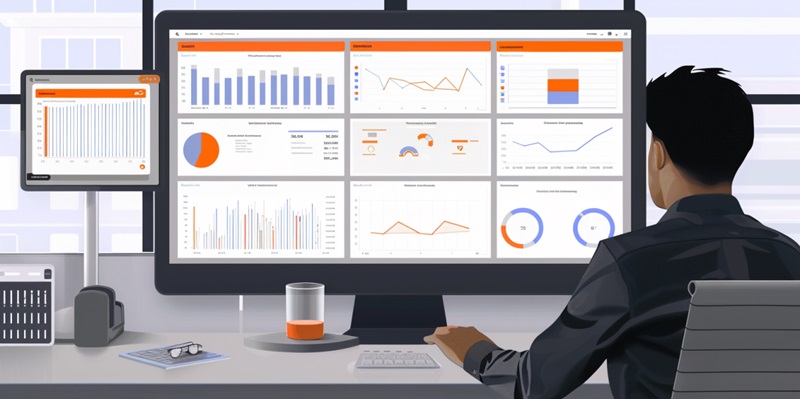
In a presentation that captivated attendees at the Snowflake Summit 2024, Twilio, the company at the forefront of customer engagement technology, introduced pioneering features designed to redefine how businesses manage and leverage data. The debut of the Linked Audiences tool and Segment Data Graph stands as a significant shift in the data management landscape, particularly for companies embracing AI to enhance customer interactions. These innovations harmonize with Twilio’s Segment Customer Data Platform (CDP), improving interoperability with extensive data platforms and warehouses. This milestone reflects a transformative move towards more sophisticated data management and utilization for contemporary businesses.
A New Era of Audience Segmentation: The Linked Audiences Tool
The essence of the Linked Audiences tool shines in its intuitive, no-code user interface, which has been crafted to cater to the needs of both B2B and B2C marketers. This tool empowers them to tap into a rich vein of real-time customer data without the complexities of SQL coding. By enabling easy-to-use segmentation capabilities, Linked Audiences facilitates swift, data-driven marketing strategies, enhancing precision and responsiveness in targeting customer bases. This represents a leap in marketing agility, providing businesses the tools needed to adapt quickly to market dynamics and refine their reach, resulting in deepened customer engagement and potentially increasing returns on investment.
Marketing teams can now cut through the noise and complexity of massive data sets with unparalleled efficiency. As businesses amass an ever-growing volume of customer data, the Linked Audiences tool provides a practical solution for transforming this information into actionable insights. Marketers will gain the capacity to construct refined, targeted campaigns at an unprecedented pace, a significant boon for efficiency and effectiveness. This advancement not only streamlines the execution of sophisticated marketing campaigns but also elevates the level of personalization that can be achieved in customer engagements.
Segment Data Graph: Dynamic Actionable Intelligence
At the heart of Twilio’s innovations revealed at the summit lies the Segment Data Graph. This powerful framework reimagines static data storage into a vibrant wellspring of actionable intelligence. Data teams can now outline and interconnect different data sets, weaving a detailed tapestry of customer interactions that marketers can exploit. The Segment Data Graph enriches customer profiles from various angles, ensuring a 360-degree view that feeds into more nuanced customer engagement tactics. The repertoire of detailed insights this feature provides is an invaluable asset for crafting customizable and highly effective outreach strategies.
The ability to forge a comprehensive narrative from disparate data is a key element that the Segment Data Graph brings to the table. It equips technical marketers and data teams with a means to not just understand, but actively engage with the customer data, turning it into a strategic resource. This deepened understanding allows for crafted experiences that resonate with personalization, increasing the likelihood of a positive customer response. The ripple effects of such an enhanced approach are manifold, potentially driving up consumer satisfaction as well as ROI.
Real-Time Insights and Interoperability: Breaking Down Data Silos
At the Snowflake Summit 2024, Twilio made an indelible impression with the unveiling of trailblazing tools that promise to revolutionize business data management. Twilio, a leading force in customer engagement, revealed the Linked Audiences tool and the Segment Data Graph—innovations set to transform the way companies harness data, especially with AI-driven customer interactions. These groundbreaking features align perfectly with Twilio’s Segment Customer Data Platform (CDP), enhancing the synergy between expansive data warehouses and platforms. This pioneering leap signifies a major evolution in data management, marking a new era for businesses aiming to sophisticate their data handling and application. Twilio’s latest offerings underscore their commitment to propel enterprises towards a future where data is meticulously managed and optimized for maximum impact.