

In the rapidly evolving world of marketing technology, Aisha Amaira stands out as a seasoned expert dedicated to merging technology with marketing strategies. As an innovator in the CRM and customer data platform space, she provides insights into how businesses can harness technological advancements to gain deep customer insights. Today, we explore the breakthroughs and future of a leading platform, Trupeer.ai, with its innovative approach to video content creation for software and business workflows. Trupeer recently secured $3 million in seed funding to revolutionize product video creation, making high-quality content accessible for teams worldwide.
Can you explain the core problem Trupeer aims to solve with its platform?
Trupeer addresses the often cumbersome process of turning raw screen recordings into polished, professional videos. The traditional route requires extensive time spent on editing and grappling with overcomplicated tools, which can be daunting for many teams. Trupeer simplifies this by enabling users to transform basic recordings into finished videos swiftly and efficiently, allowing for clear and scalable content without having to rely on specialized skills or significant financial investment.
How does Trupeer’s AI engine transform a raw screen recording into a polished video?
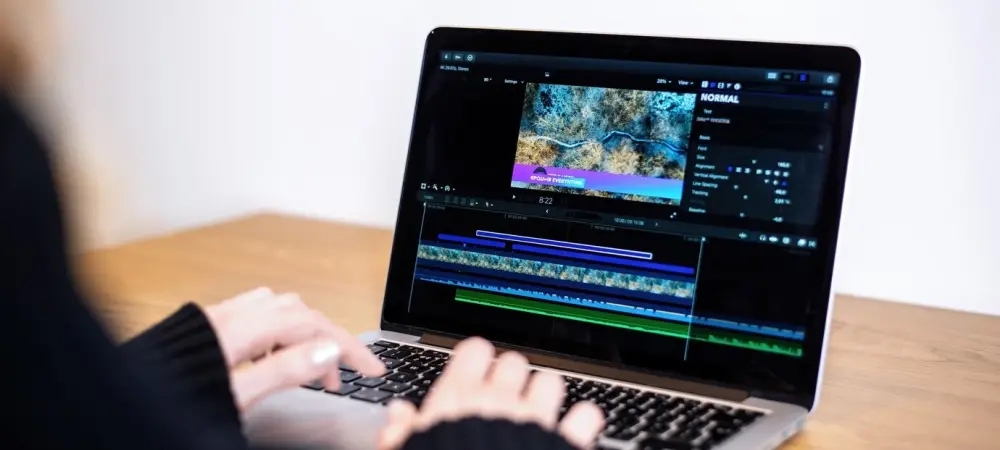
Trupeer’s AI engine is designed to automate and enhance video production processes. It removes filler content, adds studio-quality voiceovers, intelligent zooms, and subtitles, and can even incorporate a human-like AI avatar to enhance audience engagement. The AI smartly tracks cursor actions, making the final output more dynamic. It’s impressive how the system also generates comprehensive documentation alongside the video, leveraging AI to provide a well-rounded suite of content creation tools.
What specific features does Trupeer offer to enhance video creation for businesses?
Among Trupeer’s standout features are its AI-generated voiceovers, automatic subtitles, and the ability to instantly translate videos into over 50 languages. These capabilities make it easier for businesses to reach diverse audiences swiftly. Additionally, the AI infrastructure supports personalization, enabling companies to tailor videos according to language, branding, or specific viewer groups. This tailored approach ensures that the content is both precise and meets various viewer expectations seamlessly.
Can you describe the fundraising process and the key participants in Trupeer’s seed round?
Trupeer’s seed round successfully raised $3 million. Leading the charge was RTP Global, with significant contribution from Salesforce Ventures, following Trupeer’s notable performance at the Salesforce AI Pitchfield. This investment was further supported by a committed group of over 20 CIO and CTO angel investors from prominent Fortune 500 companies, reflecting strong trust and anticipated value in Trupeer’s innovative capabilities.
How did Trupeer’s victory at the Salesforce AI Pitchfield contribute to its funding success?
The victory at the Salesforce AI Pitchfield was a pivotal moment for Trupeer. Not only did it validate Trupeer’s technological promise, but it also attracted attention from forward-thinking investors like Salesforce Ventures. This recognition solidified investor confidence, catalyzing support and contributing significantly to their successful fundraising round.
What impact has Trupeer had on teams’ workflows in terms of time and productivity?
Trupeer has notably accelerated content creation workflows by enabling teams to produce professional-grade videos swiftly. This reduction in turnaround time means teams can engage with their audiences more effectively, reducing the need for excessive support tickets and speeding up training and onboarding processes across different departments. Consequently, teams can reallocate resources to focus on creativity and strategy rather than getting bogged down in production logistics.
Who are the typical users of Trupeer’s platform, and what types of businesses benefit most?
Trupeer serves a diverse user base, from agile startups to well-established Fortune 500 companies. Businesses involved in product demonstrations and internal training—those maintaining a global outlook—find Trupeer particularly beneficial. Its ability to produce high-quality content quickly empowers software developers, marketing teams, and customer service departments to communicate effectively and efficiently.
How does Trupeer personalize videos for different audiences or brand styles?
The personalization capabilities of Trupeer are driven by its AI layer, which allows users to create multiple versions of a single video. These can be customized according to audience preferences, language requirements, or brand guidelines. This ensures that each piece of content resonates deeply with its target audience, enhancing the impact and reach of a company’s message.
In what ways does Trupeer plan to expand beyond screen recordings in the future?
Looking ahead, Trupeer envisions broadening its horizons by extending its capabilities beyond mere screen recordings. They plan to innovate ways to generate video from documents and further integrate personalization at a larger scale. Additionally, plans include embedding Trupeer into commonly used tools and platforms such as CRMs, creating a seamless user experience across various business processes.
How is Trupeer integrating with existing tools and platforms used by teams?
Trupeer is actively working on integration strategies to embed its video creation capabilities into the platforms businesses already rely on, such as CRM systems and learning management platforms. This focus on seamless tool integration is poised to enhance team productivity by allowing easy access to Trupeer’s robust features within familiar workflows.
Can you share more about Trupeer’s long-term vision and goals for content creation in organizations?
Trupeer’s long-term vision is ambitious yet transformative. They aim to go beyond creating standalone videos to establish a comprehensive content creation system that acts as an organizational knowledge repository. By allowing seamless creation, sharing, and access to content, Trupeer intends to revolutionize how knowledge and processes are managed within companies, ultimately enabling smarter, more efficient workflows.
How do Trupeer’s features differ from traditional video editors or screen recorders?
The primary distinction lies in Trupeer’s automation and AI personalization capabilities. Traditional editors and recorders often require extensive manual input and expertise to achieve a polished result. Trupeer’s platform simplifies this through AI-powered enhancements that allow users to quickly create professional-quality content without needing in-depth technical skills or additional software.
What kind of feedback has Trupeer received from its users, and how has it influenced the platform’s development?
Feedback has been overwhelmingly positive, with users appreciating the platform’s ability to handle complex video creation needs without the associated hassle. This supportive user feedback serves as a crucial guide for Trupeer’s ongoing development and refinement, ensuring that the platform continuously evolves to meet the growing needs and expectations of its users.
What challenges do you foresee as Trupeer continues to evolve and expand its offerings?
Scaling technological capabilities while maintaining ease of use is a key challenge. As Trupeer expands its offerings, ensuring that new features are intuitive and seamlessly integrated with existing workflows will be crucial. Additionally, they must stay ahead of rapidly evolving technological trends to keep their platform relevant and competitive.
Do you have any advice for our readers?
For businesses looking to thrive in today’s digital age, embracing the swift integration of AI and personalization in content strategies is vital. Leveraging technology like Trupeer not only enhances communication but also significantly increases efficiency, allowing businesses to focus more on innovation rather than production hassles. Hence, adopting such technology early can offer a significant competitive advantage.