

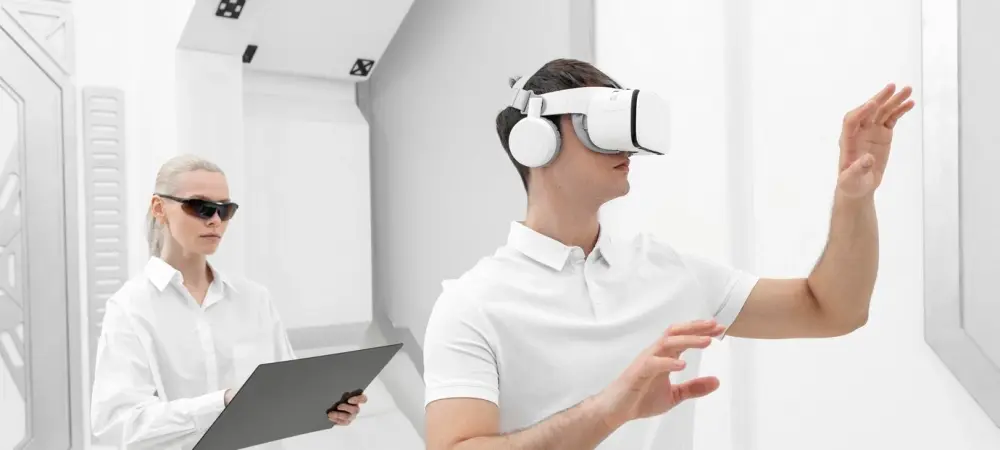
The Unstoppable Rise of Smart Glasses
Record Growth Phenomenon
Recent projections indicate that smart glasses are on a remarkable upward trajectory, anticipating the market to swell from $1.93 billion to $8.26 billion by 2030. These numbers underline an enthusiastic global embrace of technology, signaling a shift from gadgets being seen as mere novelties to essential business tools. Adoption rates are climbing, driven by consumer-friendly designs and increasing awareness of their potential in real-world applications. Businesses are beginning to see how smart glasses can enhance both customer experience and employee productivity, catalyzing market growth.
Everyday Integration and Breakthroughs
The emergence of consumer-centric designs like the Ray-Ban Meta and Oakley Meta represents how smart glasses blend style with functionality. These models effectively capture public imagination by merging digital experiences seamlessly with everyday wear, illustrating successful integration into daily life. Successful case studies from leading enterprises showcase practical benefits like improved service efficiency and personalized customer interactions. Companies adeptly use smart glasses to furnish real-time data to front-line employees, enabling them to address customer needs rapidly and accurately.
Navigating Expert Opinions and Industry Analysis
Insights and Transformation in CX
Industry experts highlight that while smart glasses offer incredible potential for elevating customer service, they also pose challenges that require businesses to rethink their operational models. These devices necessitate a reorientation from conventional interaction paradigms toward more dynamic, context-sensitive approaches. The overlay of digital information in real time redefines how customer interactions are handled, prompting businesses to bolster their adaptability and integration strategies. Experts also mention the transformative power of spatial computing as a critical enabler in unlocking smart glasses’ full potential in CX enhancements.
Industry Challenges and Opportunities
While businesses are eager to harness the capabilities of smart glasses, they also face challenges such as ensuring data security and managing technical complexities. Despite these hurdles, the potential benefits are undeniable. The technology promises marked improvements in operational efficiency and customer satisfaction levels. Organizations willing to embrace this innovation must undertake strategic planning and invest in developing infrastructure that supports these advancements. Such foresight could usher in a new era of enriched customer experiences that align with evolving market demands.
Envisioning the Future Landscape of CX
A Glimpse Into Prospective Transformations
The future of customer experience is bound to be deeply intertwined with smart glasses, as more businesses recognize the value of hands-free digital engagement. These tools are anticipated to deliver more personalized and nuanced interactions through integration with AI and spatial computing. Leveraging these technologies, companies can create enriched environments where data-driven insights enhance every facet of customer service, from in-store navigation to personalized marketing. The benefits promised include heightened customer engagement, improved training mechanisms, and seamless information access.
Industry-Wide Benefits and Emerging Challenges
Potential industries standing to gain from smart glasses include retail, healthcare, and logistics, where the technology can facilitate greater accuracy and customer satisfaction. Nevertheless, challenges like technology adoption hurdles and cost management persist. For industries to thrive with these innovative developments, strategic initiatives and collaborative efforts with technology providers are key. By addressing these challenges, smart glasses can lead a transformative impact, accelerating growth and innovation across sectors.
Concluding Reflections and Strategy Recommendations
The shift towards smart glasses in redefining customer experience marks an exciting frontier for technology-driven engagement. Organizations that embrace these changes recognize the importance of incorporating emerging technologies within their operations strategically. By fostering interdisciplinary collaboration, businesses innovate in how they interact with customers, establishing a competitive edge. Future readiness hinges on preparing infrastructure and cultivating adaptability, ensuring organizations are well-poised to leverage the advantages posed by smart glasses. Embracing this transformative technology underlines a pivotal step towards enriching customer interactions and driving business growth in a rapidly evolving digital landscape.