

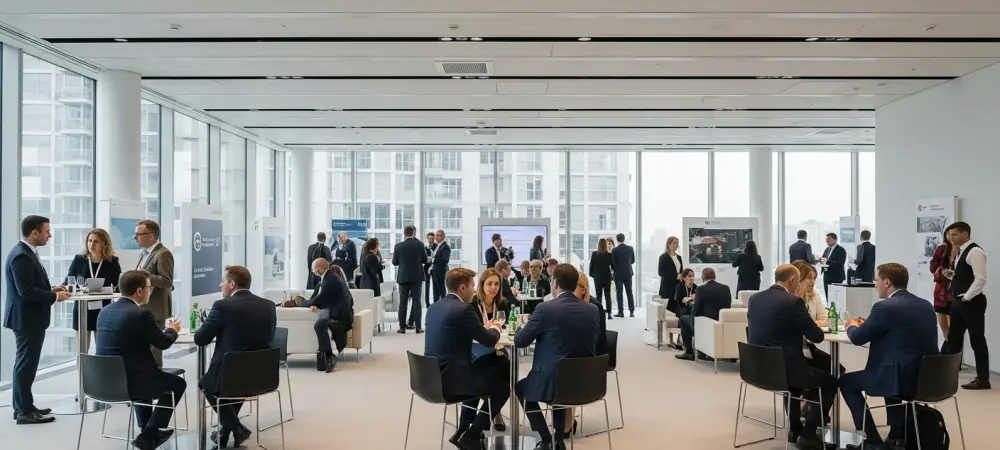
The deafening roar of a thousand simultaneous sales pitches in a cavernous exhibition hall is rapidly being replaced by the focused hum of strategic conversation in exclusive, well-appointed forums. The long-held belief that success in B2B events is a function of scale has become obsolete. In an age defined by information overload and competing priorities, senior executives now prioritize relevance and tangible outcomes above all else. This analysis examines the definitive shift away from mass-market trade shows toward curated, invitation-only gatherings, exploring the drivers, benefits, and future trajectory of this transformative trend.
The Paradigm Shift from Mass Audiences to Strategic Gatherings
The evolution of B2B marketing reflects a broader market maturity that values precision over volume, as the traditional model, built on maximizing footfall, increasingly fails to deliver meaningful engagement for its most valuable participants. Senior decision-makers, overwhelmed by a sea of irrelevant pitches, find diminishing value in these large-scale environments. In response, a new model has emerged, one that is built on the principles of selectivity, relevance, and purposeful interaction, fundamentally reshaping how high-level business is conducted.
Data and Dynamics: The Declining ROI of Volume
Recent market research illuminates a clear trend of attendee fatigue and diminishing returns associated with large-scale exhibitions. Data from leading industry reports show that while attendance numbers may remain high, the rate of qualified lead generation per dollar spent has steadily declined. This inefficiency stems from a fundamental misalignment between the event’s structure and the needs of its most influential attendees, who must sift through noise to find signals of value.
In contrast, investment in niche, curated B2B events is experiencing significant growth, a trend particularly pronounced in maturing markets like the Middle East. Projections from 2026 to 2028 indicate a sustained reallocation of marketing budgets toward these targeted formats. This financial pivot is a direct response to the evolving expectations of senior B2B buyers. Surveys consistently show that these executives demand personalized and efficient networking opportunities, valuing events that respect their time and provide direct access to peers and relevant solution providers.
Curation in Practice: Real-World Success Stories
The success of this curated model is evident in a new wave of exclusive events across the Middle East. For instance, a recent luxury travel congress in Riyadh and an HR technology summit in the UAE were structured as invitation-only forums. By limiting attendance to pre-qualified decision-makers and hand-selected solution providers, these events created an environment free from the distractions of a conventional trade show floor.
This meticulously controlled setting ensures that every participant has a clear and relevant purpose for being there. Decision-makers arrive with specific challenges and investment plans, while vendors are present because their solutions directly address those needs. The model’s focus on relevance, confirmed business intent, and decision-making authority creates a powerful synergy, transforming the event from a passive showcase into an active engine for commerce and innovation. Consequently, these forums consistently generate superior commercial outcomes, fostering partnerships that are both immediate and enduring.
Expert Insights: Why Relevance Has Replaced Reach
Marketing strategists observe that curated events are powerful tools for building brand trust. By investing in an environment that respects an executive’s time and intelligence, a company sends a clear message: it seeks to be a partner, not just a vendor. This approach sidesteps the transactional nature of mass marketing, cultivating a perception of exclusivity and thoughtfulness that resonates deeply with a senior audience. This act of prioritizing relevance over sheer volume builds a foundation of trust that is far more valuable than a vast, impersonal database of contacts.
From an operational standpoint, event organizers highlight the immense strategic advantages of a hand-selected audience. The curation process eliminates the unpredictability of a mass-market event, guaranteeing that every interaction has the potential for significant impact. This allows for a more focused allocation of resources, from venue selection to content programming, ensuring that the entire experience is tailored to the specific needs of the high-value participants. This precision not only enhances the attendee experience but also provides sponsors with unparalleled access to a qualified and engaged audience.
Furthermore, industry analysts point to the superior data and actionable insights generated by these forums. Unlike large exhibitions where gauging individual interests is nearly impossible, the selective nature of an invitation-only event allows for the precise tracking of participant intent. Organizers and sponsors can understand why each delegate is present and what strategic goals they are pursuing. This high-fidelity data enables highly effective, personalized follow-up strategies that nurture relationships long after the event concludes, thereby fostering deep and lasting customer loyalty.
The Future Trajectory: Redefining B2B Engagement
The move toward curated events is not a fleeting trend but a permanent restructuring of B2B marketing strategy, signifying a mature understanding that in a competitive landscape, the quality of engagement far outweighs the quantity of impressions. This strategic pivot reflects a permanent change in how value is created and measured in the B2B ecosystem, with a focus on building genuine, lasting business relationships.
Future developments in this space will likely include the rise of hyper-niche events catering to extremely specific industry verticals or business challenges. The integration of AI-powered matchmaking platforms will further refine the curation process, enabling even more precise pairings between buyers and solution providers based on complex data points. This technological enhancement will make these targeted gatherings even more efficient and impactful. For forward-thinking brands, embracing this model offers a clear path to stronger ROI and deeper, more resilient client relationships. These organizations will continue to reallocate funds from large, impersonal exhibitions to these targeted, experience-led engagements. Conversely, brands that fail to adapt and continue to rely on outdated mass-market tactics risk becoming irrelevant, struggling to capture the attention of decision-makers who now expect and demand a more sophisticated approach to engagement.
Conclusion: The Inevitable Triumph of Intent
The analysis demonstrated the clear inefficiency of the mass-market event model in an era of executive time scarcity, as the rise of the discerning, time-conscious B2B buyer, coupled with the proven commercial and relational value of curated engagement, has cemented a new paradigm. The data, practical examples, and expert opinions all pointed to an industry undergoing a fundamental and permanent transformation. Success in the modern B2B event landscape was redefined not by the quantity of attendees, but by the quality and alignment of the connections made. It became clear that the brands destined to lead were not those that pursued the largest crowds, but those that mastered the art of cultivating meaningful, high-stakes conversations within the right, carefully selected audience. The triumph of intent over indiscriminate reach was, in the end, inevitable.