

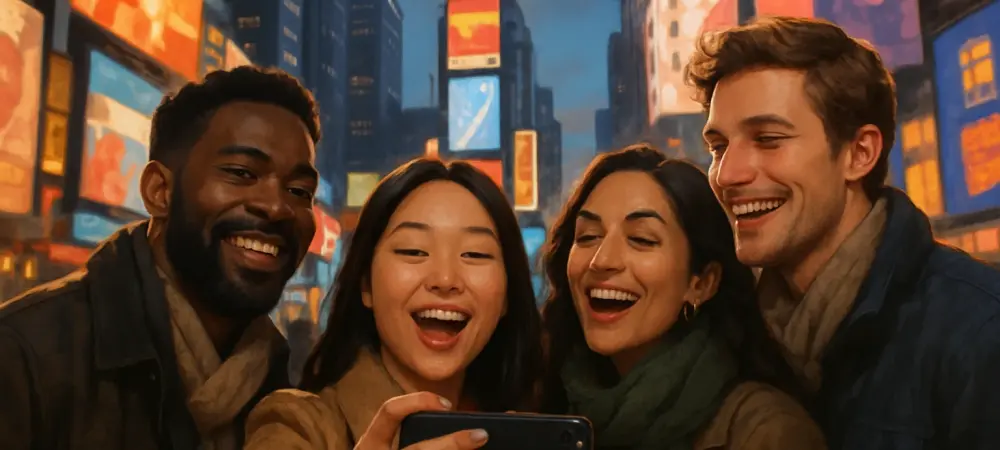
In an endless digital scroll where brand messages blur into a single, monotonous hum, consumers have developed a sophisticated filter for generic advertising, craving relevance over mere promotion. This shift has given rise to cultural moment marketing, a powerful strategy designed to cut through the noise by connecting with audiences through timely, shared experiences that matter to them. By aligning with the cultural zeitgeist, brands can transform from advertisers into participants in a broader conversation. This analysis will define this accelerating trend, illustrate its growth, provide five actionable ideas for January 2026, and explore its future trajectory in an increasingly dynamic marketplace.
The Anatomy of a Modern Marketing Trend
Cultural moment marketing is more than just a seasonal campaign; it is a strategic approach that taps into the collective consciousness. It involves identifying and leveraging events, milestones, and conversations that are already occupying the minds of a target audience. This allows brands to integrate their message into existing narratives, making their content feel organic and welcome rather than intrusive. The core principle is to add value to the consumer’s experience of a moment, whether it is a national holiday, a niche anniversary, or an emerging social trend.
The effectiveness of this approach stems from its ability to create an emotional connection. When a brand acknowledges a moment that is significant to its audience, it demonstrates an understanding of their world beyond the transactional relationship. This builds a sense of community and shared identity, fostering loyalty that traditional advertising struggles to achieve. Consequently, marketing teams are evolving from long-term planners of evergreen content to agile responders, capable of identifying and acting upon cultural opportunities in real time.
By the Numbers The Growth of Timely Engagement
The pivot toward culturally relevant content is substantiated by compelling data. A recent report from the Digital Marketing Institute found that campaigns linked to specific cultural moments see a 45% higher engagement rate on social media platforms compared to standard evergreen content. This surge in interaction—likes, shares, and comments—translates directly into greater brand visibility and organic reach, demonstrating that consumers are more likely to amplify messages that resonate with their immediate interests and experiences.
Moreover, this strategy delivers a tangible return on investment. According to a 2024 study by the Ecommerce Alliance, 68% of top-performing online retailers now have a dedicated strategy for micro-holiday and anniversary marketing, a significant jump from just 22% a few years prior. The study revealed that these targeted campaigns yield a higher ROI by capturing consumer attention at peak relevance, driving both traffic and sales more efficiently than broad, year-round promotional efforts. This widespread adoption signals a fundamental shift from a niche tactic to a mainstream competitive necessity.
January 2026 in Action Five Ideas for Impactful Content
As January 2026 approaches, marketers have a unique opportunity to engage audiences beyond generic New Year’s resolutions. A major event will be America’s 250th Anniversary, or “sestercentennial,” a powerful moment for content centered on history and celebration. An apparel brand, for instance, could produce a video series exploring 250 years of American fashion. For food and beverage brands, National Bloody Mary Day on January 1 offers a timely hook, with content exploring the cocktail’s Parisian history or its role as a New Year’s recovery aid.
Further into the month, Wikipedia’s 25th Anniversary on January 15 provides a chance for lighthearted, shareable content. A pop-culture retailer could create a fun article highlighting humorous industry-related hoaxes from the site’s past. On January 29, National Puzzle Day offers a creative theme of bringing order to chaos, perfect for brands to publish branded puzzles or articles linking the concept to their products. Finally, a trust-building “Bill of Materials” moment allows a company to offer a transparent breakdown of a product’s components and craftsmanship, positioning itself as a knowledgeable and proud expert.
Voices from the Field Expert Perspectives on Cultural Relevance
Executing cultural moment marketing requires a delicate balance of timing and tone. As one leading marketing strategist notes, “Authenticity is the currency of cultural marketing. If a brand’s participation feels forced or opportunistic, consumers will see right through it. The goal is to join the conversation, not hijack it for commercial gain.” This sentiment underscores the importance of aligning with moments that genuinely fit a brand’s values and identity.
Data plays an essential role in identifying these opportunities before they become oversaturated. A data analyst specializing in consumer trends explains, “The key is to get ahead of the curve. By using social listening and predictive analytics, we can identify nascent trends and micro-moments before they peak, giving our clients a crucial first-mover advantage.” This proactive approach is what distinguishes successful campaigns from those that feel reactive and late. The impact is reinforced by a brand executive who implemented the strategy, stating, “Our campaign around a small, niche anniversary didn’t just boost short-term sales; it galvanized our community.” It created a dialogue that was far more valuable than any ad spend.
The Future Trajectory What’s Next for Moment Marketing
Looking ahead, the evolution of cultural moment marketing will be shaped significantly by technology and changing consumer expectations. The integration of AI and machine learning promises to enable hyper-personalization, allowing brands to move beyond broad cultural events and target niche moments relevant to highly specific audience segments. This could mean engaging a small community around the anniversary of a beloved indie film or a local historical event, creating deeper and more meaningful connections.
However, this proliferation of targeted marketing presents a significant challenge: “moment fatigue.” As more brands attempt to capitalize on every possible event, consumers may become overwhelmed and disengaged, leading to diminishing returns. To counter this, the trend is expected to shift from public, large-scale events toward more private, community-specific moments. Success will require a deeper, more ethnographic understanding of audiences, focusing on the shared values and inside jokes that define a subculture. This evolution demands that marketing teams become more agile, culturally attuned, and creatively nimble than ever before.
Final Thoughts Mastering the Marketing Calendar
The analysis demonstrated that cultural moment marketing has become a vital strategy for building relevance and trust in a crowded digital landscape. Its power was derived not from the size of the moment but from the authenticity of the brand’s participation. Success was ultimately measured by the ability to add genuine value to the consumer’s experience, transforming a simple calendar date into a meaningful point of connection.
It became clear that the most effective marketers were those who planned their content calendars strategically, looking beyond major holidays to tap into the unique cultural currents that resonated with their specific audiences. This forward-thinking approach allowed them to foster engagement and build lasting loyalty, proving that in modern marketing, timing and relevance were everything.