

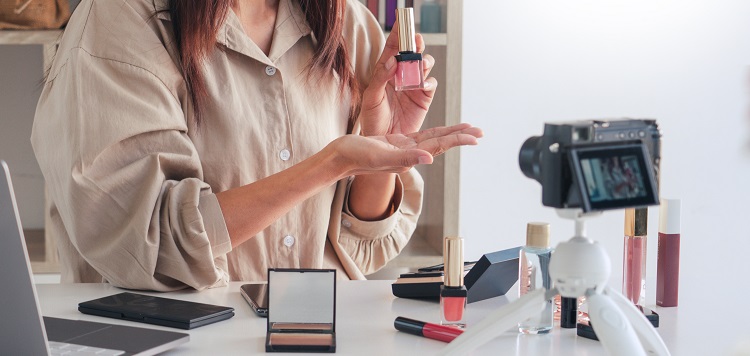
Celebrity influencer marketing has taken the advertising world by storm. From major corporations to small businesses, everyone seems to be jumping on the bandwagon, and why not? It’s a billion-dollar industry that can do wonders for your brand exposure and sales, provided it’s done right. In this article, we will discuss the benefits that celebrity endorsements can bring to small businesses, and provide some tips on how to make the most of them.
Overview of Celebrity Influencer Marketing
The growth of celebrity influencer marketing in recent years has been phenomenal. According to a study by Influencer Marketing Hub, the influencer marketing industry is set to reach a value of $13.8 billion by 2021, with a significant chunk of this owed to celebrity endorsements. The trend is increasingly easier to tap into for small businesses, thanks to social media, where even micro-influencers can be used to advertise products.
Benefits for Small Companies
Small businesses can benefit greatly from celebrity influencer marketing, much like larger brands. Influencer marketing feels more organic and authentic than traditional advertising, which can attract consumers to the brand. A survey by Morning Consult found that 49% of consumers aged 18-34 claim that they trust influencers more than traditional ads. This is because when consumers see a celebrity promoting your product, your brand becomes more credible and trustworthy. In addition, small companies can save money on advertising campaigns because celebrity endorsements can be cost-effective in the long term.
Importance of Celebrity Endorsements
The right celebrity can give your brand the exposure it needs to draw in large numbers of new customers. A celebrity endorsement can also work wonders when it comes to boosting sales. When a renowned person promotes a product, it’s almost always assumed that the product must be high quality and effective. Therefore, celebrity endorsement legitimizes the reputation of your brand as one worthy of investment.
Lessons from Celebrity Marketing Fails
Despite the power of celebrity marketing, success is not always guaranteed. Many businesses have made the mistake of aligning themselves with the wrong celebrities or using inappropriate marketing tactics. Two high profile examples are Fyre Festival and Pepsi, which were both criticized for their marketing strategies. Brands that don’t do their research can risk using an influencer who is a bad fit for the product, or a celebrity who has personal issues negatively affecting their image. Therefore, it is advised to exercise caution when investing in celebrity marketing to avoid a bad outcome as well as preventing your reputation from getting damaged.
Sending Products to Celebrities
One of the best ways to get your product into the hands of celebrities is to send it to them. When sending products, try to personalize the approach and tailor the pitch to the celebrity. Also, keep in mind that the product should be relevant to the celebrity’s niche or lifestyle. For example, a skincare product would be a good fit for a beauty influencer but not for an athlete. Provide clear instructions for product use, and explain the benefits clearly.
Choosing the Right Celebrities
Several factors need to be considered when choosing celebrities or influencers to work with. A key factor is their following and whether or not it is similar to your target audience. Working within your niche ensures that your product resonates with the influencer’s audience. Additionally, larger celebrities are not always better, and it is better to invest in someone with a small following but a more engaged audience who might be more likely to purchase.
Finding the Best Way to Contact Celebrities
With social media and the internet, reaching high-profile individuals might seem easier than ever. But finding the right way to contact them can be a challenge. Email is still one of the most reliable ways to reach out, but be sure to send follow-up messages and offers of incentives when necessary to increase your chances of hearing back. Professional websites like The Handbook that have the agent details of top celebrities and influencers can also greatly improve the success rate of getting a response.
Working with Talent Agencies
Another ideal way to work with celebrities and influencers is by enlisting the services of talent agencies. These agencies have established relationships and can provide valuable insights into the preferences of the celebrities they represent. Agencies can help articulate clear expectations and guidelines to ensure that both parties are aligned from the start, avoiding common downfalls such as lack of transparency and poor communication.
Noteworthy Successful Partnerships
Several successful partnerships have resulted in celebrity endorsements that are incredibly successful. Businesses like Starbucks, Nike, and Calvin Klein have worked with celebrities such as Selena Gomez, Colin Kaepernick, and Justin Bieber. By associating themselves with celebrities who have a large social media following, businesses can take advantage of an audience that is already enthusiastic about the celebrity who is promoting the product. Other notable examples include unexpected partnerships, such as the viral sensation of Retinol-V reality star Dr. Sandra Lee and country singer Dolly Parton, and her collaborations with major brands like Coca-Cola and Cracker Barrel.
In summary, the power of celebrity endorsements should not be underestimated by any business, particularly small businesses with limited resources. When executed correctly, celebrity influencer marketing can offer tremendous benefits, such as reaching a new audience, boosting the credibility of your brand, and ultimately growing your revenue. As trends continue to favor this type of marketing, small businesses that recognize the potential will find tremendous success in their endeavors. However, it would be best to approach influencer marketing with caution and to seek experienced advice on how best to engage with these popular personalities.