

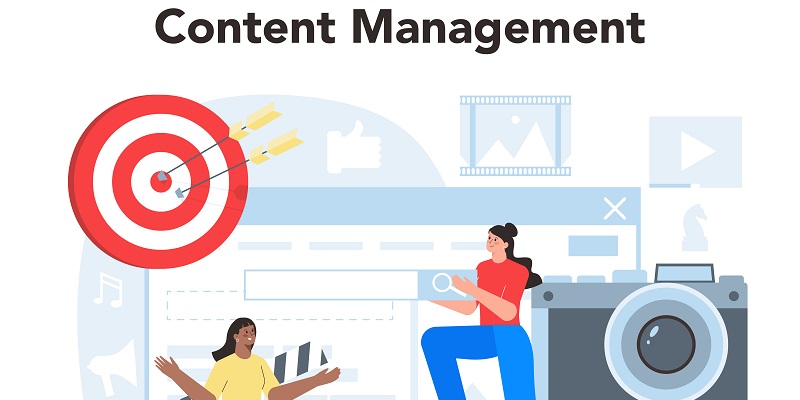
In a content-driven era, marketers continue to revolutionize themselves, creating a vibrant spectrum of stories that need to be told. Every day, content creators, social media managers, and industry professionals invest significant resources in generating unique, high-quality content to attract, engage, and inspire their target audience. However, as the volume of content grows exponentially, the challenge of managing these diverse assets effectively becomes increasingly critical.
The resources invested by content creators, social media managers, and industry professionals
Content creators, social media managers, and industry professionals pour their time, effort, and creativity into developing compelling content. They research, gather data, write, design, create visuals, and produce engaging videos to capture the attention of their audience. This requires a substantial investment of resources, including finances, manpower, and technology. From brainstorming ideas to executing them, the content creation process demands meticulous planning, creativity, and collaboration among various team members.
The challenge of effectively managing the growing volume of diverse content assets
As the digital landscape expands, the amount of content being produced and consumed increases exponentially. This poses a significant challenge for marketers who must effectively manage and organize their content assets. Without efficient systems in place, valuable content can easily get lost or remain unused. The accessibility and proper organization of these assets is crucial for content creators to maximize their efficiency and productivity.
There is a need to redefine content management processes with innovative solutions
To address the mounting challenges of content management, it is essential to redefine and streamline existing processes. By adopting innovative solutions, marketers can unify, streamline, and amplify their content management efforts. Traditional methods of managing content, such as relying on file folders or spreadsheets, are no longer sufficient to handle the growing volume and complexity of digital assets. It’s time to embrace advanced technologies and leverage digital asset management (DAM) solutions.
Highlighting the power and significance of content management
Don’t underestimate the power of content management. Effective management of creative assets can have a tremendous impact on a brand’s marketing campaigns. By organizing and controlling digital assets, marketers can save valuable time and resources. With streamlined processes, content creators can focus on producing high-quality content rather than wasting time searching for files or recreating assets. Moreover, efficient content management enables content creators to quickly repurpose and reuse assets, increasing the overall productivity and scalability of marketing efforts.
The importance of efficient asset management for content creators is evident in terms of saving time and resources
Content creators are constantly under pressure to produce high-quality content within tight deadlines. Efficient asset management plays a vital role in easing this burden and saving valuable time and resources. With a well-implemented DAM system, content creators can easily search and retrieve relevant assets, eliminating the need to recreate or duplicate content unnecessarily. This streamlined workflow allows them to allocate their time and energy towards producing impactful content rather than searching for files or dealing with version control issues.
The role of digital asset management (DAM) solutions in addressing content management challenges
Digital asset management (DAM) solutions offer a comprehensive approach to addressing the challenges of content management. These innovative systems provide a centralized hub for organizing, categorizing, and storing digital assets. With robust features like metadata tagging, version control, and custom search functionalities, DAM solutions enable content creators to quickly locate the assets they need, ensuring maximum efficiency and productivity.
Exploring the benefits of DAM systems: seamless organization, search, and retrieval of digital assets
DAM systems facilitate seamless organization, search, and retrieval of digital assets. With intelligent metadata tagging, content creators can easily classify, categorize, and describe their assets, making them highly searchable. This ensures that no valuable asset is lost or remains unused. Moreover, DAM solutions offer version control and collaboration tools, enabling teams to work together seamlessly on shared projects. Content creators can access the latest versions of assets, eliminate duplication, and effortlessly manage revisions, resulting in enhanced productivity and streamlined workflows.
The importance of choosing the right DAM provider to optimize content management processes is crucial
Choosing the right DAM provider is crucial for marketers looking to optimize their content management processes. A reliable and feature-rich DAM solution can significantly impact a brand’s content creation and management capabilities. It’s vital to assess the specific needs and requirements of your organization before selecting a DAM provider. Look for a provider that offers a user-friendly interface, robust search capabilities, scalability options, and reliable customer support. A well-chosen DAM provider can revolutionize your content management processes, enabling you to take your marketing campaigns to the next level.
In today’s content-driven landscape, effective content management is a game-changer for marketers. By investing in innovative solutions like DAM systems, content creators and marketers can enhance their efficiency, scalability, and overall success. Streamlined content management processes not only save valuable time and resources but also empower teams to focus on creating compelling content that resonates with their target audience. Embrace the power of content management and unlock your brand’s full potential in the ever-evolving digital marketing landscape.